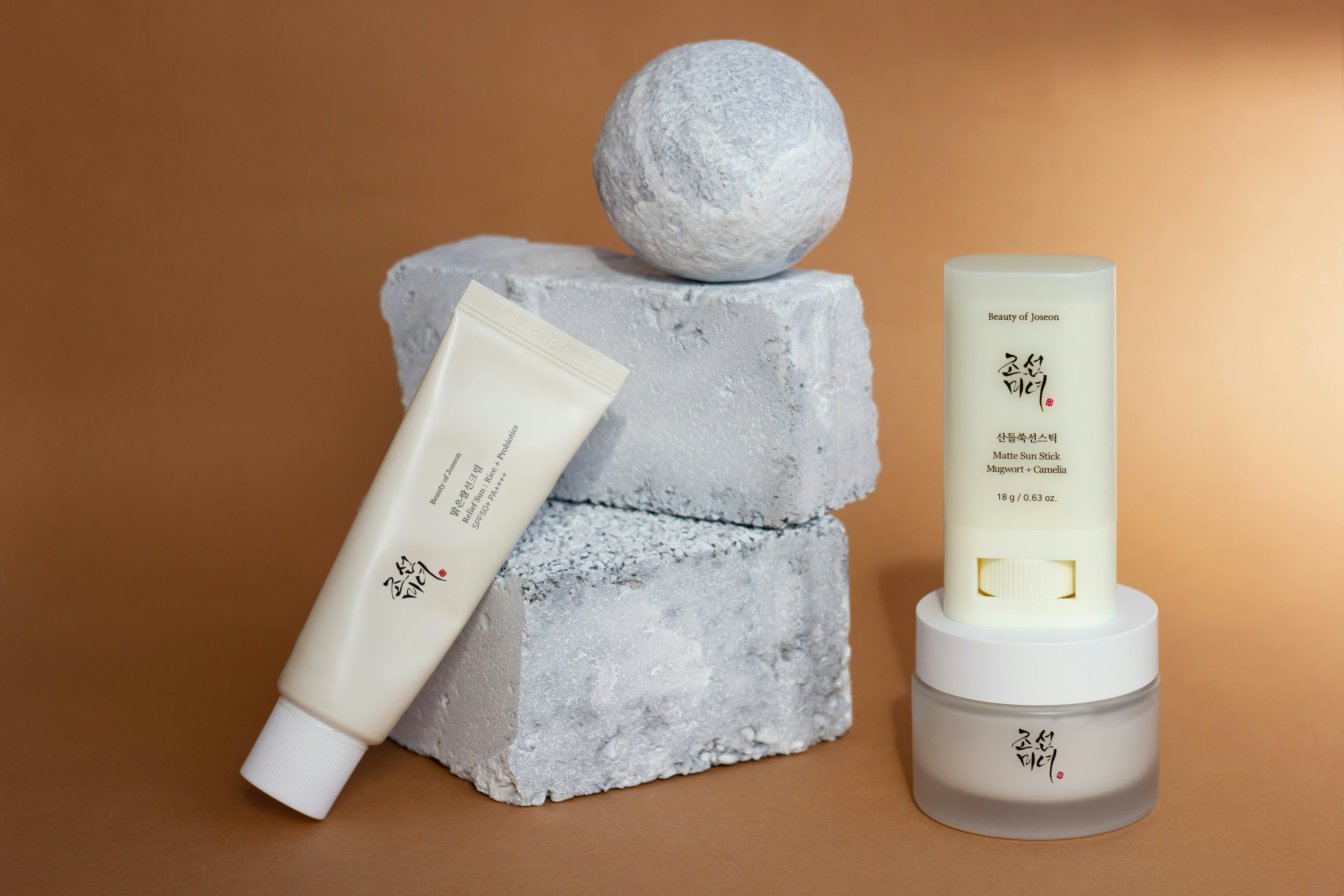
Les ecrans solaires coreens ont accompli quelque chose de remarquable : ils ont transforme l’etape la plus negligee des soins de la peau en quelque chose que les gens attendent avec impatience d’appliquer. Si vous avez toujours evite la creme solaire a cause de l’effet masque blanc, de la sensation grasse, ou de la facon dont elle peluche sous le maquillage, les ecrans solaires K-beauty sont sur le point de changer toute votre relation avec la protection solaire.
Le marche mondial de la creme solaire a ete tranquillement revolutionne par la technologie de formulation coreenne au cours de la derniere decennie. Alors que les ecrans solaires occidentaux ont ete contraints par des cadres reglementaires qui limitent les filtres UV disponibles, les fabricants coreens ont travaille avec une palette plus large de filtres avances — et les resultats parlent d’eux-memes. Des ecrans solaires qui ressemblent a des serums de luxe, qui se superposent impeccablement sous le maquillage, qui ne laissent aucune trace sur aucune carnation. Ce n’est pas du battage mediatique. C’est de la chimie.
Pourquoi les ecrans solaires coreens sont differents
La reponse courte : de meilleurs filtres UV. La reponse longue implique une divergence fascinante dans les approches reglementaires mondiales des ingredients de creme solaire.
Les formulations coreennes utilisent des filtres chimiques de nouvelle generation — notamment Tinosorb S, Tinosorb M, Uvinul A Plus et Uvinul T 150 — qui sont approuves en Asie et en Europe depuis des annees mais restent en cours d’examen par la FDA americaine. Ces filtres offrent une excellente protection a large spectre sans la texture lourde et crayeuse des filtres de generation precedente ni le residu blanc des alternatives minerales. Ils sont egalement plus photostables, ce qui signifie qu’ils ne se degradent pas aussi rapidement lorsqu’ils sont exposes au soleil — un facteur critique pour une protection tout au long de la journee.
Le resultat est une creme solaire qui ressemble davantage a un hydratant leger ou a un serum. Pas de masque blanc sur aucune carnation. Pas de residu gras. Pas de peluchage sous le maquillage. Pour la premiere fois, porter une creme solaire quotidiennement ne ressemble plus a une corvee.
Comprendre les etiquettes des ecrans solaires coreens
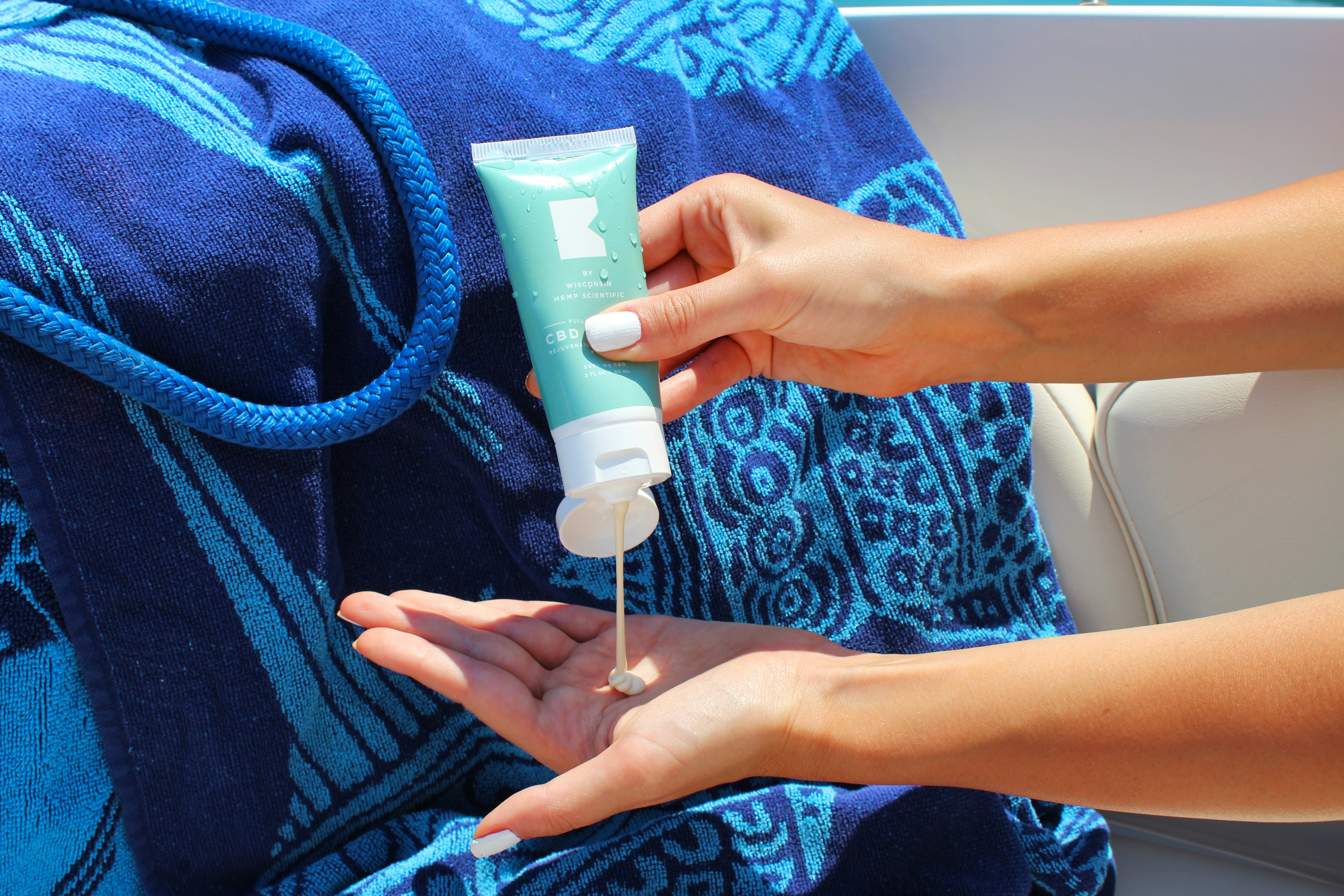
Si vous debutez avec les ecrans solaires coreens, l’etiquetage peut etre deroutant. Voici ce qui compte :
SPF et indice PA
Le SPF mesure la protection contre les rayons UVB (ceux qui causent les coups de soleil). Pour un usage quotidien, le SPF 30 bloque environ 97% des rayons UVB ; le SPF 50 bloque environ 98%. La difference est plus petite que ce que la plupart des gens pensent, et les deux sont adequats pour un port quotidien.
La ou les ecrans solaires coreens se differencient vraiment, c’est dans la protection UVA, mesuree par le systeme PA :
- PA+ — Protection UVA basique
- PA++ — Protection UVA moderee
- PA+++ — Protection UVA elevee
- PA++++ — Protection UVA extremement elevee (facteur de protection UVA de 16 ou plus)
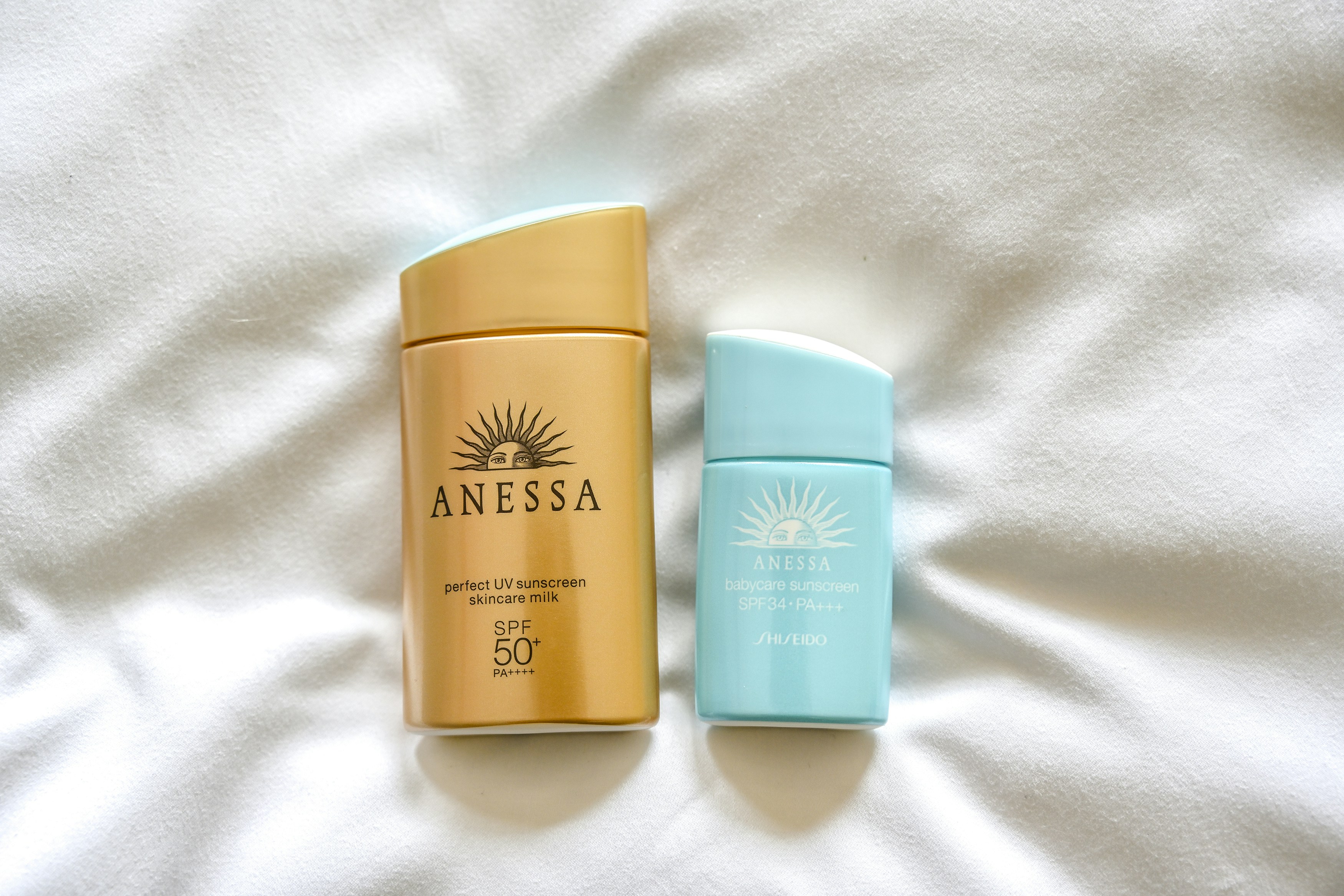
Les rayons UVA sont ceux qui causent le vieillissement premature, l’hyperpigmentation et les dommages cutanes plus profonds. Ils penetrent le verre et les nuages. Pour un usage quotidien, recherchez PA++++ — c’est la norme qui merite d’etre respectee.
Benefices cutanes integres
Les ecrans solaires coreens font souvent double emploi avec les soins de la peau, contenant des ingredients actifs qui traitent des preoccupations cutanees specifiques tout en protegeant :
- Niacinamide pour l’eclaircissement, le raffinement des pores et le renforcement de la barriere cutanee
- Centella asiatica (cica) pour apaiser les rougeurs et l’inflammation — ideal pour les peaux sensibles
- Acide hyaluronique pour une hydratation qui dure toute la journee
- Ceramides pour le soutien de la barriere et la retention d’hydratation
- Adenosine pour l’anti-age et la reduction des rides
- Extrait de the vert pour une protection antioxydante contre la pollution
- Panthenol pour apaiser et reparer
Types de texture
Les ecrans solaires coreens offrent une plus grande variete de textures que leurs homologues occidentaux. Comprendre les differences vous aide a choisir le bon pour votre type de peau :
-
Essence/Serum : Texture ultra-legere et aqueuse qui s’absorbe presque instantanement. Idéal pour les peaux grasses et mixtes, ou toute personne qui deteste la sensation de quelque chose sur son visage. Ce sont ceux qui convertissent les sceptiques de la creme solaire.
-
Creme : Une texture de lotion traditionnelle avec plus de proprietes hydratantes. Idéal pour les peaux normales a seches, ou comme creme solaire d’hiver pour tous les types de peau. Les formules en creme incluent souvent plus d’emollients et peuvent parfois remplacer entierement votre hydratant du matin.
-
Gel : Rafraichissant, a base d’eau. Les gels solaires sont excellents pour les climats humides et les peaux a tendance acneique. Ils s’absorbent rapidement et ne laissent aucun residu.
-
Stick : Format baume solide pour une reapplication pratique tout au long de la journee. Les sticks sont ideaux pour le sac a main, le sac de sport ou le kit de voyage. Ils fonctionnent particulierement bien par-dessus le maquillage.
-
Tone-up : Formulations legerement teintees qui offrent une couverture tres legere et des effets unifiants. Les cremes tone-up sont concues pour eclaircir le teint de maniere subtile — elles n’offrent pas la couverture d’un fond de teint, mais elles uniformisent les choses.
Application : comment utiliser correctement un ecran solaire coreen
Le meilleur ecran solaire du monde ne vous protegera pas si vous ne l’appliquez pas correctement. Voici le protocole :
Quantite : La recommandation standard est d’environ un quart de cuillere a cafe pour le visage et le cou combines. En termes pratiques, cela equivaut a deux longueurs de doigt de produit pressees sur votre index et votre majeur. La plupart des gens appliquent environ la moitie de ce dont ils ont besoin — ce qui signifie qu’ils obtiennent environ la moitie de la protection indiquee.
Quand : Comme derniere etape de votre routine de soins du matin, apres l’hydratant mais avant le maquillage. Si vous utilisez un ecran solaire coreen hydratant, il peut parfois remplacer votre hydratant — un raccourci utile pour les matins charges.
Technique : Tapotez et pressez plutot que de frotter. Frotter peut provoquer des peluches, surtout avec les formules contenant des silicones. Un tapotement doux repartit le produit uniformement et l’aide a s’absorber correctement.
Temps d’attente : Laissez poser environ 2 a 3 minutes avant d’appliquer le maquillage par-dessus. Cela empeche la creme solaire de se melanger a votre fond de teint et de diluer la protection.
Cou et oreilles : Ne les oubliez pas. Le cou et les oreilles sont parmi les sites les plus courants de cancer de la peau, et c’est egalement la ou les dommages solaires sont les plus visibles avec le temps. Etendez l’application jusqu’a votre poitrine si elle est exposee.
Reapplication : la partie que tout le monde saute
La protection solaire se degrade avec le temps — les filtres chimiques se decomposent avec l’exposition au soleil, et les barrieres physiques sont perturbees par la sueur, le sebum et le toucher. La regle generale est une reapplication toutes les deux heures d’exposition solaire continue.
Pour la reapplication par-dessus le maquillage, les sticks et cushions coreens changent la donne :
- Les sticks solaires glissent sur le maquillage sans le perturber. Tapotez doucement plutot que de frotter.
- Les cushions solaires (compacts avec applicateur houppette) deposent une couche fine et uniforme qui tient bien sur le fond de teint.
- Les sprays fixateurs avec SPF sont l’option la plus legere, bien qu’ils ne devraient pas etre votre seule methode de reapplication car il est difficile d’obtenir une couverture uniforme et adequate avec une brume seule.
Comment choisir le bon ecran solaire coreen
Pour les peaux grasses et a tendance acneique : Recherchez des textures legeres d’essence ou de gel avec de la niacinamide et du centella. Evitez les formules en creme etiquetees << hydratantes >> ou << riches >>.
Pour les peaux seches : Les textures creme avec de l’acide hyaluronique et des ceramides fourniront a la fois protection et hydratation. Vous pourrez peut-etre sauter l’hydratant.
Pour les peaux sensibles et reactives : Les formules minerales ou hybrides (minerales + chimiques) avec du centella, du panthenol et un minimum de parfum. Les gammes coreennes << cica >> ou << madecassoside >> sont concues specifiquement pour les peaux sensibles.
Pour les carnations plus foncees : Les formules chimiques et essence sont votre meilleur choix — elles ne laissent aucun masque blanc. Evitez les produits << tone-up >> sauf si vous voulez specifiquement l’effet eclaircissant.
Pour les activites de plein air : Des formules resistantes a l’eau existent sur le marche coreen, bien qu’elles soient moins courantes. Recherchez des produits specifiquement etiquetes pour le sport ou l’exterieur.
L’essentiel
Les ecrans solaires coreens ne sont pas une tendance — c’est une amelioration reelle de la technologie de protection solaire qui rend la protection quotidienne plus facile et plus agreable pour tout le monde. Si vous avez eu du mal a faire de la creme solaire une habitude constante, passer a une formule coreenne pourrait etre le changement le plus impactant que vous puissiez apporter a votre routine de soins. Le meilleur ecran solaire est celui que vous portez reellement tous les jours — et la K-beauty a rendu ce choix considerablement plus facile.