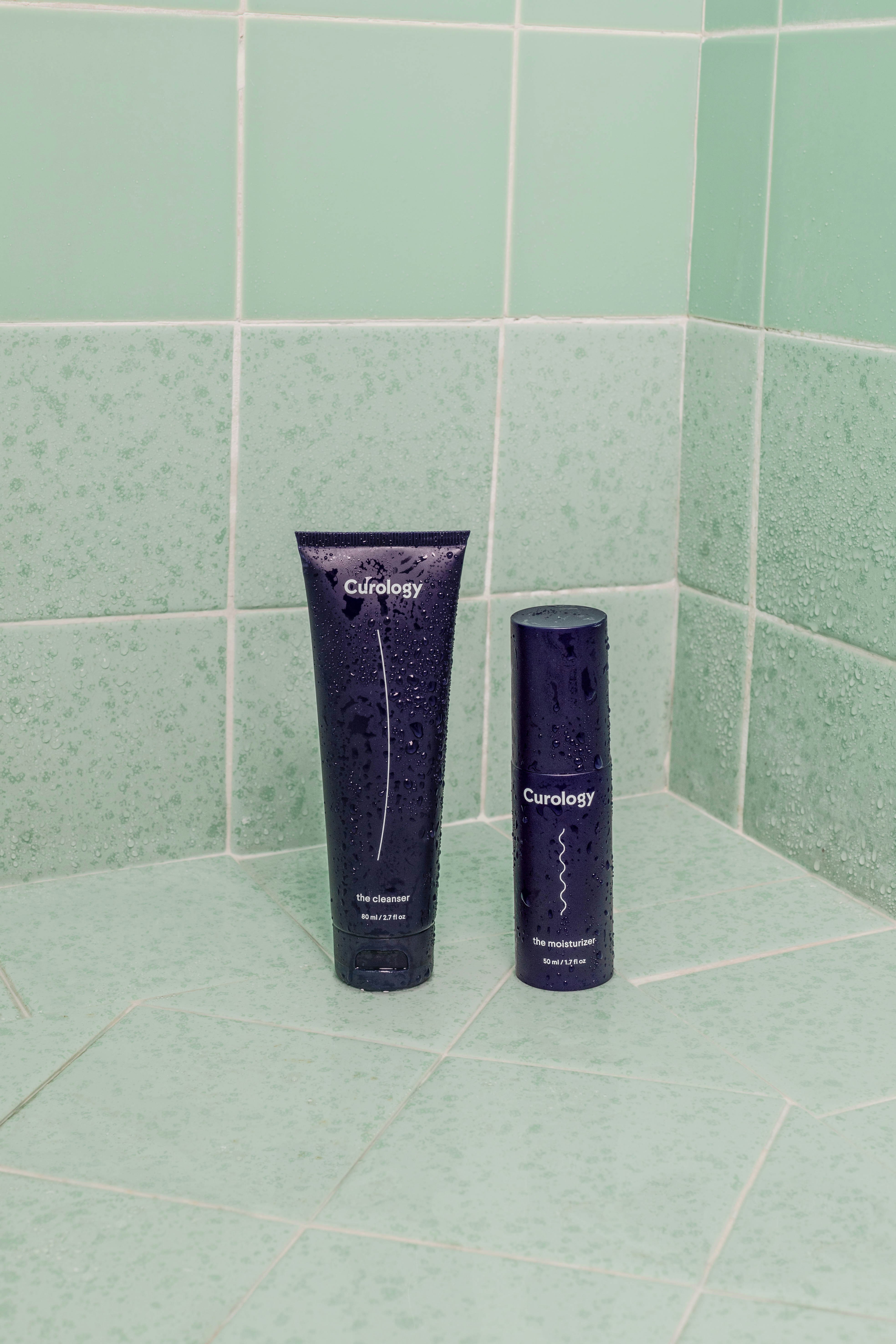
Entrez dans n’importe quel magasin de beaute et vous serez confronte a un eventail ecrasant de produits, chacun promettant de transformer votre peau. Serums, essences, ampoules, cremes, huiles, toniques, masques — les categories se multiplient sans fin, et le message sous-entend que vous avez besoin de toutes. Ce n’est pas le cas. En realite, l’erreur de soin la plus courante est d’utiliser trop de produits plutot que pas assez.
Ce qui suit est une approche des soins de la peau fondee sur la science et minimaliste. Pas de categories de produits dont vous n’avez pas besoin. Pas d’ingredients qui s’annulent mutuellement. Juste un cadre clair pour construire une routine qui repond aux besoins reels de votre peau.
Les trois piliers de toute routine de soins
Chaque routine de soins efficace — quel que soit le type de peau, l’age ou le budget — repose sur trois piliers non negociables :
1. Protection (matin) : Ecran solaire. Ce n’est pas optionnel. Les dommages UV representent environ 80% du vieillissement cutane visible. Tout le reste de votre routine est secondaire par rapport a la protection solaire. Si vous ne faites rien d’autre pour votre peau, portez un ecran solaire chaque jour.
2. Nettoyage (soir) : Eliminer l’accumulation de la journee — ecran solaire, maquillage, pollution et sebum. Il ne sert a rien d’appliquer des produits de traitement sur une peau sale — ils ne penetreront pas efficacement, et vous scellez essentiellement la salete de la journee.
3. Hydratation (matin et soir) : Maintenir la barriere cutanee, qui est la premiere ligne de defense de votre corps contre les dommages environnementaux, les bacteries et la perte d’hydratation. Une barriere saine signifie moins d’eruptions, moins de sensibilite et moins de vieillissement visible.
C’est tout. Protection le matin, nettoyage le soir et hydratation les deux fois. Chaque produit supplementaire est optionnel — utile uniquement s’il repond a une preoccupation specifique que vous avez identifiee.
La routine du matin : proteger
La routine du matin a un seul objectif : preparer votre peau pour la journee et la proteger des elements. Elle doit etre rapide, legere et axee sur la defense.
Etape 1 : Nettoyage (optionnel)
La plupart des gens n’ont pas besoin d’un nettoyage complet le matin — un peu d’eau tiede suffit. Pendant la nuit, votre peau a produit des huiles naturelles qui soutiennent votre fonction barriere ; les eliminer avec un nettoyant chaque matin peut en realite etre contre-productif. L’exception : si vous avez la peau tres grasse ou avez utilise des occlusifs lourds la nuit precedente, un nettoyant doux a base d’eau peut aider.
Etape 2 : Serum a la vitamine C (recommande)
La vitamine C (acide L-ascorbique) est l’antioxydant de reference pour la journee. Elle neutralise les radicaux libres generes par l’exposition aux UV et la pollution, stimule la production de collagene au fil du temps, et aide a prevenir et estomper l’hyperpigmentation. Elle renforce egalement l’efficacite de votre ecran solaire.
Ce qu’il faut rechercher : Acide L-ascorbique a une concentration de 10-20%, dans un emballage opaque et sans air. La vitamine C est notoirement instable — elle s’oxyde lorsqu’elle est exposee a la lumiere et a l’air, passant du transparent au jaune puis au brun. La vitamine C oxydee est inefficace et potentiellement irritante.
Etape 3 : Hydratant
Choisissez un hydratant selon votre type de peau : gel ou gel-creme pour peau grasse, creme pour peau seche, lotion legere pour peau mixte, formule minimaliste pour peau sensible.
Etape 4 : Ecran solaire
Comme explique precedemment — non negociable, SPF 30 minimum, PA+++
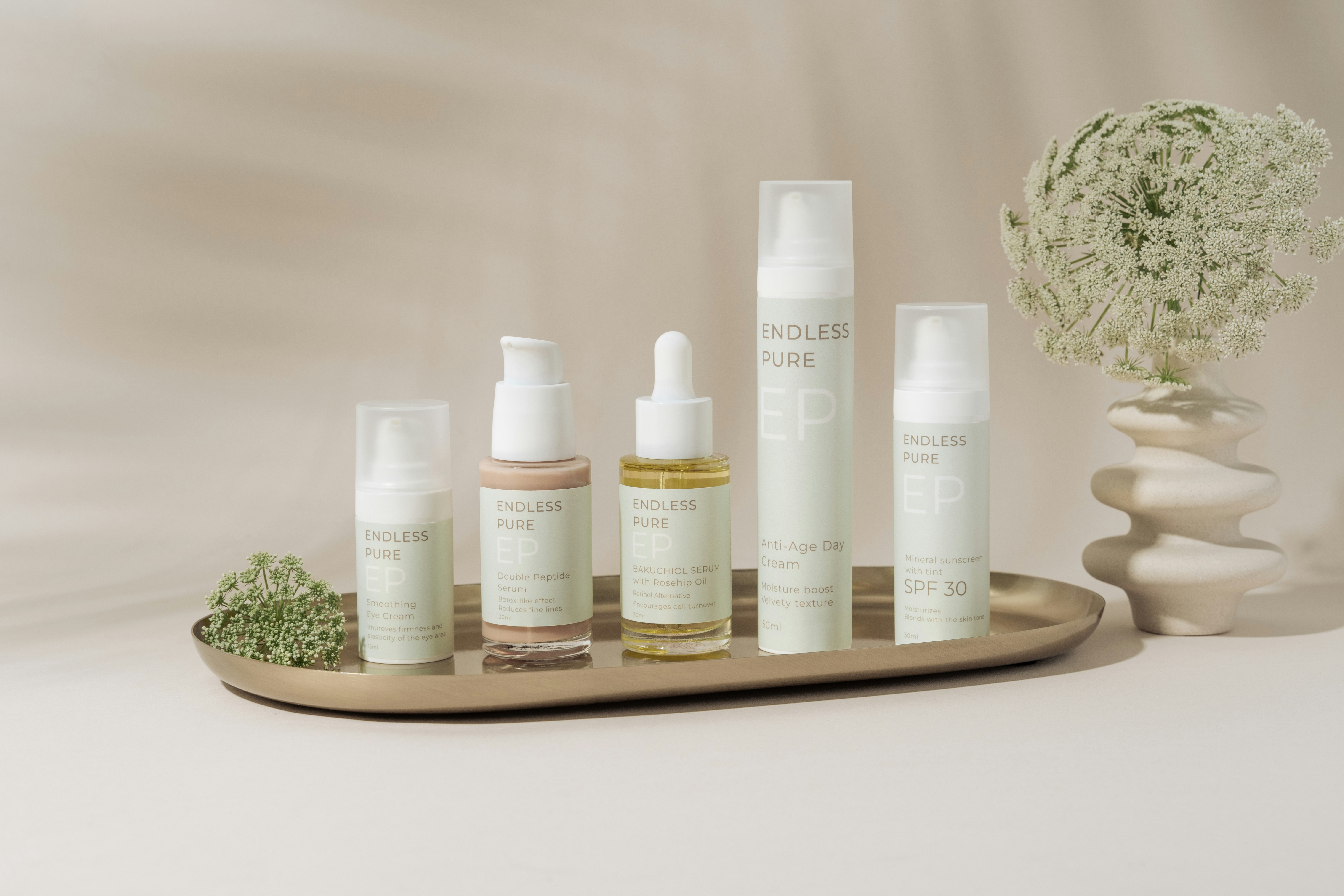
- si vous utilisez des ecrans solaires asiatiques. Appliquez genereusement.
La routine du soir : reparer
La routine du soir est la ou le traitement se produit. Pendant que vous dormez, les mecanismes de reparation de votre peau sont les plus actifs — la circulation sanguine augmente, le renouvellement cellulaire atteint son pic et la barriere est plus permeable aux ingredients actifs.
Etape 1 : Double nettoyage
Le premier nettoyage elimine le maquillage, l’ecran solaire et les huiles de surface. Le second nettoye reellement votre peau. Cette approche en deux etapes est l’une des innovations les plus significatives issues des soins coreens.
Premier nettoyage : Nettoyant a base d’huile ou baume. Massez sur peau seche, emulsionnez avec de l’eau, rincez abondamment.
Deuxieme nettoyage : Nettoyant a base d’eau adapte a votre type de peau. Moussant convient si la formule est douce et a pH equilibre (5,5-6,5).
Etape 2 : Traitements actifs (2-3 fois par semaine)
Retinoides : L’ingredient anti-age le plus soutenu par les preuves. Commencez avec une faible concentration deux fois par semaine et augmentez lentement au fil des mois.
Exfoliants chimiques (AHA, BHA, PHA) : Les AHA exfolient la surface, l’acide salicylique penetre les pores. Utilisez 1-2 fois par semaine, les soirs sans retinoide.
Niacinamide : Le multitache — reduit les pores, regule le sebum, renforce la barriere, estompe l’hyperpigmentation. Utilisable quotidiennement.
Peptides : Soutiennent la production de collagene. Moins puissants que les retinoides mais tres bien toleres.
Etape 3 : Hydratant
Votre hydratant du soir peut etre plus riche que celui du matin. C’est aussi le moment pour les ingredients occlusifs qui scellent les actifs.
Conflits d’ingredients a eviter
| A ne pas combiner | Pourquoi | Meilleure approche |
|---|---|---|
| Retinoides + AHA/BHA | Irritation excessive | Alternez les soirs |
| Retinoides + peroxyde de benzoyle | S’oxydent mutuellement | BP le matin, retinoide le soir |
| Vitamine C + AHA/BHA | pH bas destabilise la vitamine C | Vitamine C le matin, acides le soir |
| Plusieurs acides exfoliants | Sur-exfoliation | Choisissez-en un seul |
La regle d’un mois
Quand vous introduisez un nouvel ingredient actif, donnez-lui un mois complet avant d’ajouter autre chose. Le cycle de renouvellement de votre peau est d’environ 28 jours. La lenteur et la constance gagnent vraiment ici.
Les extras hebdomadaires
Masque a l’argile (une fois par semaine) : Pour les peaux grasses et a tendance congestionnee, un masque a l’argile aide a extraire l’exces de sebum et a reduire l’apparence des pores. A eviter si votre peau est seche ou sensible.
Masque hydratant ou masque en tissu (selon les besoins) : Pour les peaux deshydratees, avant un evenement special, ou simplement comme rituel de soin personnel. Les masques en tissu fournissent un boost d’hydratation par occlusion — le tissu empeche l’evaporation, forcant les ingredients a penetrer dans la peau.
Produits qui restent constants toute l’annee
Quelques categories devraient rester constantes independamment de la saison : ecran solaire (SPF 30+, toujours, chaque jour), serum vitamine C (votre antioxydant de jour, toute l’annee), nettoyant doux (vous pouvez changer de texture mais gardez un pH equilibre) et contour des yeux si vous en utilisez un.
La meilleure routine de soins n’est pas celle avec le plus d’etapes ou les produits les plus chers. C’est celle que vous pouvez maintenir avec constance, qui repond aux besoins reels de votre peau, et que vous avez plaisir a faire chaque matin et chaque soir.