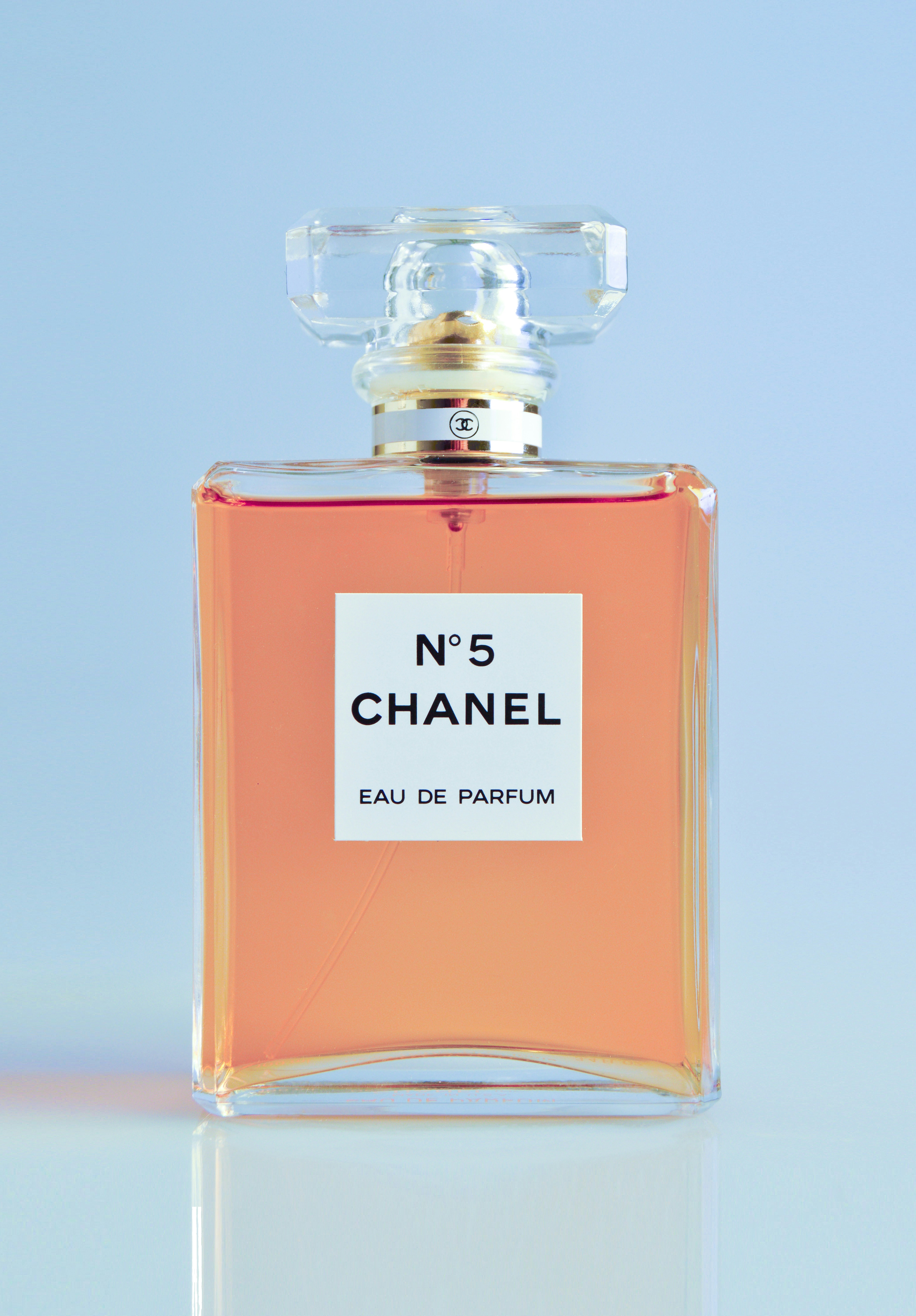
Le parfum est la categorie la plus personnelle de la beaute — et la plus intimidante a naviguer. C’est le seul produit de beaute qu’on ne peut ni voir, ni tester depuis un ecran, ni evaluer pleinement en cinq minutes. Un parfum qui sent divinement bon sur une touche peut devenir desagreable sur votre peau. Une fragrance que vous avez adoree en magasin peut vous donner mal a la tete apres une heure. Et le vocabulaire de la parfumerie — avec ses notes, accords et concentrations — peut sembler deliberement opaque.
Ce guide explique le parfum depuis la base : comment il est structure, ce que signifie la terminologie, comment l’acheter, et comment trouver un parfum qui vous ressemble vraiment.
Comment le parfum est structure
Un parfum est construit comme une pyramide, avec trois couches qui se revelent dans le temps :
Notes de tete (notes de depart) : La premiere impression. Ce sont des molecules legeres et volatiles qui s’evaporent rapidement — generalement en 5 a 15 minutes. Les agrumes (bergamote, citron, pamplemousse), les herbes legeres (lavande, basilic) et les aldehydes (petillant, propre, comme du champagne) sont des notes de tete courantes. C’est ce que vous sentez quand vous vaporisez d’abord un parfum, mais ce n’est pas ce qu’il sentira pendant la majeure partie de sa vie sur votre peau.
Notes de coeur (notes de milieu) : Le caractere du parfum. Elles emergent quand les notes de tete s’estompent et durent 2 a 4 heures. Les fleurs (rose, jasmin, iris, ylang-ylang), les epices (cannelle, cardamome, poivre noir) et les herbes (romarin, thym) sont des notes de coeur courantes. Quand quelqu’un vous serre dans ses bras et dit que vous sentez bon, il sent les notes de coeur.
Notes de fond : La fondation. Ce sont des molecules lourdes qui s’evaporent lentement et peuvent persister 6 a 12 heures ou plus. Les bois (santal, cedre, vetiver), les resines (encens, myrrhe), les muscs, la vanille, l’ambre et le patchouli sont des notes de fond courantes. La base est ce qui reste sur votre peau apres que tout le reste s’est estompe, et c’est la partie du parfum qui persiste sur les vetements et les echarpes.
Un parfum bien construit assure une transition fluide entre ces couches. Un parfum mal construit a une belle ouverture qui s’effondre en quelque chose de plat ou d’agressif apres 30 minutes.
Les familles de parfums
La plupart des parfums appartiennent a l’une de ces grandes familles. Comprendre vers quelles familles vous gravitez est la cle pour trouver des parfums que vous aimerez.
Agrumes : Frais, vif et energique. Citron, bergamote, pamplemousse, orange et mandarine dominent. Les agrumes sont legers et rafraichissants — ideaux pour le jour et les climats chauds. Ce sont les plus ephemeres, durant generalement 2-4 heures sur la peau. Exemple classique : Acqua di Parma Colonia.
Floral : La plus grande famille. Rose, jasmin, tubereuse, muguet, fleur d’oranger, iris et gardenia sont les principaux acteurs. Les parfums floraux vont du leger et rosée (une seule fleur) au riche et complexe (un bouquet). Si vous aimez l’odeur des fleurs fraiches, vous etes probablement une personne florale. Exemple classique : Dior J’adore.
Boisé : Chaud, sec et ancrant. Santal, cedre, vetiver, patchouli et oud forment l’epine dorsale. Souvent decrits comme elegants et sophistiques. Bien adaptes au soir et au temps frais. Exemple classique : Le Labo Santal 33.
Oriental (Ambre) : Riche, chaud et sensuel. Vanille, ambre, resines (encens, benjoin), epices (cannelle, girofle) et musc caracterisent cette famille. Les plus intenses et les plus durables. Exemple classique : Guerlain Shalimar.
Frais (Vert, Aquatique, Aromatique) : Propre, net et discret. Herbe fraichement coupee, feuilles vertes, air marin, pluie, the. Portables dans pratiquement tous les contextes. Exemple classique : Jo Malone Wood Sage and Sea Salt.
Chypre : Une structure specifique plutot qu’une note unique : notes de tete d’agrumes sur un coeur floral ou boise, ancre par la mousse de chene et le patchouli dans la base. Complexes, sophistiques. Exemple classique : Chanel No. 19.
Gourmand : Une sous-categorie de l’oriental qui sent specifiquement la nourriture — vanille, chocolat, caramel, cafe, amandes, miel. Aimés ou detestes. Exemple classique :
Concentrations : ce que signifient les etiquettes
Le meme parfum peut etre vendu dans differentes concentrations, ce qui affecte a la fois l’intensite de l’odeur et sa duree.
Eau Fraiche (1-3%) : La plus legere. Dure 1-2 heures. Eau de Cologne (2-5%) : Legere et rafraichissante, 2-3 heures. Eau de Toilette (5-15%) : La concentration quotidienne, 3-5 heures. Eau de Parfum (15-20%) : Le standard moderne, 5-8 heures. Parfum/Extrait (20-40%) : Le plus concentre et le plus cher, 8-12 heures.
Une concentration plus elevee ne signifie pas necessairement meilleur — cela signifie different. Un EDT peut etre parfait pour la journee d’ete la ou un EDP de la meme fragrance serait trop lourd. Le parfum se tient plus pres de la peau mais dure plus longtemps.
Comment acheter du parfum
N’achetez jamais sur touche papier. Testez sur votre poignet, pas le dos de votre main. Ne testez pas plus de trois a la fois. Testez dans differentes saisons. Achetez le plus petit flacon d’abord. Appliquez sur les points de pulsation (poignets, coudes interieurs, derriere les oreilles, base de la gorge). Ne frottez pas vos poignets l’un contre l’autre. La peau hydratee retient mieux le parfum. Le parfum doit etre decouvert, pas annonce. Une fragrance qui recoit des compliments quand on est proche de vous, c’est la bonne quantite.
Construire une garde-robe de parfums
Tout comme vous avez differents vetements pour differentes occasions, une petite garde-robe de parfums couvre differents contextes. Une signature quotidienne : legere, distinctive, assez legere pour la journee. Une fragrance de soiree : plus riche, plus intense, pour les diners et les evenements. Une fragrance d’ete : un agrume ou un aquatique rafraichissant. Trois parfums couvrent essentiellement tous les contextes. Plus de cinq et vous aurez des flacons que vous utilisez rarement.
Comment appliquer le parfum
L’objectif est de sentir bon pour quelqu’un proche de vous — pas pour tout le monde dans la piece. Appliquez sur les points de pulsation : poignets, coudes interieurs, derriere les oreilles, base de la gorge. Ces zones sont plus chaudes et aident le parfum a se developper. Ne frottez pas vos poignets l’un contre l’autre apres application — cela ecrase les molecules de parfum et perturbe le developpement. Ne vaporisez pas et ne traversez pas le nuage — cela gaspille la plupart du parfum dans l’air. La peau hydratee retient mieux le parfum — appliquez apres l’hydratant. Les vetements et les cheveux retiennent le parfum plus longtemps que la peau.
L’erreur la plus courante
En mettre trop. Le parfum projette plus que vous ne le pensez, et vous devenez insensible a votre propre odeur apres environ 30 minutes d’application. Si vous pouvez vous sentir fortement, tout le monde peut vous sentir de l’autre cote de la piece. Trouver un parfum signature vaut l’effort. L’odorat est le sens le plus fortement lie a la memoire — un parfum que vous portez regulierement deviendra, avec le temps, associe a vous dans l’esprit des personnes avec qui vous passez du temps.