
Peu de sujets en soins de la peau generent autant de confusion, de desaccord et de desinformation pure et simple que la creme solaire. La section des commentaires de tout article lie a la protection solaire est un champ de bataille d’affirmations contradictoires : les ecrans solaires chimiques causent le cancer, les ecrans mineraux ne fonctionnent pas, un SPF superieur a 30 est du gaspillage, vous devez en reappliquer toutes les deux heures meme a l’interieur, la carence en vitamine D est causee par l’utilisation de creme solaire. Beaucoup de ces affirmations contiennent un grain de verite qui a ete etire bien au-dela de ce que les preuves soutiennent.
Cet article examine les mythes les plus persistants a travers le prisme de la recherche evaluee par des pairs. Pas d’anecdotes, pas d’opinions d’influenceurs. Juste ce que les preuves publiees nous disent en 2026.
Mythe 1 : Vous n’avez pas besoin de creme solaire par temps nuageux ou a l’interieur
L’affirmation : Si vous ne voyez pas le soleil, vous n’avez pas besoin de protection.
Les preuves : Jusqu’a 80% du rayonnement UV penetre la couverture nuageuse. Les rayons UVA, qui sont principalement responsables du photovieillissement et contribuent au risque de cancer de la peau, penetrent egalement les vitres. Une etude de 2012 publiee dans le Journal of the American Academy of Dermatology a trouve significativement plus de photodommages sur le cote du visage expose a la fenetre chez des sujets, meme parmi ceux qui passaient la plupart de leur temps a l’interieur. Une etude de 2010 portant sur des chauffeurs routiers longue distance a trouve beaucoup plus de dommages solaires sur le cote gauche du visage (le cote fenetre) que sur le cote droit.
Le verdict : La creme solaire est appropriee chaque jour, quelles que soient les conditions meteorologiques ou le statut interieur. Cela ne signifie pas que vous devez reappliquer du SPF 50 toutes les deux heures en etant assis dans un bureau sans fenetres. Mais une application matinale d’un ecran solaire quotidien est une habitude sensee, pas de la paranoia.
Mythe 2 : Les indices SPF eleves ne sont que du marketing
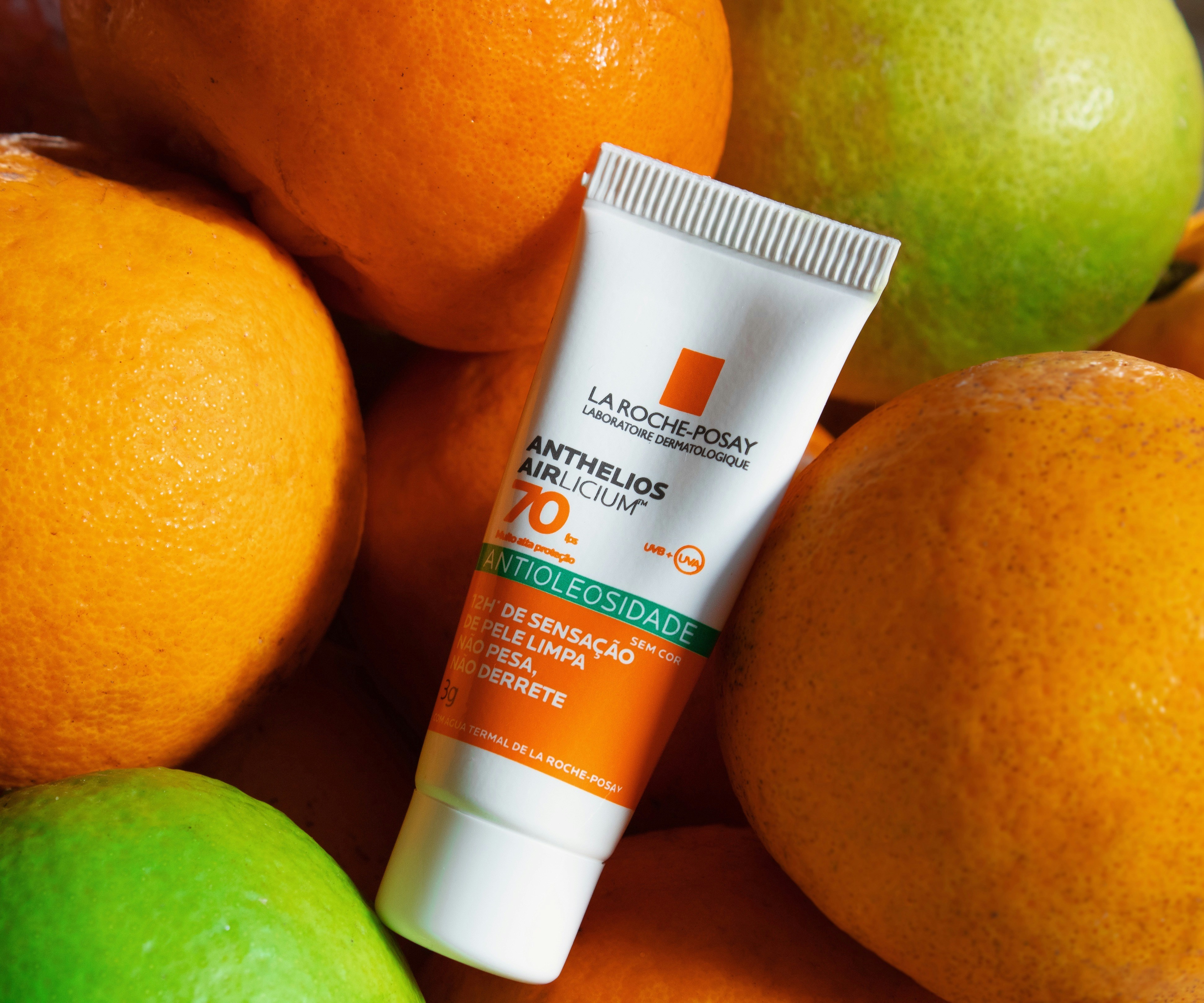
L’affirmation : Le SPF 30 bloque 97% des rayons UVB et le SPF 50 en bloque 98% — la difference est negligeable, donc tout ce qui depasse 30 est du gaspillage.
Les preuves : La comparaison 97% contre 98% est techniquement vraie en conditions de laboratoire, mais elle est trompeuse en pratique. L’application dans le monde reel est presque toujours inferieure aux 2 mg/cm2 utilises dans les tests de SPF. La plupart des gens appliquent environ la moitie de la quantite recommandee, ce qui reduit considerablement le SPF effectif. Un SPF indique plus eleve offre une marge de securite contre la sous-application. Une etude de 2018 dans le Journal of the American Academy of Dermatology a trouve qu’avec l’application typique du consommateur, un produit SPF 50 offrait significativement plus de protection qu’un produit SPF 30.
Le SPF ne mesure que la protection UVB. Le systeme de classification PA (PA+, PA++, PA+++, PA++++) est ce qui vous renseigne sur la protection UVA. Un SPF eleve avec une classification PA basse signifie que vous etes protege des coups de soleil mais pas du vieillissement.
Le verdict : Le SPF 30 est le minimum. Le SPF 50 offre une marge de securite significative compte tenu de la facon dont les gens appliquent reellement la creme solaire. Recherchez egalement PA++++ — cela indique le plus haut niveau de pro
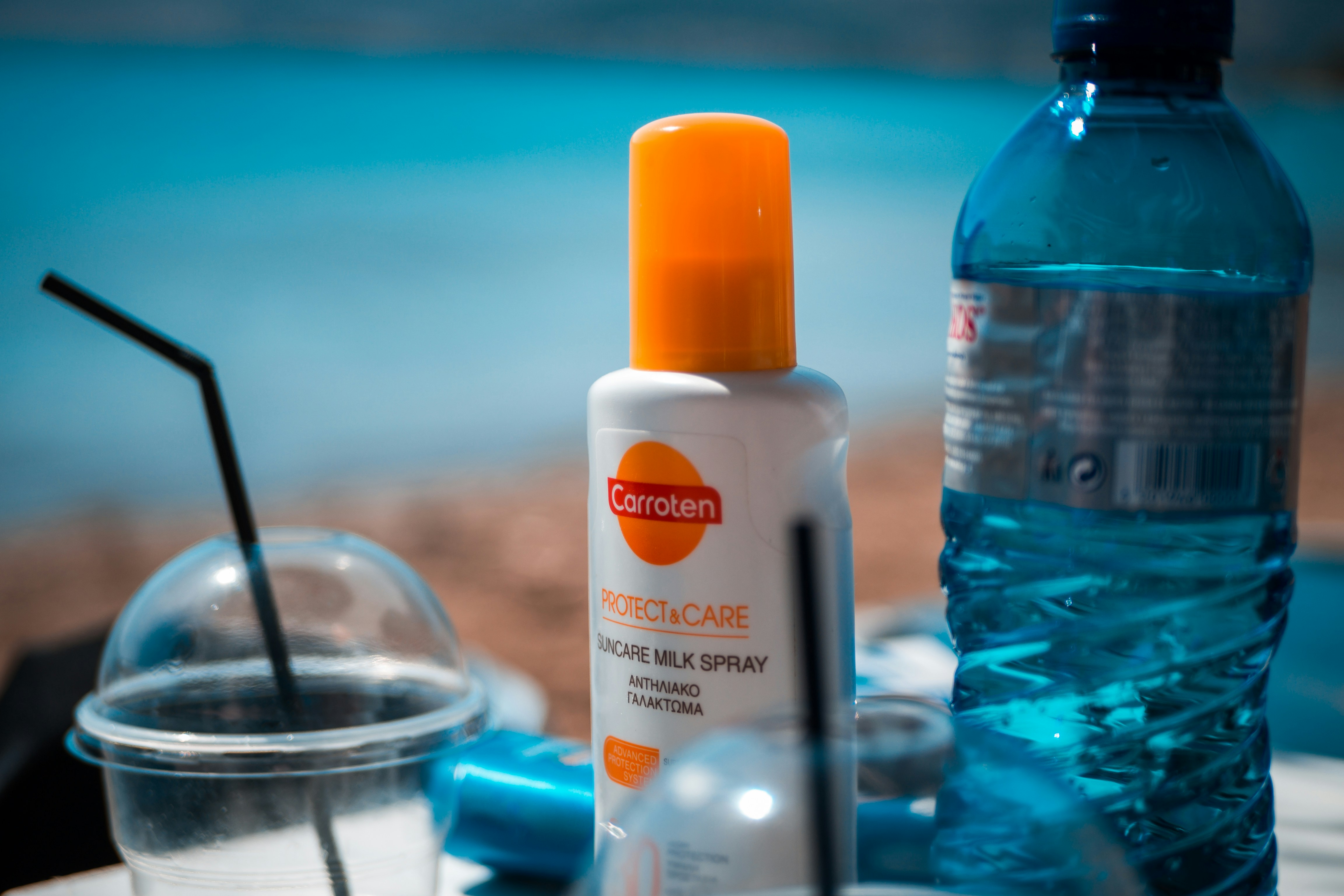
Mythe 3 : Les ecrans solaires chimiques sont dangereux et causent le cancer
L’affirmation : Les filtres UV chimiques sont absorbes dans la circulation sanguine et agissent comme des perturbateurs endocriniens, pouvant causer le cancer.
Les preuves : Cette affirmation provient d’une etude de la FDA de 2019 qui a trouve que quatre ingredients courants d’ecran solaire chimique (avobenzone, oxybenzone, octocrylene et ecamsule) etaient absorbes dans la circulation sanguine a des niveaux depassant le seuil de test de securite de la FDA. Il est important de noter que la FDA a explicitement declare que cette constatation << ne signifie pas que ces ingredients sont dangereux >> — elle signifie qu’ils necessitent des tests supplementaires, ce qui est en cours.
La preoccupation de perturbation endocrinienne concerne principalement l’oxybenzone, qui a montre une faible activite oestrogenique dans des etudes animales a des doses bien superieures a celles que produirait l’utilisation d’un ecran solaire. Une revue de 2020 dans l’International Journal of Dermatology a conclu que << le poids des preuves actuelles ne soutient pas un lien de causalite entre l’utilisation d’ecran solaire et les effets nefastes sur la sante humaine >>.
En revanche, les preuves liant le rayonnement UV au cancer de la peau sont accablantes et incontestees. Le cancer de la peau est le cancer le plus courant aux Etats-Unis, et l’exposition aux UV est la principale cause evitable.
Le verdict : Les preuves de nocivite des ecrans solaires chimiques sont theoriques et basees sur des etudes animales a des doses irrealistes. Les preuves de nocivite du rayonnement UV sont directes, humaines et accablantes. Si les filtres chimiques vous preoccupent, les ecrans solaires mineraux (oxyde de zinc et dioxyde de titane) sont d’excellentes alternatives avec des decennies de donnees de securite.
Mythe 4 : Vous ne pouvez pas obtenir assez de vitamine D si vous portez de la creme solaire
L’affirmation : La creme solaire bloque les rayons UVB necessaires a la synthese de la vitamine D, conduisant a une carence generalisee.
Les preuves : C’est le mythe le plus persistant avec un veritable fond de verite. Le rayonnement UVB declenche effectivement la production de vitamine D dans la peau, et la creme solaire reduit l’exposition aux UVB. Cependant, de nombreuses etudes ont trouve que l’utilisation typique de creme solaire ne cause pas de carence en vitamine D en pratique.
Une revue systematique de 2019 dans le British Journal of Dermatology a examine les preuves et conclu que << l’utilisation de creme solaire dans des conditions reelles ne compromet pas le statut en vitamine D >>. L’explication probable est que meme les utilisateurs les plus diligents ne l’appliquent pas parfaitement — de petites lacunes dans la couverture et une reapplication incomplete permettent une exposition aux UVB suffisante pour la synthese de vitamine D.
Pour ceux qui sont vraiment preoccupes par la vitamine D, la solution n’est pas de sauter la creme solaire — c’est de prendre un supplement. Les supplements de vitamine D sont peu couteux, efficaces et ne comportent aucun des risques de cancer de la peau lies a l’exposition intentionnelle aux UV.
Le verdict : Portez de la creme solaire. Si la vitamine D vous inquiete, prenez un supplement. Le calcul benefice-risque est sans equivoque.
Mythe 5 : Un bronzage de base vous protege des dommages du soleil
L’affirmation : Obtenir un bronzage de base avant des vacances au soleil empeche les coups de soleil et reduit les dommages cutanes.
Les preuves : Un bronzage est une preuve visible de dommages a l’ADN. Lorsque la peau est exposee aux UV, les melanocytes produisent de la melanine comme reponse protectrice a des dommages a l’ADN qui se sont deja produits. Un bronzage de base offre une protection equivalente a un SPF d’environ 2-4 — une protection negligeable par rapport au plus faible des ecrans solaires.
Le verdict : Un bronzage est un dommage a l’ADN visible a l’oeil nu. Il n’offre pratiquement aucune protection significative. Il n’existe pas de bronzage sur provenant d’une exposition aux UV.
Mythe 6 : Vous pouvez fabriquer votre propre creme solaire naturelle
L’affirmation : Les ecrans solaires faits maison a base d’huile de coco, de poudre d’oxyde de zinc et d’huiles essentielles sont des alternatives naturelles.
Les preuves : C’est une desinformation dangereuse. La formulation d’un ecran solaire efficace necessite une dispersion precise des filtres UV a des concentrations specifiques — c’est un defi de chimie pharmaceutique, pas un projet de cuisine. Une etude de 2019 dans le Journal of the American Academy of Dermatology a revele que les recettes maison sur les reseaux sociaux offraient une protection incoherente et inadequate, beaucoup ne fournissant essentiellement aucune protection UVA.
L’huile de coco a un SPF estime d’environ 4-8. La plupart des huiles essentielles n’offrent aucune protection UV. La poudre d’oxyde de zinc achetee en ligne peut ne pas avoir la bonne taille de particules pour la protection UV.
Le verdict : Ne fabriquez pas votre propre creme solaire. Le risque d’une protection inadequate — et les dommages cutanes irreversibles qui en resultent — depasse de loin tout benefice percu.
Le resultat pratique : utilisez un ecran solaire chaque jour. SPF 30 minimum, SPF 50 c’est mieux. PA++++ pour la protection UVA. Le type n’a pas autant d’importance que la constance. Ignorez les alarmistes.