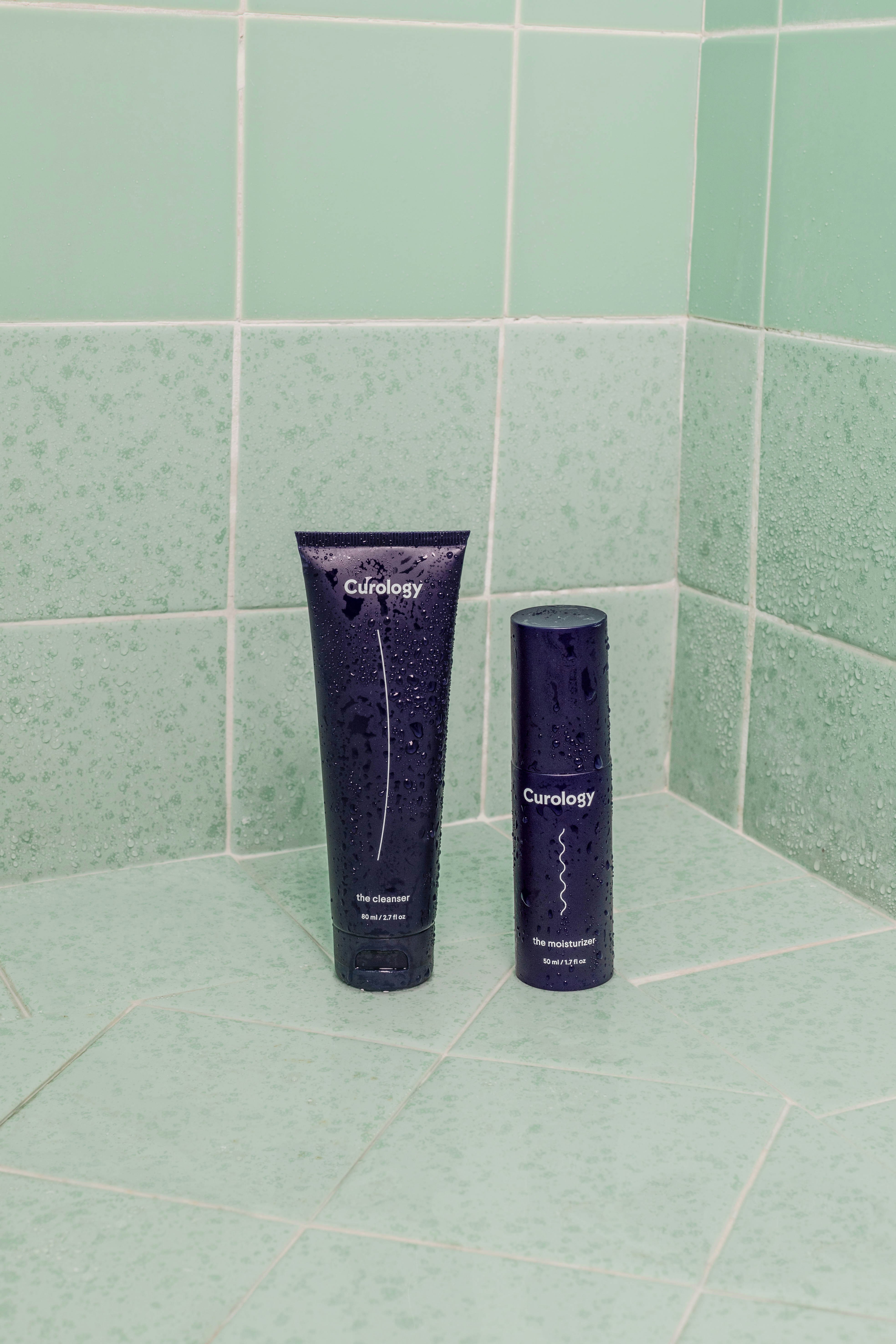
Le double nettoyage est la pratique de soin avec le ratio resultats/effort le plus disproportionne. Il prend environ deux minutes de plus qu’un nettoyage simple, coute peu a mettre en oeuvre, et change fondamentalement la facon dont votre peau reagit a chaque produit qui suit. Pour beaucoup de gens, passer d’un nettoyage simple a un double nettoyage est le changement le plus impactant qu’ils feront jamais dans leur routine de soins.
Pourtant, le double nettoyage est souvent mal compris — rejete comme inutile, trop complique ou reserve a ceux qui portent un maquillage lourd. Rien de tout cela n’est vrai. Voici ce qu’est reellement le double nettoyage, pourquoi il fonctionne et comment le faire correctement selon votre type de peau.
Ce que signifie vraiment le double nettoyage
Le double nettoyage est exactement ce que son nom indique : laver votre visage deux fois, en utilisant deux types de nettoyants differents en sequence. Le premier nettoyage est avec un nettoyant a base d’huile (huile demaquillante, baume ou lait) qui dissout les debris solubles dans l’huile : maquillage, ecran solaire, exces de sebum et particules de pollution. Le deuxieme nettoyage est avec un nettoyant a base d’eau (mousse, gel ou creme) qui elimine les debris solubles dans l’eau : sueur, salete et tout residu restant du premier nettoyage.
La raison pour laquelle cela fonctionne est la chimie de base : le semblable dissout le semblable. Les nettoyants a base d’huile dissolvent les substances a base d’huile sur votre peau que les nettoyants a base d’eau ne peuvent pas eliminer efficacement. Les ecrans solaires modernes et le maquillage longue tenue sont specifiquement formules pour resister a l’eau et a la sueur — ce qui signifie qu’ils resistent aussi aux nettoyants a base d’eau. Un seul nettoyage a l’eau laisse un residu significatif de ces produits sur votre peau. Un nettoyage a l’huile en premiere etape les dissout completement.
Pourquoi un seul nettoyage ne suffit pas
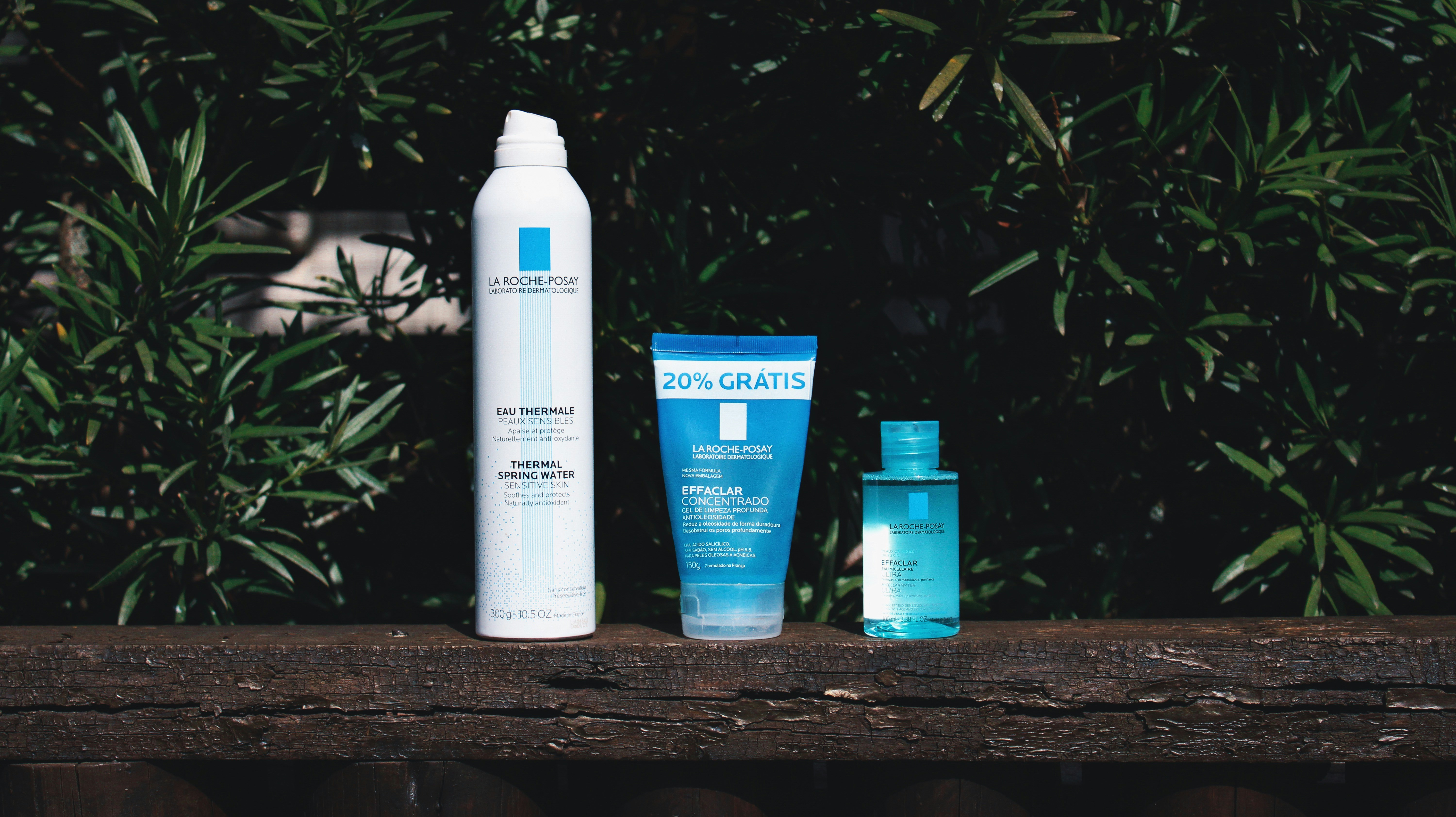
La recherche sur l’efficacite du nettoyage est eclairante. Une etude de 2016 publiee dans le Journal of Cosmetic Dermatology a compare le nettoyage simple au double nettoyage et a constate qu’un seul nettoyage a base d’eau eliminnait environ 65-70% des residus d’ecran solaire, tandis que la methode de double nettoyage en eliminnait plus de 95%. Ces 25-30% restants d’ecran solaire, melanges au sebum et aux polluants environnementaux, restent sur votre peau toute la nuit — potentiellement obstruant les pores, contribuant a l’inflammation et reduisant l’efficacite de vos produits de traitement.
C’est particulierement pertinent maintenant que l’utilisation quotidienne d’un ecran solaire est devenue la norme dans les communautes conscientes des soins de la peau. Les ecrans solaires modernes resistants a l’eau et chimiques sont concus pour former un film tenace sur la peau. Eliminer ce film efficacem

Qui devrait faire un double nettoyage
Toute personne qui porte un ecran solaire quotidiennement. C’est, ou cela devrait etre, pratiquement tout le monde. Si vous appliquez un ecran solaire chaque matin, vous devriez faire un double nettoyage chaque soir.
Toute personne qui porte du maquillage. Meme le maquillage leger — creme teintee, anti-cernes, poudre — forme une couche sur la peau qu’un seul nettoyage a l’eau elimine rarement completement.
Les personnes a la peau grasse ou a tendance acneique. Contre toute attente, le double nettoyage aide souvent les peaux grasses en eliminant soigneusement l’exces de sebum sans agresser la barriere cutanee. L’etape a l’huile peut egalement aider a dissoudre les filaments sebaces et reduire l’apparence des pores.
Les citadins exposes a une pollution elevee. Les particules de la circulation et de l’industrie adherent a la peau. Un nettoyage a l’huile est plus efficace pour eliminer ces polluants solubles dans l’huile.
Comment faire un double nettoyage
Etape 1 : Nettoyage a base d’huile (60-90 secondes)
Commencez avec des mains seches et un visage sec. L’eau cree une barriere immediate entre l’huile nettoyante et l’huile sur votre peau, reduisant l’efficacite. Massez doucement sur tout le visage, y compris le contour des yeux. Concentrez-vous sur les zones ou les produits s’accumulent : la racine des cheveux, les cotes du nez, le menton. Apres 60-90 secondes, ajoutez une petite quantite d’eau pour emulsifier l’huile (elle deviendra blanc laiteux), massez encore 10-15 secondes, puis rincez abondamment a l’eau tiede.
Etape 2 : Nettoyage a base d’eau (60 secondes)
Appliquez votre nettoyant a base d’eau sur peau humide. Massez doucement pendant environ 60 secondes. Rincez abondamment a l’eau tiede. Sechez en tapotant avec une serviette propre — ne frottez pas.
Le processus total prend environ deux a trois minutes — a peine plus longtemps qu’un nettoyage simple fait soigneusement.
Choisir les produits selon le type de peau
Nettoyants a base d’huile
Huiles nettoyantes (meilleures pour la plupart des types de peau) : Huiles liquides qui s’emulsionnent avec l’eau. Recherchez des huiles legeres comme le pepin de raisin, le tournesol ou le jojoba si vous etes sujet aux eruptions.
Baumes nettoyants (meilleurs pour les peaux seches ou matures) : Solides a temperature ambiante, fondant en huile au contact de la peau. Souvent plus nourrissants.
Laits nettoyants (meilleurs pour les peaux sensibles) : Texture plus legere et cremeuse, plus douce.
Nettoyants a base d’eau
Gel moussant (meilleur pour les peaux grasses et mixtes) : Recherchez des formules a pH equilibre (5,5-6,5).
Nettoyant creme (meilleur pour les peaux seches et sensibles) : Contient plus d’emollients, moins de tensioactifs.
Erreurs courantes
Sauter le nettoyage a l’huile parce qu’on a la peau grasse. Utiliser de l’eau avant le nettoyage a l’huile. Se precipiter. Utiliser un deuxieme nettoyant trop agressif. Faire un double nettoyage le matin — inutile et potentiellement irritant.
Ce a quoi s’attendre
Quand vous commencez le double nettoyage, vous remarquerez peut-etre des changements immediats : une peau qui semble vraiment propre mais pas agressee, moins d’eruptions apres quelques semaines, et une meilleure absorption de vos produits de traitement. Vous pourriez egalement connaitre une breve << purge >> pendant que les pores congestionnes se liberent enfin — cela devrait se resoudre en deux a trois semaines.
Le retour le plus frequent des personnes qui adoptent le double nettoyage est la surprise de decouvrir combien de residus leur routine precedente laissait derriere elle. Cette seule observation — << je n’avais aucune idee que ma peau n’etait pas vraiment propre >> — est le meilleur argument pour essayer.
Le double nettoyage n’est ni une tendance ni un gadget. C’est une approche simple, fondee sur la chimie, de l’etape la plus fondamentale des soins de la peau. Pour le cout d’un produit supplementaire et deux minutes de plus par soir, il ameliore sensiblement la fondation sur laquelle chaque autre produit de votre routine depend.