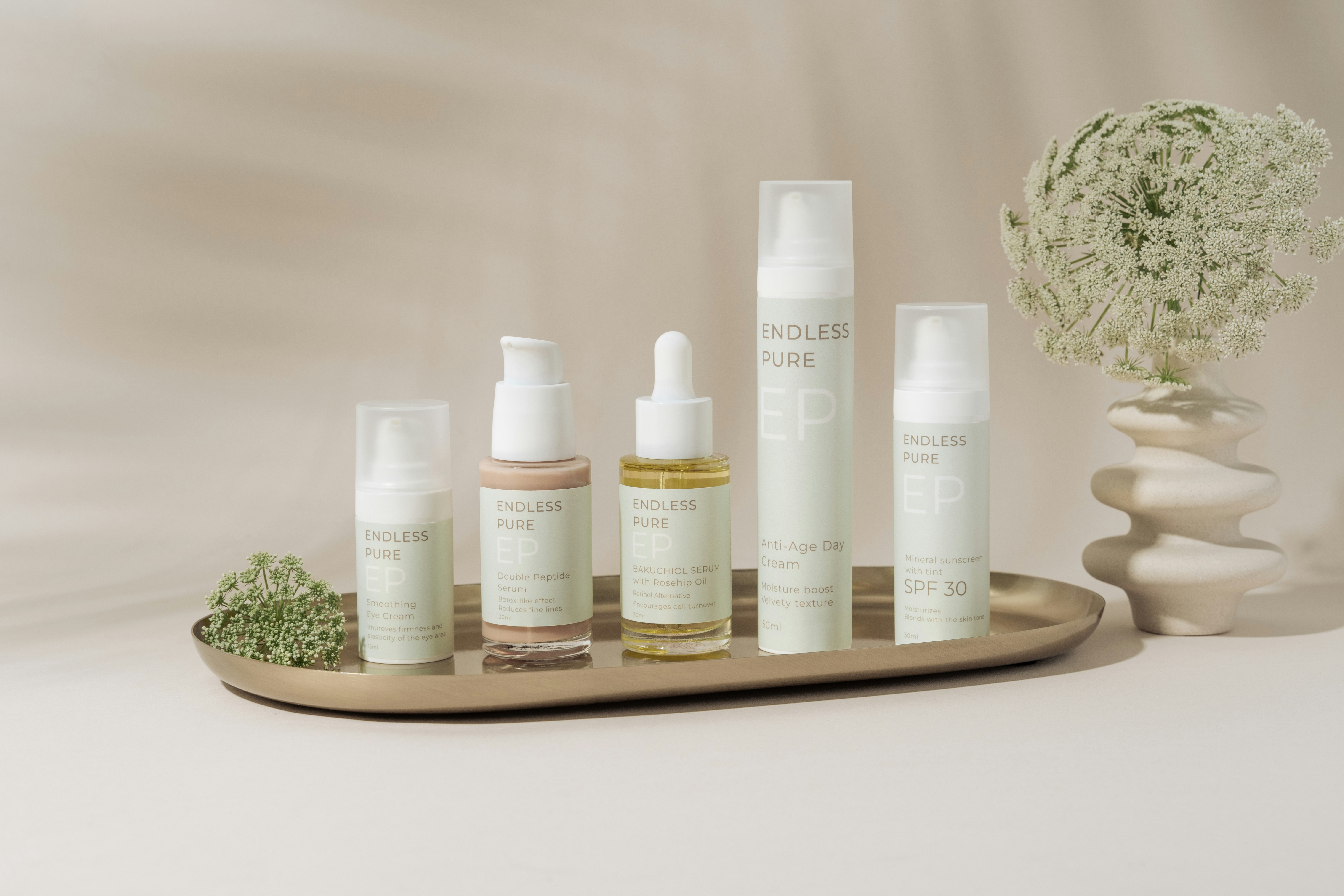
L’industrie moderne des soins de la peau veut vous faire croire que vous avez besoin d’une routine de 10 etapes. Matin et soir, une procession de produits — nettoyant, tonique, essence, serum, ampoule, contour des yeux, hydratant, huile pour le visage, masque de nuit — chacun promettant de traiter une preoccupation specifique. La routine coreenne de 10 etapes, autrefois une curiosite culturelle, a ete absorbee par la machine mondiale du marketing des soins de la peau et instrumentalisee pour vendre plus de produits.
Les preuves, cependant, soutiennent une approche beaucoup plus simple. Trois a cinq produits, choisis pour vos preoccupations cutanees specifiques et utilises avec constance, produisent des resultats indiscernables de ceux des routines elaborees en plusieurs etapes pour la grande majorite des gens. Voici comment construire une routine minimaliste qui fonctionne reellement.
La fondation en trois piliers
Chaque routine de soins efficace repose sur trois piliers non negociables. Tout le reste est optionnel.
1. Nettoyer (soir) : Eliminer l’accumulation de la journee — ecran solaire, maquillage, sebum et debris environnementaux. Une peau sale ne peut pas absorber les traitements efficacement, et laisser l’ecran solaire toute la nuit contribue aux pores obstrus et a l’inflammation. Le double nettoyage — un nettoyant a base d’huile suivi d’un nettoyant a base d’eau — est l’approche la plus efficace.
2. Hydrater (matin et soir) : Soutenir la barriere cutanee, qui est la premiere ligne de defense de votre corps contre les dommages environnementaux, les bacteries et la perte d’hydratation. Meme les peaux grasses ont besoin d’hydratation — la sauter peut declencher une production accrue de sebum alors que la peau tente de compenser.
3. Proteger (matin) : Ecran solaire. Chaque jour. SPF 30 minimum, SPF 50 idealement. Les dommages UV representent environ 80% du vieillissement cutane visible. Tout le reste en soins de la peau est secondaire par rapport a la protection solaire.
C’est tout. Nettoyer, hydrater, proteger. Si vous ne faites rien d’autre pour votre peau, faites ces trois choses avec constance. Vous aurez une meilleure peau que la plupart des gens avec des routines elaborees qui sautent la creme solaire.
Les ajouts optionnels
Une fois la fondation en place, vous pouvez ajouter des traitements cibles pour des preoccupations specifiques. Un ou deux ajouts suffisent generalement.
Pour l’anti-age et la texture : Un retinoide (retinol, retinaldehyde ou tretinoine sur ordonnance) utilise le soir. C’est l’ingredient anti-age le plus documente. Commencez avec une faible concentration deux fois par semaine et augmentez progressivement.
Pour l’hyperpigmentation et l’eclat : Serum a la vitamine C le matin, sous l’ecran solaire. L’acide L-ascorbique a 10-20% est la reference.
Pour l’acne : Acide salicylique (BHA) 2-3 fois par semaine, ou adapalene (Differin) qui est a la fois un traitement de l’acne et un retinoide doux.
Pour un boost d’hydratation : Un serum a l’acide hyalu
Les modeles de routine
Minimum absolu (2 produits) : Matin : ecran solaire (une formule hydratante peut remplacer l’hydratant). Soir : nettoyant + hydratant.
Basique efficace (3-4 produits) : Matin : rincer a l’eau, hydratant, ecran solaire. Soir : double nettoyage, traitement (retinoide 2-3x/semaine), hydratant.
Minimaliste complet (5 produits) : Matin : serum vitamine C, hydratant, ecran solaire. Soir : double nettoyage, retinoide (2-3x/semaine), hydratant.
Ce dernier modele couvre les quatre categories d’actifs soutenues par les preuves : protection (ecran solaire), prevention (antioxydant vitamine C), traitement (retinoide) et soutien (hydratant). C’est ce que la plupart des dermatologues recommandent a leurs patients.
La constance sur la complexite
Une routine minimaliste utilisee avec constance pendant six mois produit de meilleurs resultats qu’une routine complexe utilisee de facon sporadique. La meilleure routine de soins est celle que vous ferez reellement chaque matin et chaque soir. Pour la plupart des gens, cela signifie la garder simple.