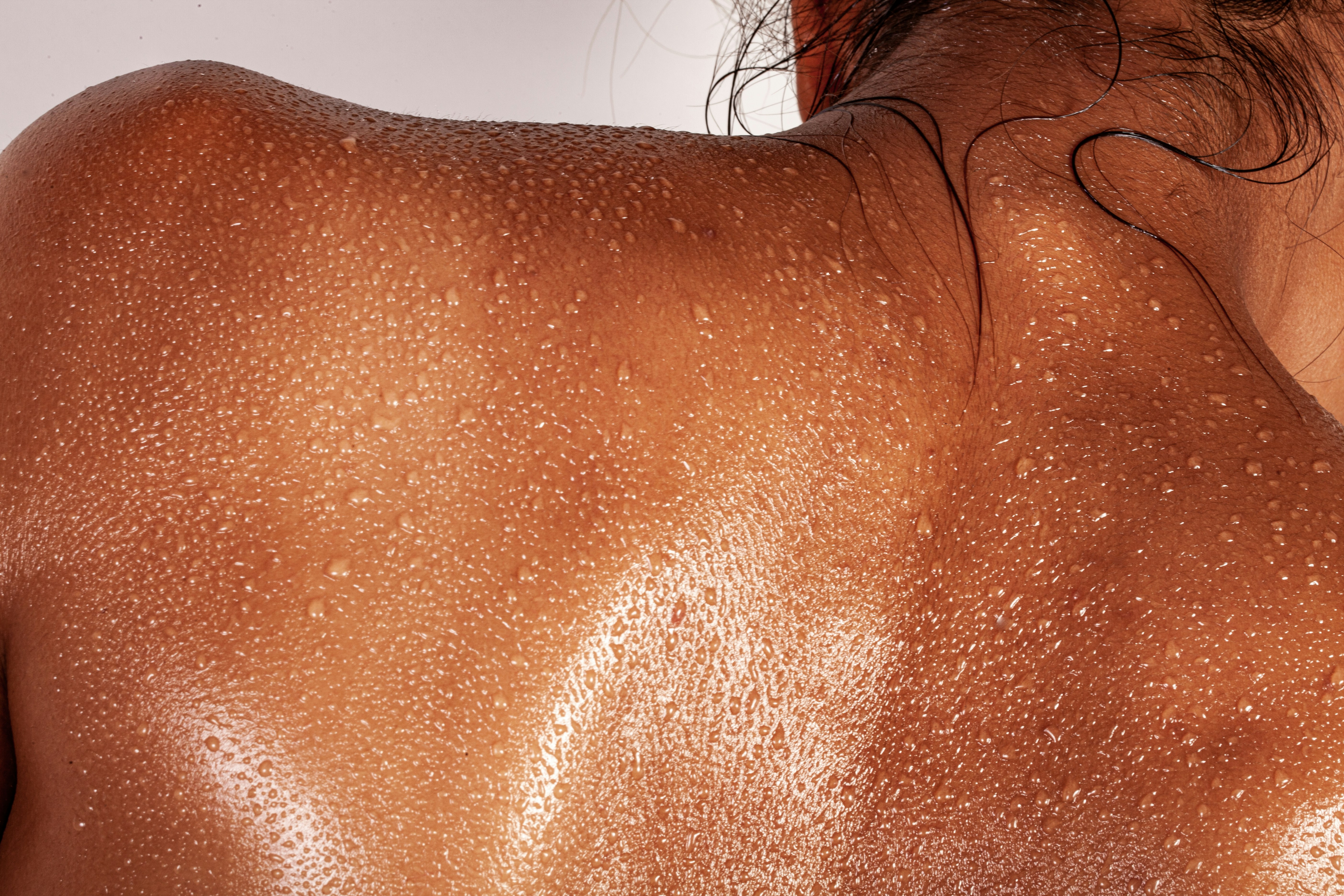
La culture des soins de la peau a une frontiere implicite : tout ce qui est au-dessus du cou recoit des serums, des traitements et du SPF 50 ; tout ce qui est en dessous recoit la creme pour le corps qui etait en promotion. Cette disparite n’a aucun sens dermatologique. La peau de votre corps est le meme organe que la peau de votre visage, soumise aux memes processus de vieillissement, de dommages solaires et de deshydratation. Elle est juste couverte de vetements la plupart du temps.
Une routine de soin corporel de base prend cinq minutes supplementaires sous la douche et coute tres peu. Les benefices — une peau plus lisse, moins de poils incarnes, moins de secheresse et un vieillissement plus sain — sont disproportionnes par rapport a l’investissement.
Les fondamentaux
Nettoyage
L’erreur la plus courante en matiere de soins corporels est d’utiliser des gels douche agressifs et decapants qui perturbent la barriere cutanee. De nombreux gels douche populaires contiennent du sodium lauryl sulfate (SLS), un detergent puissant qui elimine la salete mais aussi les huiles naturelles de la peau. Un gel douche plus doux avec des tensioactifs plus legers nettoie efficacement sans endommager la barriere.
L’eau chaude n’est pas votre amie. Les douches longues et chaudes sont merveilleuses mais depouillent la peau de ses huiles naturelles. L’eau tiede est plus douce, et limiter les douches a 10 minutes ou moins reduit la perte d’hydratation.
Exfoliation
La peau du corps se renouvelle plus lentement que celle du visage et peut accumuler des cellules mortes. Une exfoliation reguliere elimine cette accumulation, ameliore la texture et aide a prevenir les poils incarnes. Le brossage a sec avant la douche stimule la circulation et le drainage lymphatique. Les lotions corporelles contenant des AHA (acide glycolique, acide lactique) ou de l’uree offrent une exfoliation chimique douce sans le stress mecanique des gommages physiques.
Hydratation
L’hydratant est plus efficace applique sur peau humide — dans les trois minutes suivant la sortie de la douche. La peau humide absorbe l’hydratation plus facilement que la peau seche, et l’hydratant scelle l’eau deja presente a la surface de la peau. Recherchez des ceramides (soutien de la barriere), de l’uree ou de l’acide lactique (exfoliation douce), du beurre de karite ou du squalane (emollience et occlusion).
Protection solaire
Les zones les plus vulnerables aux dommages solaires et au cancer de la peau sont les parties du corps constamment exposees : visage, cou, poitrine, mains et bras. Le visage recoit de la creme solaire ; tout le reste souvent pas. Pourtant, les mains et la poitrine sont la ou les dommages solaires sont les plus visibles et les plus vieillissants. Le minimum : ecran solaire sur le visage, le cou et le dos des mains chaque jour. L’ideal : toute peau exposee recoit de la creme solaire.
Preoccupations specifiques

Keratose pilaire : Ces petites bosses rugueuses a l’arriere des bras sont genetiques mais peuvent etre considerablement ameliorees avec un traitement constant : lotion AHA ou uree quotidienne, exfoliation physique douce 1-2x par semaine.
Poils incarnes : La prevention est plus efficace que le traitement. Exfoliation douce 2-3x par semaine dans les zones sujettes aux poils incarnes. Hydratez quotidiennement. Rasez dans le sens du poil avec une lame propre et tranchante.
Talons secs et craqueles : Lime a pieds ou pierre ponce 1-2x par semaine, suivie d’une creme epaisse a l’uree. Pour les cas severes, appliquez la
La routine en cinq minutes
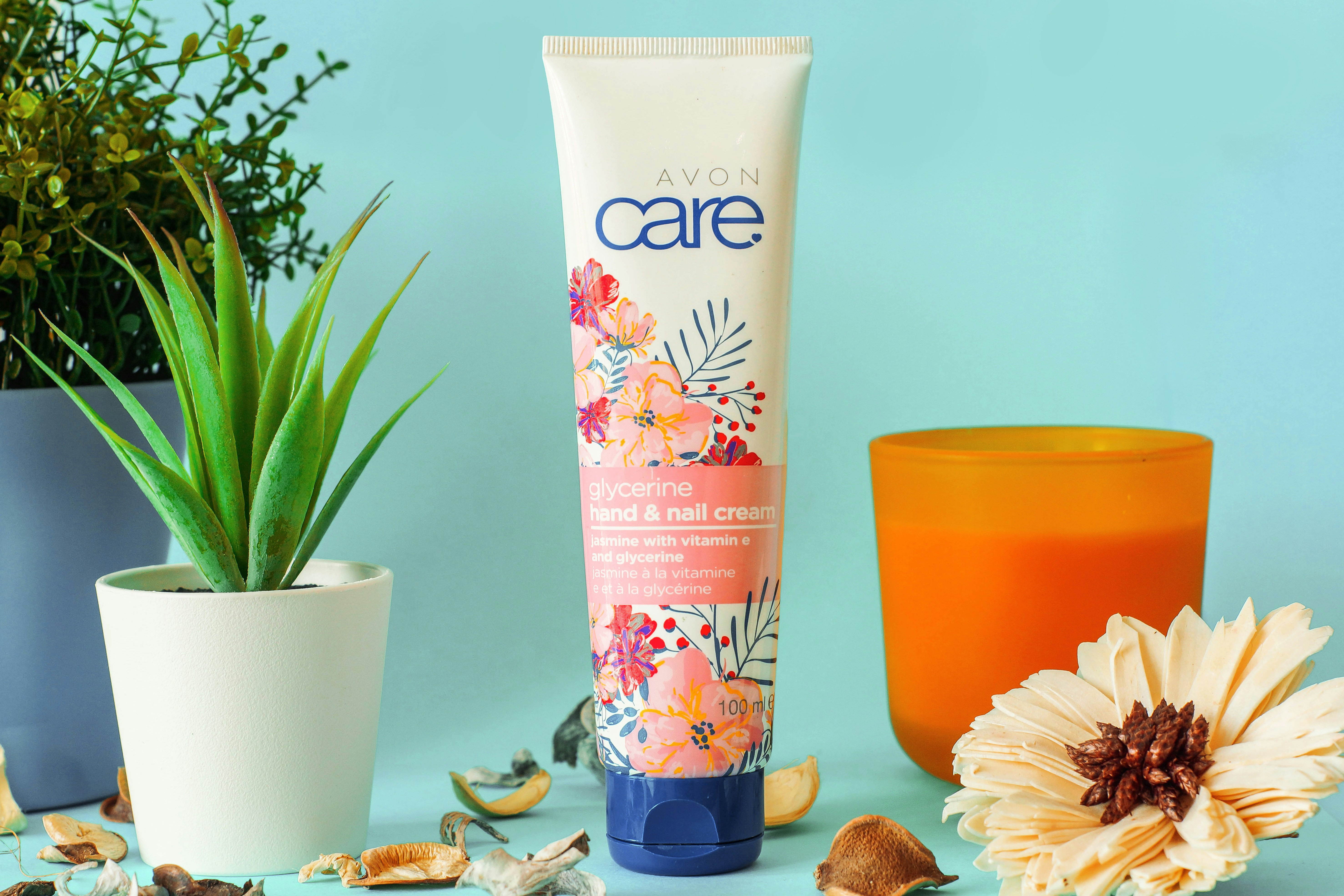
Une routine de soin corporel complete n’a pas besoin d’etre elaboree. Sous la douche : gel douche doux, exfoliation 1-2x par semaine (brosse seche ou gant exfoliant). Apres la douche, dans les trois minutes : lotion corporelle sur peau humide, en insistant sur les zones seches. Protection solaire sur le visage, le cou, la poitrine et le dos des mains. Une fois par semaine : exfoliation plus approfondie, soin des pieds et attention aux zones rugueuses.
Cela prend environ cinq minutes de plus qu’une douche standard et fait une difference significative dans l’apparence et la sensation de votre peau. La peau de votre corps est le meme organe que celle de votre visage — elle merite le meme niveau d’attention et de soin.
Protection solaire pour le corps
Les zones les plus vulnerables aux dommages solaires et au cancer de la peau sont les parties du corps constamment exposees : visage, cou, poitrine, mains et bras. Le visage recoit de la creme solaire ; tout le reste, souvent pas. Pourtant, les mains et la poitrine sont la ou les dommages solaires sont les plus visibles et les plus vieillissants.
Le minimum : ecran solaire sur le visage, le cou et le dos des mains chaque jour. Les mains sont lavees frequemment, donc la reapplication est importante. L’ideal : toute peau exposee recoit de la creme solaire. En ete, cela signifie bras, jambes et pieds aussi. Un ecran solaire corporel leger et non gras rend l’application quotidienne supportable. Les sprays solaires sont plus faciles a appliquer sur de grandes surfaces mais assurez-vous d’en appliquer suffisamment — la plupart des gens sous-appliquent considerablement les sprays.
La peau de votre corps est le meme organe que celle de votre visage. Elle merite le meme niveau d’attention et de soin — et la difference se verra avec le temps.