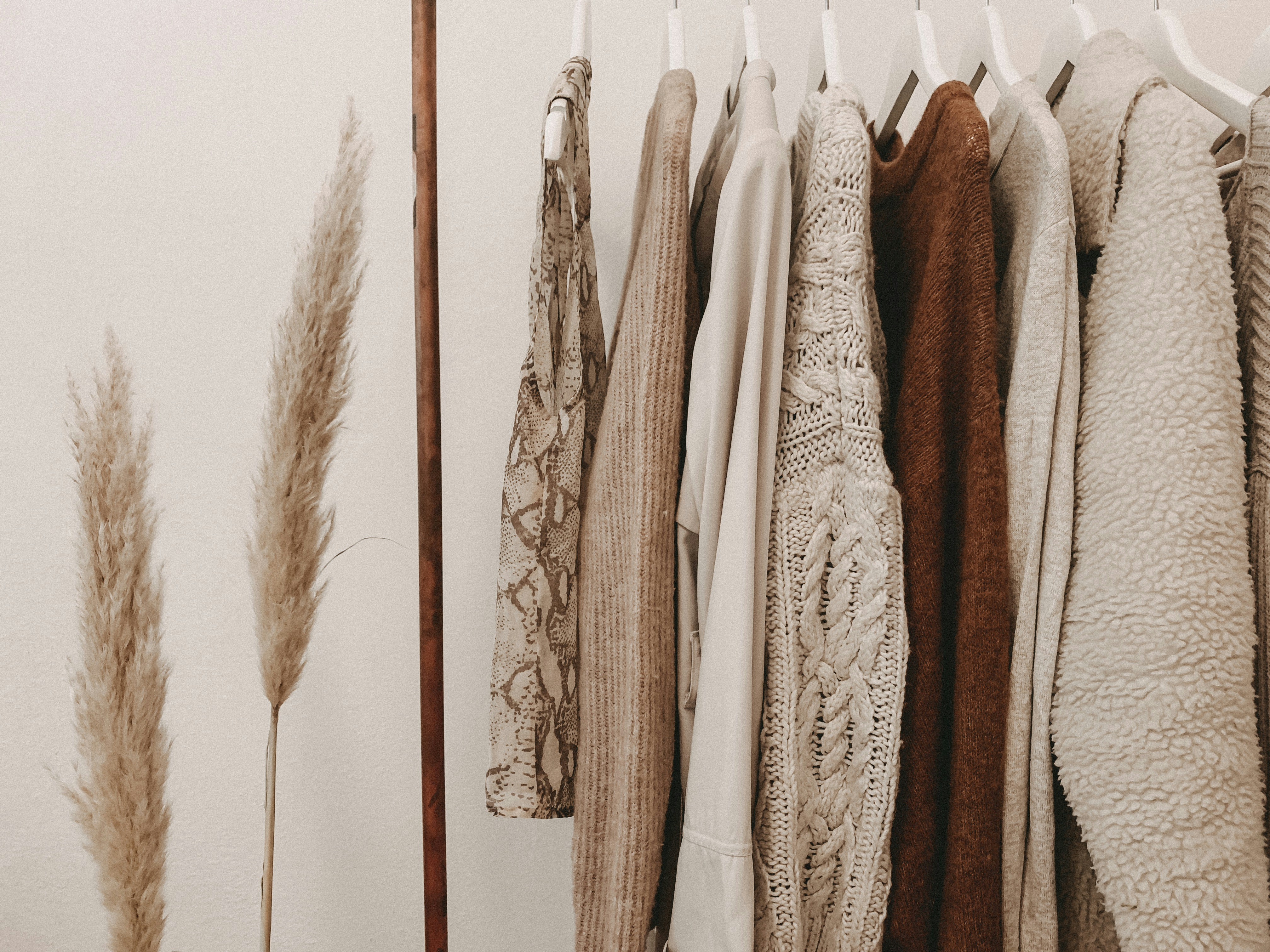
La base de tout look elegant commence par des essentiels impeccables. Les tendances vont et viennent, mais les pieces qui ancrent votre garde-robe — celles que vous attrapez encore et encore — definissent votre style personnel bien plus que n’importe quelle piece forte. Un essentiel elegant n’est pas simplement un t-shirt blanc basique ou un jean ordinaire. C’est une piece choisie avec intention : un meilleur tissu, une coupe reflechie, un detail qui la rend speciale. La difference entre un basique et un basique elegant, c’est la sensation que vous avez en le portant. Il tombe bien. Il dure.
Nous avons passe des mois a tester et a porter les pieces fondamentales qui constituent l’epine dorsale d’une garde-robe moderne. Ce qui suit est une selection de dix essentiels elegants, avec des conseils sur ce qu’il faut rechercher, comment les styliser, et pourquoi chaque piece merite sa place.
La philosophie des essentiels elegants
Avant de plonger dans la liste, il est important de comprendre ce qui separe un essentiel elegant d’un basique ordinaire. Cela se resume a quatre facteurs : la qualite du tissu, la construction, la coupe et la polyvalence. Un essentiel vraiment elegant doit fonctionner dans plusieurs contextes — habille ou decontracte, superpose ou porte seul, et a travers les saisons. Chaque piece doit pouvoir creer au moins cinq tenues distinctes avec des articles que vous possedez deja.
1. La chemise blanche parfaite
Toutes les chemises blanches ne se valent pas. Recherchez du coton popeline ou oxford avec un certain poids — trop fin et il fait bon marche ; trop rigide et vous aurez l’impression d’etre dans une salle de conseil d’administration des annees 2000. Le juste milieu est une coupe decontractee mais ajustee, avec un col qui tient debout tout seul.
Ce qu’il faut rechercher : Du coton de poids moyen, des coutures francaises, un col structure qui ne s’effondre pas. Evitez tout ce qui contient de l’elastanne ou du stretch — une chemise 100% coton epousera votre corps avec le temps et developpera du caractere a chaque lavage.
Comment la porter : Rentree a moitie dans un pantalon taille haute pour un look de journee soigne. Superposee sous un pull en cachemire a col rond avec le col et les poignets qui depassent. Le week-end, nouee a la taille sur une jupe midi. La chemise blanche est sans doute la piece la plus travailleuse de toute garde-robe.
2. Pantalon taille haute en melange laine
Un pantalon bien coupe dans un ton neutre — anthracite, camel ou creme — fonctionne avec absolument tout. Le melange de laine vous donne le poli d’un pantalon de tailleur sans la contrainte du nettoyage a sec exclusif. Recherchez une jambe legerement large qui s’arrete juste au-dessus de la cheville.
Ce qu’il faut rechercher : Un melange de 50 a 70% de laine avec du polyester ou de la viscose pour la durabilite. Des passants de ceinture, des poches laterales et une taille partiellement elastiquee a l’arriere pour le confort. Le pantalon doit tomber proprement depuis la hanche sans tirer.
Comment le porter : Avec des baskets et un pull le samedi, avec des mocassins et un caraco en soie le lundi. Ils fonctionnent aussi magnifiquement avec un col roule epais et des bottines pendant les mois plus frais.
3. Un pull en cachemire a col rond
Un bon pull en cachemire remplace cinq pulls en acrylique. Optez pour un col rond classique en gris chine, marine ou camel. Il se superpose sous les blazers, sur les chemises boutonnees, et fonctionne avec un jean ou un pantalon de tailleur. Le calcul du cout par port de cette piece est imbattable — un pull en cachemire bien entretenu peut durer une decennie.
Ce qu’il faut rechercher : Du cachemire deux fils (pas de cachemire un fil, qui se troue rapidement). La maille doit etre dense et elastique, pas fine et transparente comme de la gaze. Verifiez les coutures — elles doivent etre plates et regulieres.
Comment le porter : Sur une chemise blanche pour le bureau, sous un trench pour les temps de transition, ou simplement seul avec un jean pour un look de week-end tranquille.
4. Un blazer structure (non double)
Un blazer est la piece qui donne instantanement du poli. Mais le mauvais blazer fait costume d’entreprise ; le bon parait sans effort. Optez pour une construction non doublee ou semi-doublee en fibre naturelle — lin pour l’ete, laine legere pour toute l’annee, ou un melange lin-coton.
Ce qu’il faut rechercher : Construction non doublee pour qu’il tombe naturellement plutot que de rester raide sur les epaules. Revers cran (plus polyvalent que le revers pointe). Epaule legerement allongee mais sans rembourrage. La manche doit s’arreter a l’os du poignet.
Comment le porter : Jetez-le sur un t-shirt blanc et un jean pour l’astuce d’elevation la plus simple qui soit. Ceinturez-le sur une robe midi. Portez-le avec un pantalon assorti pour les occasions qui exigent un costume complet.
5. Jean droit (ourlet brut)
Lavage fonce, sans delavage, un ourlet brut pour juste assez de caractere. Le jean droit est le juste milieu des jeans — ni trop skinny, ni trop large. C’est la silhouette la plus universellement flatteuse et elle fonctionne avec toutes les chaussures, des ballerines aux bottes epaisses.
Ce qu’il faut rechercher : 98 a 100% coton denim (stretch minimal). Une taille moyenne a haute qui arrive a la taille naturelle ou juste en dessous. L’ourlet brut doit sembler intentionnel, pas comme si vous l’aviez coupe vous-meme avec des ciseaux de cuisine.
Comment le porter : Faites un revers pour montrer la cheville avec des mocassins. Portez-le en longueur avec des bottes a talons. L’ourlet brut ajoute juste assez de texture pour garder le look actuel.
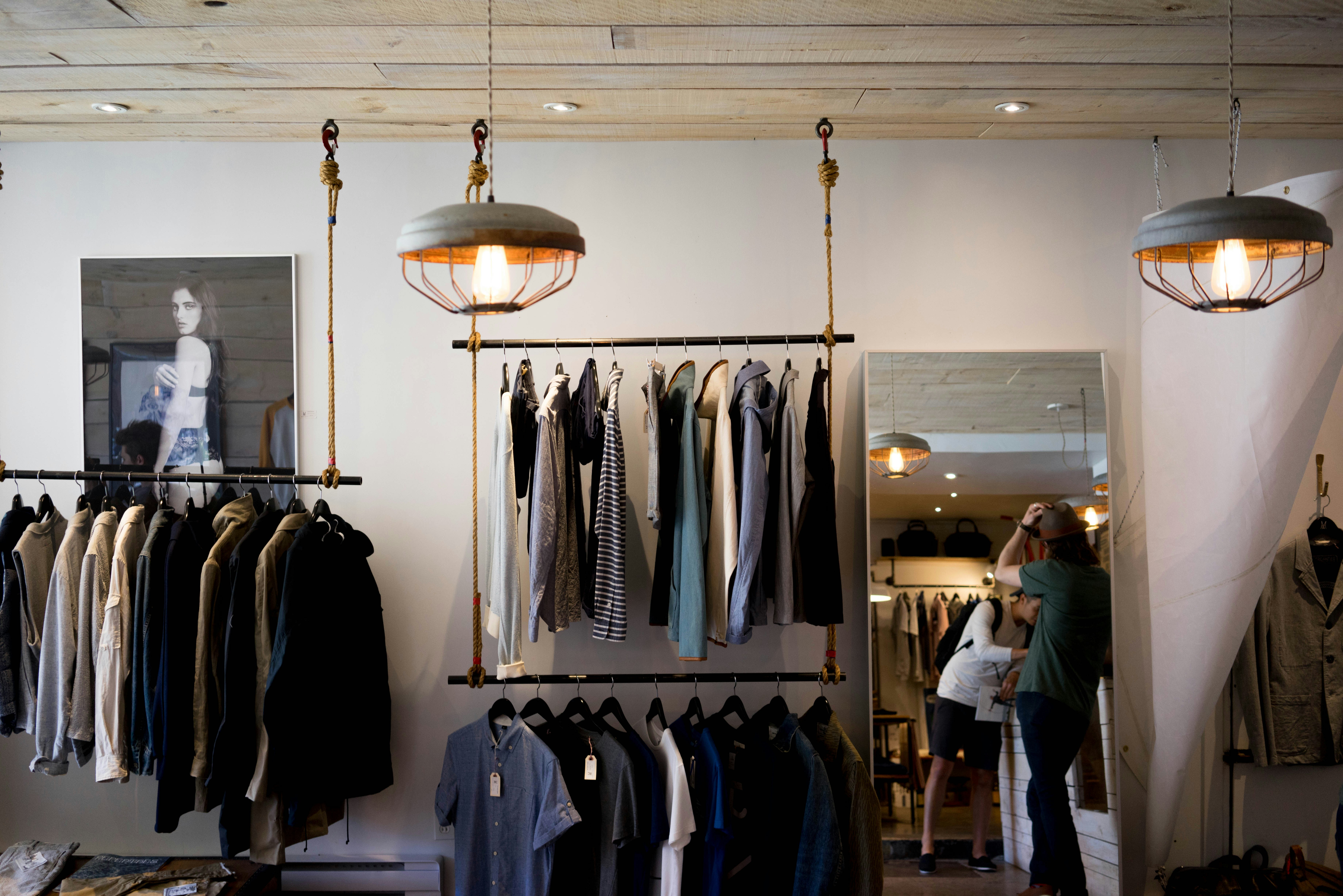
6. Un caraco en soie
La piece de superposition ultime. Un caraco en soie fonctionne sous un blazer pour le soir, sous un cardigan pour la journee, sous un chemisier transparent pour la pudeur, ou seul en plein ete. La cle est d’en choisir un avec un eclat subtil — pas trop brillant — et des bretelles reglables.
Ce qu’il faut rechercher : 100% soie de murier, de preference lavee au sable pour une finition mate et un toucher plus doux. Des bretelles reglables ne sont pas negociables. Un col en V plutot qu’un col droit — c’est plus flatteur sur la plupart des morphologies.
Comment le porter : Rentre dans un pantalon taille haute avec un blazer. Depassant d’un cardigan surdimensionne. Superpose sous un chemisier en organza transparent pour un jeu de texture.
7. Une ceinture en cuir (quincaillerie minimale)
Une ceinture en cuir discrete et bien faite unit chaque tenue. Les meilleures ont des boucles si minimales qu’elles sont a peine visibles — l’attention doit etre portee sur le cuir lui-meme. Choisissez une largeur qui passe dans les passants de votre pantalon et une couleur qui s’accorde avec vos chaussures les plus portees.
Ce qu’il faut rechercher : Cuir pleine fleur tanne vegetal. Il developpera une patine au fil du temps, unique a la facon dont vous le portez. La boucle doit etre en laiton massif ou en acier inoxydable, pas en metal plaque qui s’ecaillera.
Comment le porter : Passez-le dans les passants d’un jean, ceinturez un blazer a la taille, ou utilisez-le pour definir la taille sur une robe ample.
8. Mocassins en cuir marron
Confortables pour une journee entiere, assez soignes pour le diner. Les mocassins en cuir marron sont une pierre angulaire du style sans effort depuis leur introduction, et ils n’ont jamais vraiment disparu. La silhouette a mors ou a penny est la plus intemporelle.
Ce qu’il faut rechercher : Construction cousue Goodyear ou Blake — cela signifie qu’ils peuvent etre ressemeles. Le cuir doit etre en veau pleine fleur. Un bout legerement en amande est plus actuel qu’un bout completement rond ou pointu.
Comment le porter : Avec un pantalon crop et la cheville nue. Avec un jean droit et un blazer. Avec une jupe midi et un t-shirt rentre. Les mocassins fonctionnent dans presque tous les contextes, sauf les evenements de soiree formels.
9. Un collier dore (simple)
Un bijou de tous les jours qui devient une signature. Une simple chaine doree, un petit pendentif ou un medaillon delicat — quelque chose que vous n’enlevez jamais. Il doit etre assez leger pour que vous oubliiez que vous le portez, mais assez substantiel pour ne pas sembler fragile.
Ce qu’il faut rechercher : Or rempli ou or massif plutot que plaque — il ne ternira pas avec le port quotidien. Une chaine de 40 a 45 cm se positionne a l’endroit le plus polyvalent sur la clavicule.
Comment le porter : Portez-le seul pour un look minimaliste, ou superposez-le avec une ou deux autres chaines delicates de differentes longueurs. Il doit fonctionner aussi bien avec l’encolure d’un t-shirt qu’avec une robe de soiree.
10. Baskets en cuir blanc
Propres, sans marque evidente, vont avec tout, des jeans aux jupes midi. Les baskets en cuir blanc sont l’equivalent chaussant du t-shirt blanc — une toile vierge qui laisse le reste de votre tenue parler. Gardez-les propres (un chiffon humide apres chaque port suffit), et elles vous serviront pendant des annees.
Ce qu’il faut rechercher : Cuir blanc pleine fleur (pas de synthetique, qui se craquelle et jaunit). Marquage minimal — idealement, aucun visible. Une semelle fine plutot qu’epaisse. Des semelles interieures amovibles pour pouvoir les remplacer.
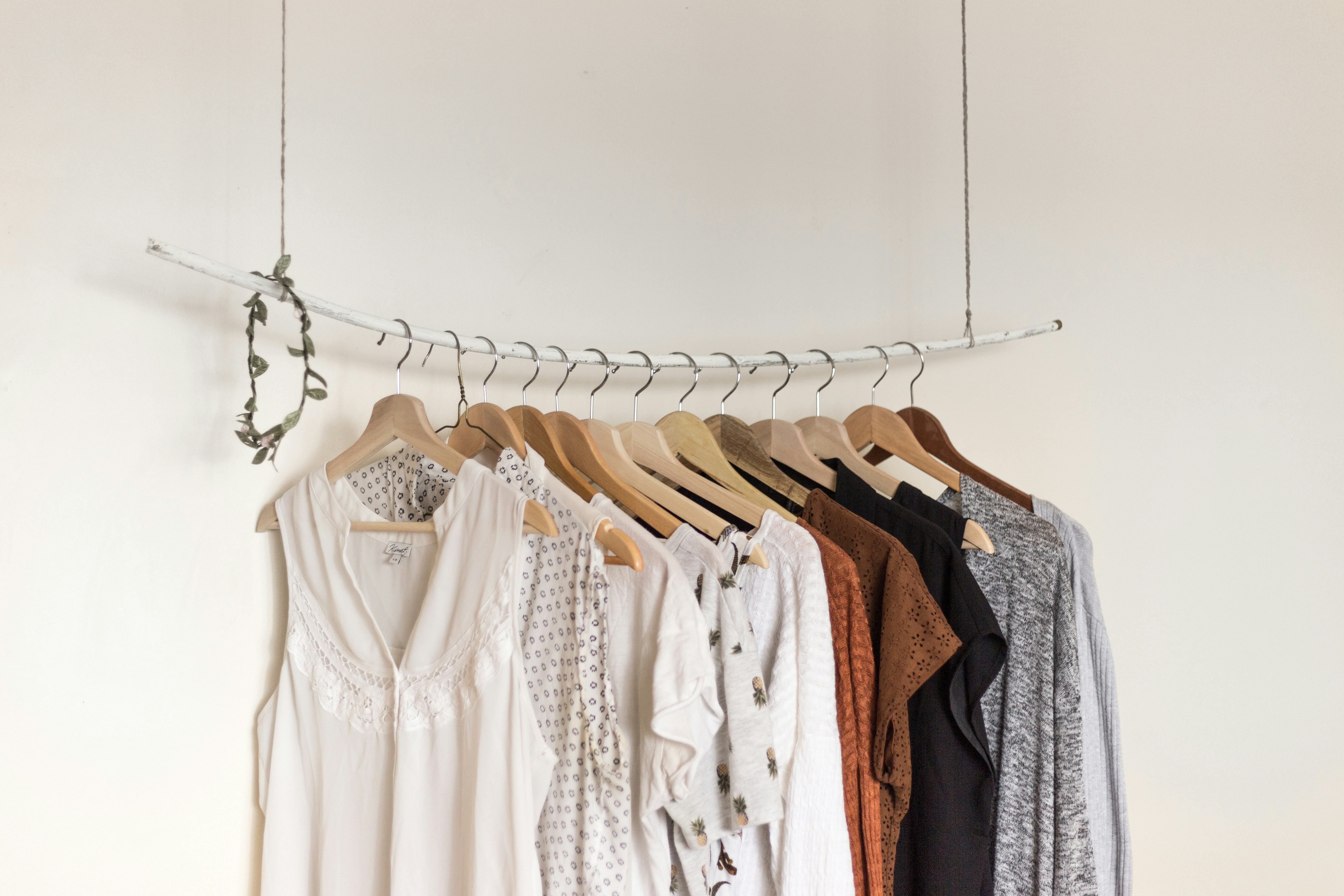
Comment le porter : Avec tout. Pantalon de tailleur, jeans, robes midi, shorts, costumes en lin. La seule regle est de les garder propres — des baskets blanches usees annulent l’elegance que vous recherchez.
Comment construire cette garde-robe
N’achetez pas les dix d’un coup. Commencez par les pieces qui comblent de vraies lacunes dans votre garde-robe actuelle. Une bonne regle generale : si vous ne pouvez pas creer au moins cinq nouvelles tenues avec une piece en utilisant ce que vous possedez deja, attendez.
L’ordre que nous suggerons :
- Commencez par le denim et les baskets blanches — frequence de port la plus elevee, impact immediat
- Ajoutez la chemise blanche et le cachemire a col rond — pieces fondamentales de superposition
- Pantalon et blazer — pour le poli quand vous en avez besoin
- Les accessoires en dernier — la ceinture, les mocassins, le collier et le caraco sont les finitions
Une garde-robe d’essentiels elegants n’est pas ennuyeuse — c’est la toile qui laisse votre personnalite transparaitre. Les boucles d’oreilles affirmees, le foulard vintage, le rouge a levres vif : tout cela fonctionne mieux quand la fondation est calme, reflechie et vraiment la votre.
Le vrai test d’un essentiel elegant est ce que vous ressentez quand vous le portez. Si vous vous surprenez a ajuster, tirer ou tripoter une piece tout au long de la journee, ce n’est pas la bonne. Les meilleurs essentiels sont ceux que vous oubliez que vous portez — parce qu’ils font leur travail si bien.