
La mode durable a un probleme d’image. Pendant trop longtemps, la conversation a ete formulee comme un choix binaire : soit vous vous souciez de votre apparence, soit vous vous souciez de la planete. C’est un faux choix. La realite est que les pieces les plus durables sont souvent les plus belles — elles sont fabriquees avec soin, a partir de meilleurs materiaux, et concues pour durer. Ce sont les pieces que vous sortez saison apres saison, pas celles qui s’effondrent apres trois lavages.
Ce guide s’adresse a tous ceux qui veulent construire une garde-robe alignee avec leurs valeurs sans sacrifier leur style personnel. Ni culpabilite, ni jugement, ni purge de garde-robe qui envoie tout a la decharge. Juste des mesures pratiques et realistes vers un dressing plus reflechi.
Pourquoi la plupart des conseils de mode durable echouent
Le discours dominant en matiere de mode durable se presente comme suit : jetez tout ce que vous possedez, remplacez-le par des basiques en coton biologique beige, et n’achetez plus jamais rien de neuf. Cette approche echoue pour trois raisons.
Premierement, elle est classiste. Tout le monde ne peut pas s’offrir un t-shirt en coton biologique a 200 euros. Deuxiemement, elle ignore la realite selon laquelle le style personnel est une forme d’expression de soi et de joie. Dire aux gens de porter les memes cinq articles beiges pour toujours n’est pas une vision convaincante. Troisiemement, et c’est le plus important, le vetement le plus durable est celui que vous possedez deja. Jeter une garde-robe fonctionnelle pour acheter de nouveaux articles dits << durables >> passe completement a cote de l’essentiel.
Les cinq piliers d’une garde-robe ethique
1. Portez ce que vous possedez deja
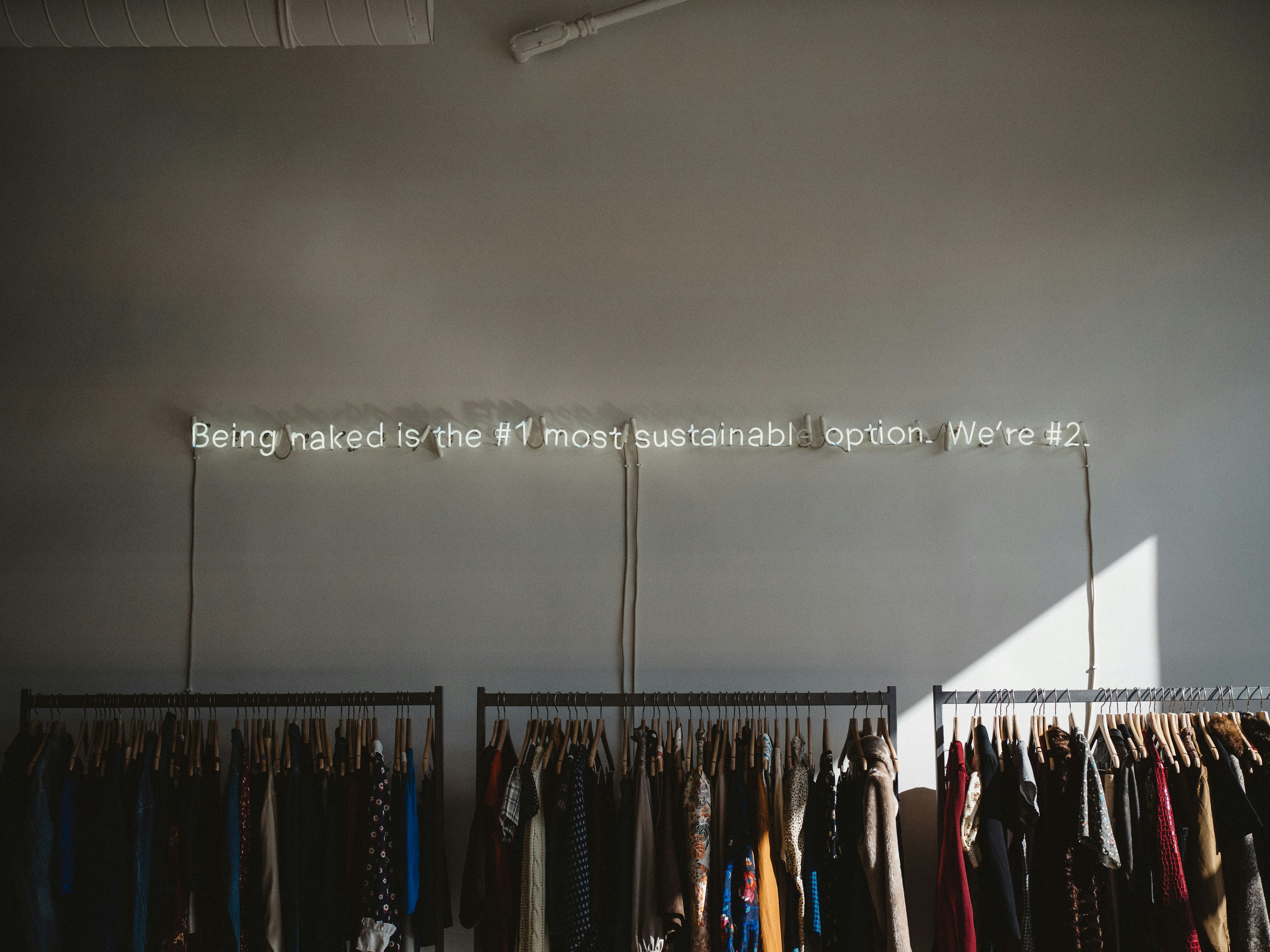
Cela semble evident, mais dans une culture qui traite les vetements comme jetables, c’est veritablement radical. Le vetement moyen n’est porte que sept fois avant d’etre jete. Prolonger la duree de vie de vos vetements de seulement neuf mois reduit leur empreinte carbone, hydrique et de dechets de 20 a 30%. Avant d’acheter quoi que ce soit de neuf, faites les courses dans votre propre placard. Vous serez surpris de ce que vous trouverez.
Essayez cet exercice : sortez dix articles que vous n’avez pas portes au cours des six derniers mois et creez trois nouvelles tenues avec eux. La plupart des gens decouvrent qu’ils possedent deja plus qu’ils ne le pensaient — ils avaient juste besoin de les voir differemment.
2. Achetez mieux, achetez moins
C’est le principe fondamental. Au lieu d’acheter cinq pieces tendance bon marche par saison, achetez une ou deux pieces bien faites par an. Le calcul est simple : un pull a 200 euros porte 100 fois coute 2 euros par port. Un pull a 40 euros porte 5 fois coute 8 euros par port. Le pull le plus cher est en realite moins couteux en cout par port.
Quand vous evaluez la qualite, regardez :
- La composition du tissu : Les fibres naturelles (coton, laine, lin, soie, cachemire) durent generalement plus longtemps et vieillissent mieux que les synthetiques.
- Les details de construction : Les coutures sont-elles droites et renforcees ? Les boutons sont-ils solidement attaches ? Le poids du tissu est-il substantiel ?
- La transparence de la marque : La marque vous dit-elle ou et comment le vetement a ete fabrique ? Les marques qui cachent ces informations ont generalement quelque chose a cacher.
3. Comprenez les materiaux
Tous les materiaux dits << naturels >> ne se valent pas, et tous les synthetiques ne sont pas mauvais. Voici un rapide apercu :
| Materiau | Avantages | Inconvenients | Verdict |
|---|---|---|---|
| Coton biologique | Moins d’eau, pas de pesticides | Reste gourmand en eau | Meilleur que le conventionnel |
| Lin | Faible consommation d’eau, biodegradable, durable | Se froisse facilement | Excellent choix |
| Tencel / Lyocell | Production en circuit ferme, doux, biodegradable | Transformation energivore | Bon choix |
| Polyester recycle | Detourne le plastique des decharges | Libere encore des microplastiques | Meilleur que le polyester vierge |
| Polyester vierge | Bon marche, durable | Derive du petrole, libere des microplastiques | A eviter si possible |
| Laine | Biodegradable, durable, renouvelable | Preoccupations de bien-etre animal | Choisissez des sources certifiees |
| Cuir | Extremement durable, biodegradable | Impact environnemental eleve | Achetez d’occasion ou tanne vegetal |
Le point a retenir : privilegiez le lin, le coton biologique, le Tencel et la laine provenant de sources responsables. Evitez les synthetiques vierges quand une alternative naturelle existe.
4. Achetez d’abord en seconde main
Le marche de la seconde main a ete transforme ces dernieres annees. Des plateformes comme The RealReal, Vestiaire Collective, Depop et meme eBay ont rendu possible de trouver pratiquement n’importe quoi en seconde main — souvent en excellent etat et a une fraction du prix de detail.
Le shopping de seconde main demande plus de patience que de cliquer sur << acheter >> pour un article neuf, mais les recompenses sont significatives : des pieces uniques, une meilleure qualite pour votre budget, et une fraction de l’impact environnemental. Certaines des personnes les mieux habillees que nous connaissons achetent presque exclusivement en seconde main.
Conseils pour le shopping en ligne de seconde main :
- Connaissez vos mensurations, pas seulement votre taille. Le sizing varie considerablement entre les marques et les epoques.
- Creez des recherches sauvegardees pour les articles specifiques que vous cherchez. Verifiez chaque semaine.
- Recherchez des fibres naturelles dans la composition du tissu. Elles vieillissent mieux et sont plus faciles a retoucher.
- Verifiez les politiques de retour avant d’acheter. Toutes les plateformes de seconde main n’acceptent pas les retours.
5. Prenez soin de ce que vous avez
Un entretien approprie prolonge considerablement la duree de vie de vos vetements. Les habitudes d’entretien les plus durables sont aussi les plus simples :
- Lavez moins. La plupart des vetements n’ont pas besoin d’etre laves apres chaque port. Nettoyez les taches, aerez et lavez seulement quand c’est vraiment sale.
- Uniquement a l’eau froide. Chauffer l’eau represente environ 75% de l’energie utilisee dans un cycle de lessive. L’eau froide nettoie tout aussi bien pour la plupart des charges et est plus douce pour les tissus.
- Sechez a l’air libre quand c’est possible. Les seche-linge degradent l’elastique, retrecissent les fibres naturelles et consomment d’enormes quantites d’energie. Un etendoir coute 20 euros et est rentabilise par les vetements preserves.
- Apprenez les reparations de base. Remplacer un bouton, coudre une petite dechirure et repriser un trou sont des competences qui s’apprennent en quelques minutes et sauvent les vetements de la decharge. YouTube propose d’excellents tutoriels pour les trois.
Construire votre garde-robe ethique : un calendrier pratique
Mois 1 : Audit. N’achetez rien. Suivez ce que vous portez reellement pendant 30 jours. Mettez les articles non portes dans une boite. Si vous ne recuperez rien de la boite apres trois mois, donnez ou vendez-la.
Mois 2 : Recherche. Identifiez les lacunes de votre garde-robe en vous basant sur vos donnees de port, pas sur Instagram. Recherchez des marques qui fabriquent ces articles specifiques avec des chaines d’approvisionnement transparentes et des materiaux de qualite. Mettez-les en favoris. Attendez.
Mois 3 : Premier achat. Achetez un article de votre liste de recherche. Choisissez le comble-lacunes le plus polyvalent. Portez-le pendant quelques semaines avant de decider du prochain achat.
En continu : Un entre, un sort. Pour chaque nouvelle piece que vous faites entrer, donnez, vendez ou recyclez une piece que vous ne portez plus. Cela maintient votre garde-robe a une taille gerable et impose l’intentionnalite.
Les marques en qui nous avons confiance
Nous sommes prudents quant a recommander des marques specifiques, car les allegations de durabilite peuvent etre du marketing deguise. Cela dit, voici des marques qui demontrent constamment un engagement reel envers la production ethique, la transparence des materiaux et la longevite des vetements. Elles ne sont pas bon marche, mais elles sont concues pour durer.
Pour les essentiels elegants du quotidien, tournez-vous vers les marques qui fabriquent au Portugal, au Japon ou en Italie avec des listes d’usines transparentes. Pour le denim, cherchez des marques utilisant du coton biologique ou regeneratif avec des programmes de recyclage de l’eau. Pour la maille, les filatures ecossaises et italiennes possedent des siecles d’expertise et de solides protections du travail.
Une derniere reflexion
La garde-robe la plus durable n’est pas celle avec le plus de certifications — c’est celle que vous portez reellement, dont vous prenez soin et que vous gardez. Un placard rempli de vetements << durables >> jamais portes avec leurs etiquettes n’est pas une victoire. Une petite garde-robe de pieces bien aimees et frequemment portees, si.
Commencez la ou vous etes. Portez ce que vous avez. Quand vous achetez, achetez quelque chose que vous voudrez encore porter dans cinq ans. C’est toute la philosophie, et c’est reellement suffisant.