Le concept de garde-robe capsule existe depuis des decennies — Susie Faux a invente le terme dans les annees 1970 — mais quelque part en chemin, il est devenu un exercice de minimalisme rigide et sans joie. Le conseil traditionnel se resume a : possedez 30 a 40 articles, tous neutres, tous interchangeables, et cela vous liberera d’une maniere ou d’une autre. Pour la plupart des gens, cela ressemble moins a de la liberte qu’a un uniforme qu’ils n’ont pas choisi.
Nous pensons que la garde-robe capsule merite d’etre repensee. L’objectif n’est pas de posseder le moins possible. L’objectif est de ne posseder que des choses que vous portez reellement — et de pouvoir creer des tenues a partir d’elles sans rester debout devant votre placard avec le sentiment de n’avoir rien a vous mettre. Voici un guide pour construire une capsule qui est personnelle, pratique et reellement agreable a porter.
Pourquoi les conseils traditionnels de capsule echouent
La formule standard de la garde-robe capsule ressemble a ceci : 10 hauts, 8 bas, 5 pieces d’exterieur, 5 paires de chaussures et quelques accessoires. Tout doit aller avec tout le reste. Tout doit etre neutre. Tout doit etre << intemporel >>.
Le probleme avec cette approche est qu’elle ignore trois verites fondamentales sur le fait de s’habiller :
- Le style personnel compte. Si vous aimez la couleur, les motifs et la texture, une garde-robe beige et grise vous rendra malheureux. Vous porterez les trois memes choses en boucle et detesterez le reste.
- La vie n’est pas universelle. Une capsule pour un avocat d’affaires est differente de celle d’un creatif independant, qui est differente de celle d’un parent de jeunes enfants. Votre vie, votre climat et votre contexte doivent faconner votre capsule.
- Les saisons existent. Une seule capsule pour toute l’annee ne fonctionne pour personne qui connait plus d’une saison. Vous avez besoin d’un systeme qui s’adapte aux changements de temperature sans necessiter un echange complet de garde-robe.
Les nouvelles regles de la capsule
Regle 1 : Commencez par votre vie, pas par une liste
Avant de compter les articles, auditez votre vie reelle. Pendant deux semaines, notez ce que vous faites chaque jour et ce que vous avez porte. Vous trouverez probablement des schemas : le travail occupe 60% de votre semaine, les sorties sociales 20%, la detente a la maison 20%. Votre capsule doit refleter ce ratio. Si vous travaillez a domicile, vous n’avez pas besoin de cinq blazers. Si vous allez regulierement a des evenements formels, si.
Regle 2 : Choisissez une palette de couleurs (mais la votre)
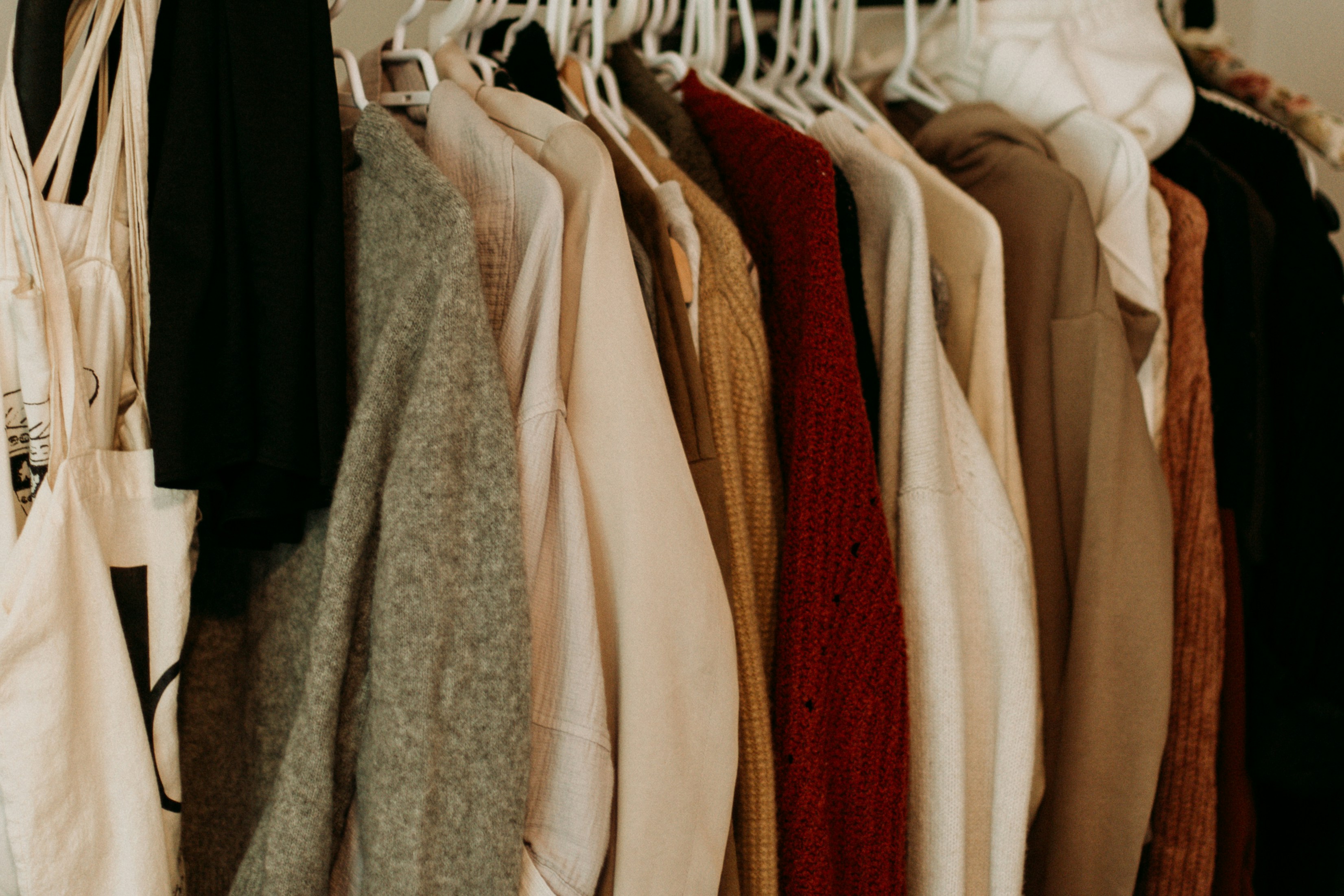
Une palette coherente est ce qui fait fonctionner une capsule — c’est pourquoi tout va avec tout. Mais << coherent >> ne signifie pas << neutre >>. Vous pouvez construire une capsule autour du marine, du bordeaux et du creme. Ou olive, rouille et ivoire. Ou meme des pastels si c’est votre style. La cle est de choisir :
- 2 a 3 neutres de base qui forment la fondation (vos noirs, marines, cremes, camels, gris)
- 2 a 3 couleurs d’accent qui ajoutent de la personnalite (vos verts, bordeaux, bleus, roses)
- 1 metallique pour la quincaillerie et les accessoires (or, argent ou or rose — choisissez-en un pour la coherence)
Tout ce que vous achetez doit s’inscrire dans cette palette. C’est une contrainte, mais une contrainte creative.
Regle 3 : Le cadre des 30 pieces
Trente pieces est un guide, pas une loi. Mais c’est un nombre utile car il est suffisant pour offrir de la variete sans etre accablant. Voici comment nous suggerons de repartir ces 30 pieces :
Hauts (8) : 3 hauts quotidiens, 2 hauts elegants, 2 pieces en maille, 1 piece forte Bas (6) : 2 jeans/pantalons, 1 pantalon de tailleur, 1 jupe, 1 short, 1 joker Exterieur (4) : 1 manteau lourd, 1 veste legere, 1 blazer, 1 couche decontractee Robes/Combinaisons (3) : 1 quotidienne, 1 elegante, 1 saisonniere Chaussures (6) : 2 chaussures plates quotidiennes, 1 talon/botte, 1 sandale, 2 saisonnieres Accessoires (3) : 1 sac de tous les jours, 1 ceinture, 1 bijou signature
Regle 4 : Rotation saisonniere, pas remplacement saisonnier
Au lieu d’avoir des garde-robes printemps/ete et automne/hiver completement separees, gardez un noyau de pieces toutes saisons (environ 20 articles) et faites tourner 10 pieces saisonnieres. Cela signifie que vous travaillez toujours avec environ 30 articles a la fois, mais le total a travers les saisons pourrait etre de 40 a 50.
Noyau toutes saisons : chemise blanche, jean droit, pull cachemire a col rond, trench, baskets blanches, mocassins, caraco en soie, pantalon noir, blazer, ceinture en cuir, collier dore.
Rotation ete : short en lin, sandales, robe d’ete en coton, sac en paille, cardigan leger. Rotation hiver : manteau en laine, col roule, bottes hautes, epaisse echarpe en maille, sous-vetements thermiques.
Construire votre capsule : la methode en un mois
Semaine 1 : L’audit du placard Videz tout de votre placard. Essayez tout ce dont vous n’etes pas sur. Creez quatre piles : garder (porte au cours des 3 derniers mois), peut-etre (porte au cours de la derniere annee), ranger (articles saisonniers) et liberer (pas porte depuis plus d’un an). Mettez en boite << peut-etre >> et << ranger >>. N’y touchez pas pendant un mois.
Semaine 2 : Portez uniquement votre pile << garder >> Pendant une semaine complete, habillez-vous exclusivement a partir de votre pile garder. Remarquez ce qui manque. Avez-vous besoin d’un type specifique de haut qui n’est pas la ? Vos chaussures fonctionnent-elles avec votre pantalon ? Notez les lacunes.
Semaine 3 : Identifiez les lacunes En vous basant sur votre semaine d’habillage, identifiez les 3 a 5 articles qui feraient la plus grande difference. Pas les articles que vous voulez — les articles qui feraient mieux fonctionner vos vetements existants. Souvent, la piece manquante est quelque chose d’ennuyeux : le bon soutien-gorge, une ceinture qui va bien, des chaussures de la bonne couleur.
Semaine 4 : Achetez avec intention Achetez uniquement les articles qui comblent les lacunes. Faites des recherches avant d’acheter. Essayez avec vos vetements existants si possible. Si vous n’etes pas impatient de le porter demain, ne l’achetez pas.

Exemples de capsules reelles
La creative professionnelle Vit a : Londres. Travaille dans : une agence creative (smart-casual).
- Palette : noir, creme, vert foret, accents dore
- Pieces cles : pantalon large noir, pull creme surdimensionne, chemisier en soie verte, mocassins noirs, bagues vintage en or
- Pourquoi cela fonctionne : le vert agit comme une couleur de personnalite tandis que le noir et le creme font le gros du travail. Tout semble intentionnel.
Le parent en teletravail Vit a : Austin. Travaille a domicile avec deux jeunes enfants.
- Palette : marine, blanc, terracotta, accents argentes
- Pieces cles : jean fonce, t-shirts en coton blanc (plusieurs), cardigan terracotta, baskets en cuir blanc, creoles en argent
- Pourquoi cela fonctionne : tout est lavable en machine, les couleurs cachent les petites taches, assez elegant pour les appels video mais confortable pour le terrain de jeu.
Entretenir votre capsule
Une capsule n’est pas un projet ponctuel — c’est une pratique continue. Tous les trois mois, faites un point rapide : qu’est-ce que vous n’avez pas porte ? Qu’est-ce qui a besoin de reparation ? Qu’est-ce qui a vraiment besoin d’etre remplace ? La rotation saisonniere devrait se faire naturellement avec les changements de temps.
Quand vous achetez quelque chose de nouveau, retirez quelque chose d’ancien. Cette regle d’un entre, un sort empeche la derive de la garde-robe et vous oblige a evaluer chaque nouvel achat par rapport a ce que vous possedez deja. Si vous ne supportez pas de laisser partir quoi que ce soit pour faire de la place, demandez-vous : avez-vous vraiment besoin de ce nouvel article ?
Le but n’est pas le minimalisme pour lui-meme. C’est une garde-robe qui fonctionne si bien que vous n’avez pas a y penser. Vous ouvrez votre placard, tout vous va, tout va ensemble, et vous pouvez vous habiller en cinq minutes en vous sentant vous-meme. C’est l’objectif — et cela vaut l’effort.