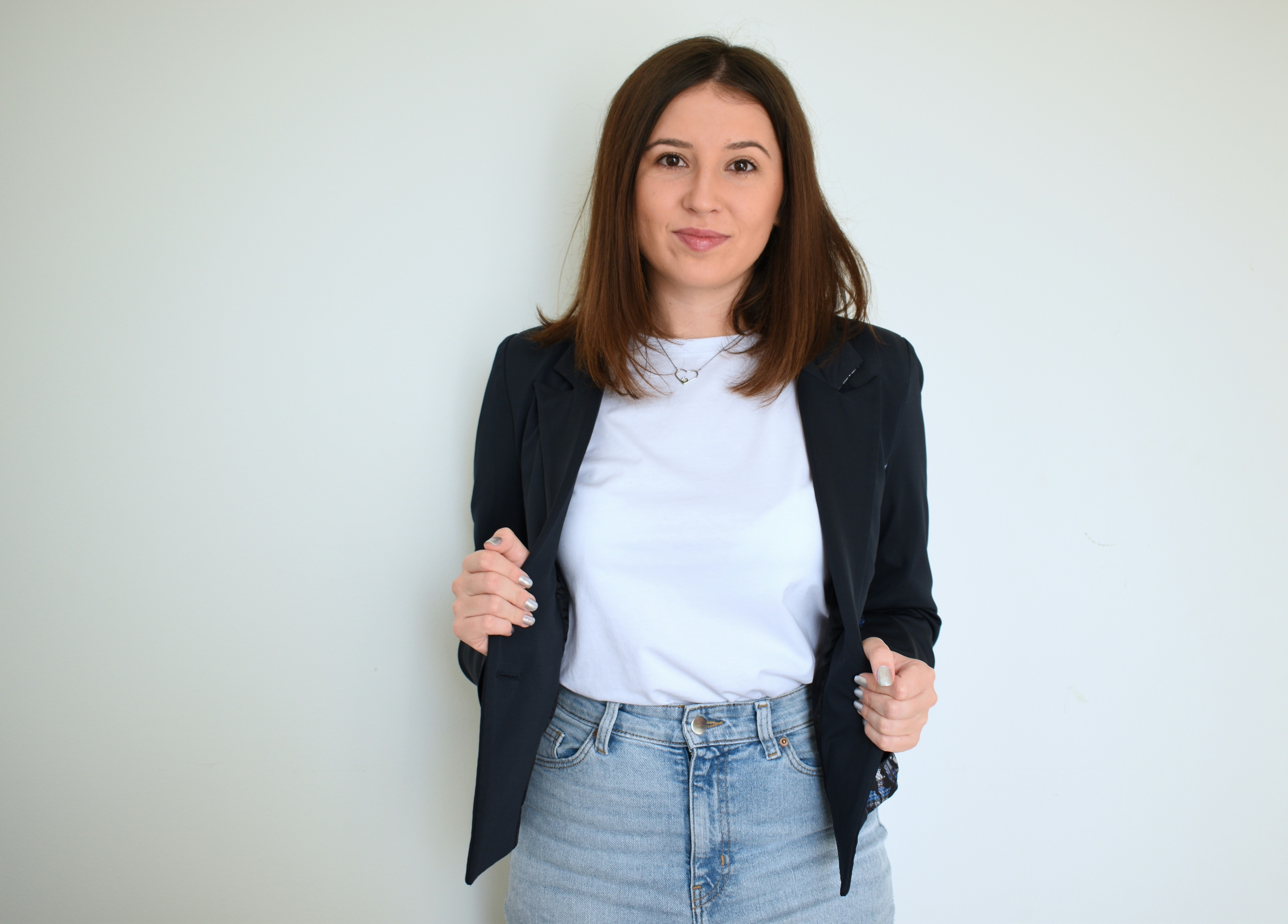
L’expression << garde-robe de travail >> evoque traditionnellement des images de tailleurs rigides, de jupes crayon qui grattent et d’une palette limitee au marine, au noir et au gris. Pendant des decennies, s’habiller professionnellement signifiait supprimer son style personnel au profit d’un uniforme d’entreprise. Mais les regles ont change. Les bureaux sont plus decontractes. Les codes vestimentaires se sont assouplis. Et la frontiere entre les vetements de travail et les vetements de week-end s’est estompee jusqu’a devenir presque invisible.
C’est une bonne nouvelle — mais cela cree aussi un nouveau defi. Quand il n’y a pas de code vestimentaire a suivre, comment construire une garde-robe qui se lit comme professionnelle tout en restant fidele a vous-meme ? Ce guide parcourt les principes, les pieces et les strategies pour construire une garde-robe de travail qui fait le pont entre les attentes de l’entreprise et l’expression personnelle.
Les nouvelles regles de l’habillement professionnel
La pandemie a remodele de facon permanente la tenue de bureau. Trois ans de travail a domicile ont reinitialise notre tolerance collective pour les vetements inconfortables. Le costume n’est plus le choix par defaut. Le code vestimentaire — s’il en existe un — est maintenant << smart casual >> ou simplement << habillez-vous de maniere appropriee >>. Cette ambiguite est a la fois liberatrice et source de confusion.
La nouvelle garde-robe de travail fonctionne sur quelques principes cles :
Le confort est non negociable. Si vous etes physiquement mal a l’aise dans ce que vous portez, cela se voit. Vous gigotez. Vous ajustez. Vous etes distrait de la conversation. Les vetements confortables se lisent comme de la confiance parce que la personne qui les porte n’est pas preoccupee par sa tenue.
La personnalite est permise. De petites touches — un collier distinctif, une chaussure interessante, une touche de couleur — signalent que vous etes un etre humain, pas une fonction d’entreprise. Ces details sont ce dont les collegues se souviennent et ce qui vous fait vous sentir vous-meme.
Le contexte compte toujours. Le confort et la personnalite ne signifient pas que vous pouvez porter n’importe quoi. Une reunion client, une presentation en salle de conseil et un vendredi decontracte exigent tous des niveaux de formalite differents. La competence consiste a calibrer de maniere appropriee sans abandonner votre identite.
La garde-robe de travail de base : 15 pieces
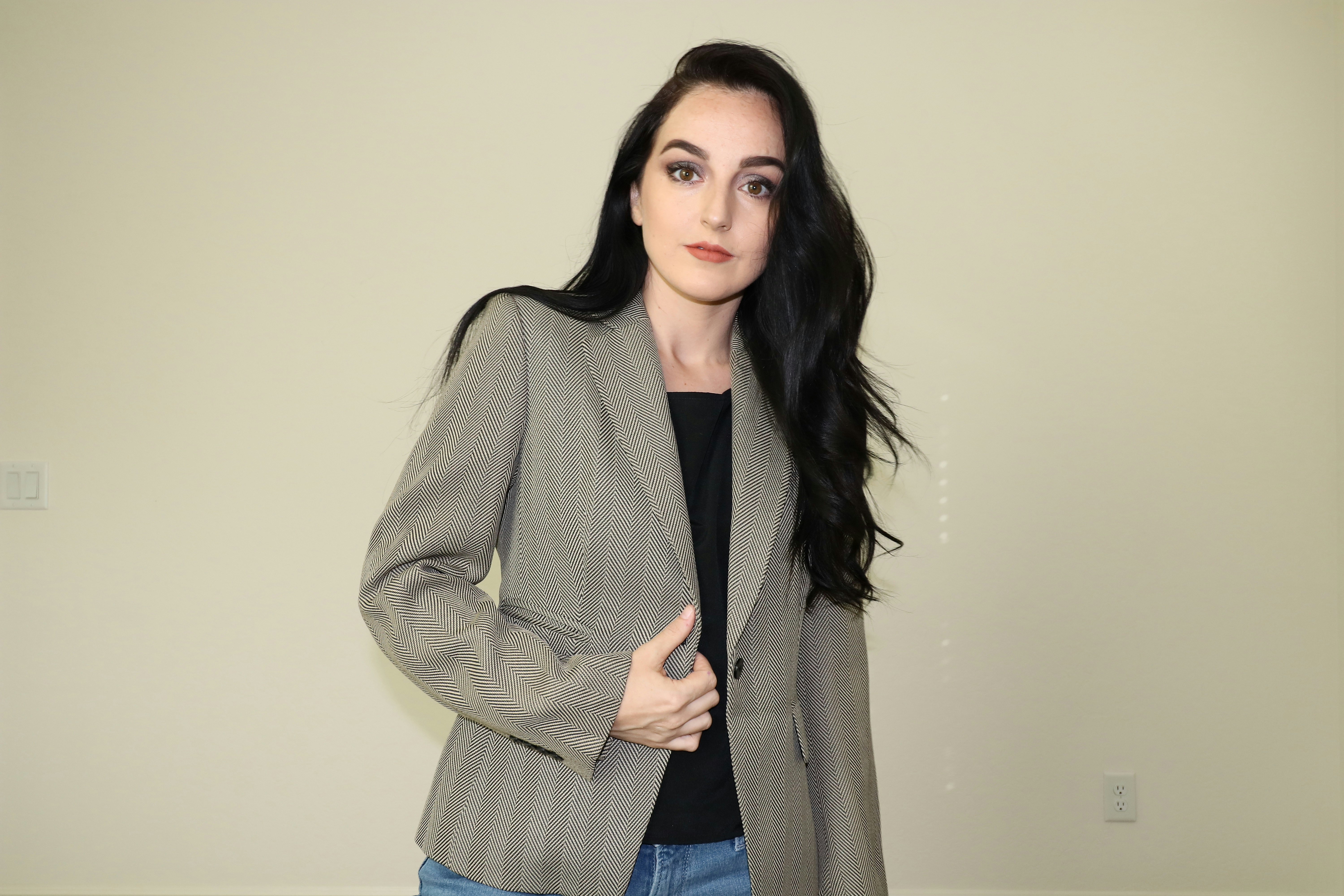
Ces 15 pieces forment une fondation flexible qui peut evoluer du bureau decontracte a la reunion formelle avec des ajustements strategiques :
Hauts (5)
1. Le chemisier en soie ou satin (creme ou ivoire). Le haut de travail le plus polyvalent qui existe. Il fonctionne sous un blazer, rentre dans un pantalon, demi-rentre dans un jean, ou superpose sous un pull. Le creme est plus chaud et plus flatteur que le blanc pur pour la plupart des carnations.
2. Un col roule en merinos fin (noir ou marine). Des lignes epurees, sans chichi, rend instantanement n’importe quel bas intentionnel. Le merinos respire mieux que le coton et resiste aux plis et aux odeurs — ideal pour les longues journees qui s’etendent du bureau au diner.
3. Une chemise Oxford nette (blanc ou bleu clair). Le classique. Roulez les manches le vendredi, boutonnez-la pour les presentations du lundi, superposez-la sous un pull a col rond les jours intermediaires. Choisissez une coupe decontractee plutot qu’une coupe slim pour plus de polyvalence.
4. Un t-shirt en coton de qualite (noir, blanc ou gris). Oui, un t-shirt peut etre approprie au travail. La cle est le poids du tissu (substantiel, pas fin comme du papier), l’encolure (col rond, pas de col V profond) et l’etat (pas de taches, pas de decoloration, pas de col detendu). Superposez-le sous un blazer et personne ne le remettra en question.
5. Un chemisier a motif ou texture. C’est la que la personnalite entre en jeu. Un imprime animal, un floral discret, un motif geometrique ou un detail de texture. Une seule piece imprimee par tenue est une bonne regle — laissez-la etre le point focal et gardez tout le reste discret.
Bas (4)
6. Pantalon large de tailleur (noir ou anthracite). L’alternative moderne au pantalon de costume skinny. Le pantalon large est plus confortable, plus actuel et — contre toute attente — plus flatteur sur la plupart des morphologies. Le volume equilibre magnifiquement les hauts ajustes.
7. Jean droit fonce (sans delavage). Dans la plupart des bureaux, un jean droit fonce non delave est maintenant approprie cinq jours par semaine. Associez-le a un blazer et des mocassins, et il aura l’air plus soigne que la moitie des pantalons de costume de la piece.
8. Une jupe midi (ton neutre). Une jupe midi en biais ou evasee dans un neutre — camel, olive ou anthracite — ajoute de la variete a votre rotation de bas. Elle se marie avec tous les hauts de cette liste et fonctionne avec des chaussures plates ou des talons bas.
9. Pantalon crop tailleur (couleur saisonniere). Un deuxieme pantalon de tailleur dans une teinte saisonniere — rouille pour l’automne, sauge pour le printemps — ajoute de la chaleur et de la variete sans sacrifier le professionnalisme.
Exterieur et couches (3)
10. Un blazer non double (marine ou camel). Le blazer est la piece unique qui eleve le plus efficacement n’importe quelle tenue. La construction non doublee l’empeche de faire costume d’entreprise. Le marine et le camel sont tous deux plus interessants que le noir et se marient avec tout dans cette liste.
11. Un cardigan long (anthracite ou flocon d’avoine). Pour les jours ou un blazer semble trop mais un bras nu semble trop peu. Un cardigan long en maille substantielle se lit comme intentionnel et soigne.
12. Un trench-coat classique. Pour les trajets. Un trench par-dessus des vetements de travail a l’air soigne ; un trench par-dessus un jean et un t-shirt a toujours l’air soigne. C’est le manteau le plus travailleur de toute garde-robe.
Chaussures (2)
13. Mocassins en cuir (noir ou marron). Confortables toute la journee, assez soignes pour les reunions, assez decontractes pour les trajets. Un bout legerement en amande est plus actuel que rond ou pointu.
14. Bottines a talon bloc bas (noir ou taupe). Pour les mois plus frais et les jours plus formels. Un talon bloc de 3 a 5 cm est suffisamment confortable pour marcher mais ajoute assez de hauteur pour changer votre posture.
Accessoires (1)
15. Un accessoire signature. Un collier distinctif, un foulard en soie, une montre en cuir, une bague interessante. Une chose qui dit << cette tenue est la mienne, pas celle du code vestimentaire >>. C’est la piece que les collegues reconnaissent et associent a vous.
Comment personnaliser votre tenue de travail
La fondation de 15 pieces n’est qu’une toile. L’art est dans la facon de la personnaliser :
Accents de couleur : Si la fondation est largement neutre, ajoutez de la couleur par une piece par tenue. Un cardigan rouille sur un chemisier creme et un pantalon anthracite. Un sac vert foret. Une chaussure cobalt.
Jeu de textures : Combiner les textures — soie lisse avec laine nubby, cuir elegant avec cachemire doux — ajoute de la profondeur aux tenues simples. Les tenues de travail les plus interessantes impliquent souvent trois textures ou plus.
La signature bijou : Une piece de bijouterie distinctive portee regulierement devient votre signature. Un bracelet en or, un rang de perles, un collier geometrique moderne ou une superposition de bagues fines. La cle est de le porter assez souvent pour que les collegues l’associent a vous.
Rotation saisonniere : La fondation reste ; les accents changent avec les saisons. L’ete apporte des couleurs plus claires et des tissus plus legers (melanges de lin, popeline de coton). L’hiver apporte des tons plus riches et des textures plus lourdes (laine, cachemire, cuir).
L’habillement professionnel selon le contexte
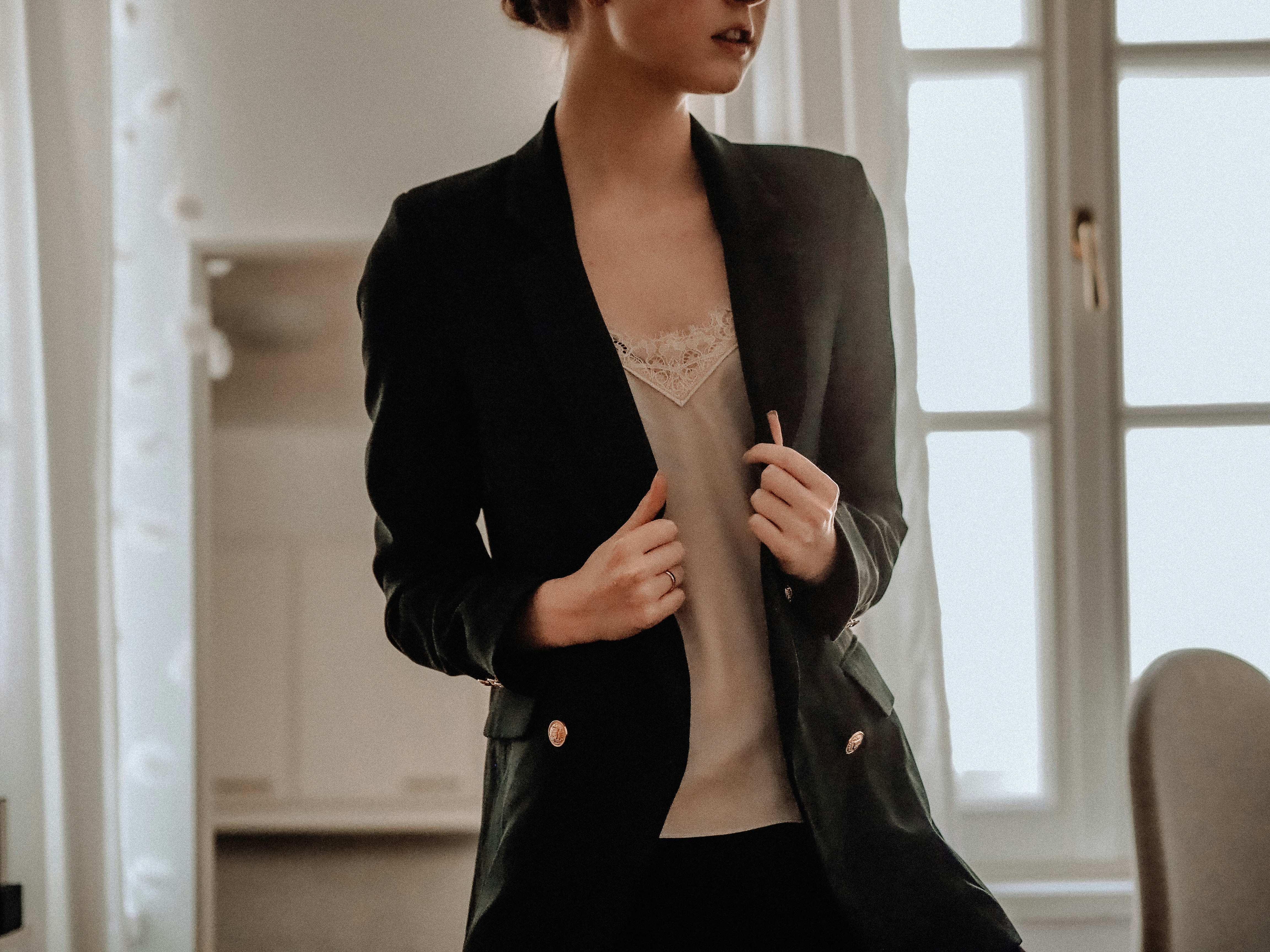
Reunion client ou presentation : Blazer, chemisier en soie, pantalon de tailleur, mocassins ou talons bas. Ajoutez l’accessoire signature. C’est la version la plus formelle de votre garde-robe de travail et elle devrait etre la plus soignee.
Journee de bureau ordinaire : Cardigan ou blazer sur un t-shirt ou une maille, jean fonce ou pantalon, mocassins ou bottines. Confortable pour huit heures au bureau, assez soigne pour une reunion impromptue.
Vendredi decontracte ou bureau creatif : T-shirt, jean fonce, chaussures interessantes et l’accessoire signature. La tenue la plus simple avec le plus de personnalite. Si votre bureau est plus creatif, cela peut etre votre uniforme quotidien.
Teletravail (appels video) : Une maille ou un chemisier de qualite en haut (visible a l’ecran), un bas confortable (non visible), et un accessoire rapide — boucles d’oreilles ou collier — qui encadre votre visage a la camera. Un bon eclairage et un arriere-plan propre font plus pour votre impression professionnelle que n’importe quel vetement.
La strategie d’investissement
Construisez votre garde-robe de travail progressivement, dans cet ordre :
Mois 1 : Maille et pantalon. Ce sont les chevaux de trait que vous utiliserez le plus souvent.
Mois 2 : Blazer et deuxieme pantalon. Le blazer eleve instantanement tout ce que vous possedez deja.
Mois 3 : Chemisier en soie et accessoire signature. Les pieces d’accent qui rendent la garde-robe personnelle.
En continu : Un ajout de qualite par saison qui comble une lacune ou remplace un article use.
Une garde-robe de travail ne se construit pas en un week-end — elle se construit sur des annees. L’objectif est d’atteindre un point ou s’habiller pour le travail prend cinq minutes et ou vous vous sentez vous-meme a chaque fois. C’est la mesure du succes : pas le nombre de compliments que vous recevez, mais le peu de temps que vous passez a penser a ce que vous portez.