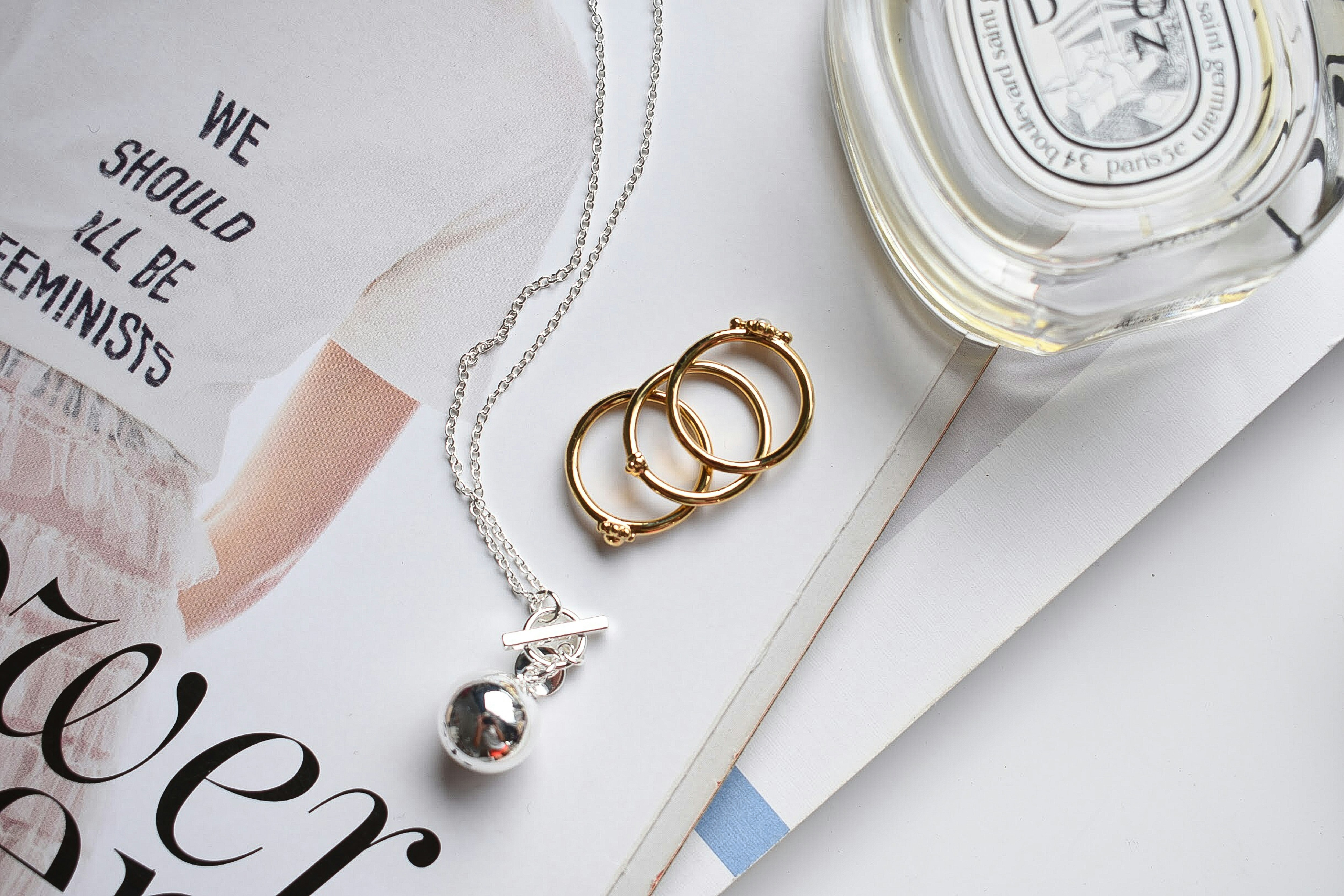
Un t-shirt blanc et un jean sont une toile vierge. Ajoutez un collier en chaine doree et une ceinture en cuir, et soudain c’est une tenue. Echangez la chaine doree contre un foulard en soie noue au cou, et c’est une tenue completement differente. C’est le pouvoir des accessoires : ils sont le moyen le moins cher et le plus efficace en termes d’espace pour transformer des vetements existants en nouveaux looks. La meme chemise blanche peut etre percue comme BCBG, minimaliste, boheme ou sophistiquee — selon entierement ce que vous mettez avec.
Pourtant, les accessoires sont la categorie que la plupart des gens negligent. Les chaussures, les sacs, les bijoux, les ceintures, les foulards et les accessoires pour cheveux sont traites comme des pensees apres coup — la derniere chose qu’on attrape en sortant — plutot que les outils strategiques qu’ils sont reellement. Ce guide couvre les categories principales et comment les utiliser intentionnellement.
Bijoux : l’accessoire le plus personnel
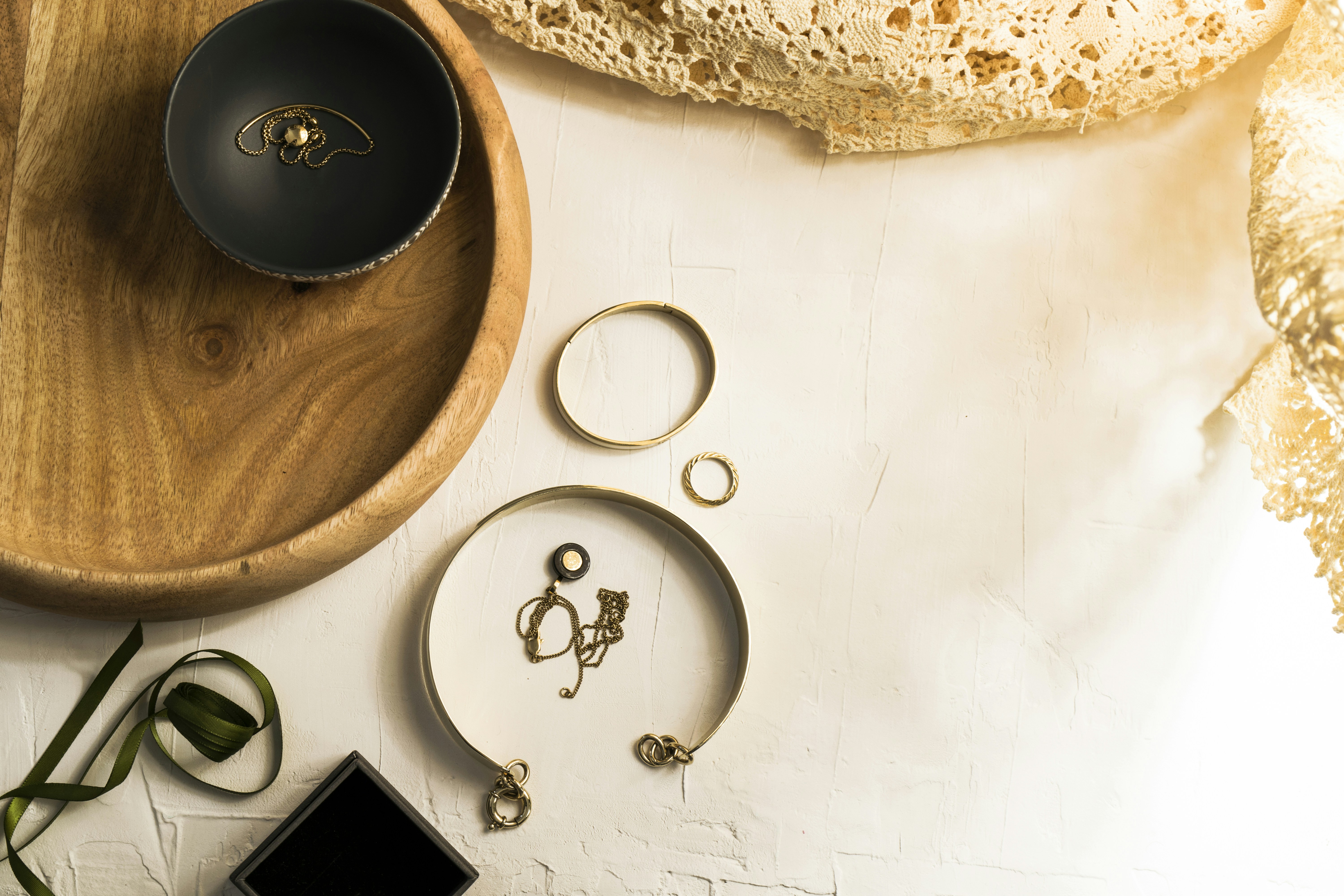
Les bijoux se trouvent le plus pres de votre visage, ce qui signifie qu’ils ont un impact disproportionne. Un collier encadre votre visage. Les boucles d’oreilles attirent l’attention sur vos yeux. Les bagues rendent vos mains intentionnelles. Les bijoux sont aussi la categorie d’accessoires la plus personnelle — les pieces que vous portez quotidiennement deviennent une partie de votre identite visuelle.
La fondation quotidienne
Commencez par des pieces que vous n’enlevez jamais — vos bijoux uniformes du quotidien :
Un collier qui vit sur votre cou. Une chaine delicate, un petit pendentif ou un medaillon simple. Or rempli ou or massif plutot que plaque (il ne ternira pas avec le port quotidien). Choisissez une longueur qui se positionne a l’endroit le plus flatteur sur votre clavicule, generalement 40 a 45 cm.
Une paire de petites boucles d’oreilles. Des dormeuses en or ou argent, des clous simples ou des dormeuses dans lesquelles vous dormez. De minuscules perles, des boules dorees ou des formes geometriques simples sont les plus polyvalentes. Elles doivent etre assez confortables pour oublier que vous les portez.
Une bague ou un bracelet. Un anneau simple, une chevaliere, un jonc fin. Une piece sur la main ou le poignet suffit pour le quotidien. La cle est de choisir quelque chose de leger et confortable.
Ces pieces quotidiennes n’ont pas besoin d’etre cheres. Elles doivent etre assez bien faites pour survivre au port quotidien, y compris pour dormir, se doucher et se laver les mains. L’or rempli ou l’argent sterling est ideal ; le plaque or finira par s’user.
Construire a partir de la
Une fois que vous avez une fondation quotidienne, ajoutez :
Un collier fort. Quelque chose avec de la presence — une chaine epaisse, un pendentif avec du poids, un collier plastron. C’est pour les jours ou vous voulez que le collier soit le point focal de la tenue. Portez-le avec un haut simple — un t-shirt a col rond, un chemisier en soie uni — et laissez le collier faire le travail.
Une paire de boucles d’oreilles elevees. Des anneaux plus grands, des formes sculpturales ou quelque chose avec de l’eclat. Pour le soir, les evenements et les jours ou vous voulez vous sentir un peu plus habille.
Pieces de superposition. Deux ou trois chaines supplementaires de differentes longueurs et poids qui peuvent etre portees seules ou en superposition avec votre collier de fondation. Une chaine a perles, une chaine a maillons et une chaine figaro de differentes longueurs creent texture et profondeur en superposition.
La regle du metal
L’or et l’argent n’ont plus besoin d’etre strictement separes — les metaux melanges sont un look delibere. Mais pour les debutants, choisir un metal (or, argent ou or rose) pour vos pieces quotidiennes simplifie tout. Tous vos bijoux de fondation s’accordent sans reflexion. Une fois a l’aise, melanger les metaux ajoute de la profondeur — une montre en argent avec des bagues en or, par exemple — mais le melange doit sembler intentionnel (repete sur plusieurs pieces) plutot qu’accidentel.
Sacs : la fonction rencontre la forme
Un sac est simultanement un outil pratique et une declaration visuelle. Le bon sac dans la bonne proportion peut definir une tenue autant qu’un blazer. Le mauvais sac — trop grand, trop petit, trop decontracte, trop formel — peut saper un look par ailleurs parfait.
La garde-robe de trois sacs
La plupart des gens ont besoin d’exactement trois sacs :
Le sac de tous les jours (moyen, neutre, mains libres). Un sac bandouliere ou une besace en noir, marron, camel ou marine. Assez grand pour une bouteille d’eau, un parapluie et les essentiels quotidiens. Assez petit pour etre porte confortablement toute la journee. Ce sac doit fonctionner avec tout ce que vous possedez. L’option la plus polyvalente : un sac bandouliere en cuir en marron ou camel moyen.
Le sac de travail ou fourre-tout (grand, structure, soigne). Un cabas ou un sac epaule structure qui peut contenir un ordinateur portable, des documents et une paire de chaussures de rechange. Cuir ou toile epaisse. Ce sac doit paraitre intentionnel et soigne parce que c’est celui que les collegues et les clients voient.
Le petit sac (compact, mains libres, pour les soirees ou evenements). Une pochette, un mini sac bandouliere ou un portefeuille a dragonne. Juste assez grand pour un telephone, des cartes et des cles. Pour les diners, les evenements et les jours ou vous ne voulez rien porter.
Ce qu’il faut rechercher
Qualite du cuir. Le cuir pleine fleur ou fleur corrigee vieillit magnifiquement et dure des decennies. Le cuir veritable est un grade inferieur qui a ete ponce et traite — il ne developpera pas de patine et s’usera plus vite. Si le sac ne specifie pas le grade du cuir, le cuir n’est probablement pas l’argument de vente.
Quincaillerie. Les fermetures a glissiere, les fermoirs et les boucles doivent etre lisses et solides. Testez la fermeture eclair plusieurs fois avant d’acheter. C’est le point de defaillance le plus courant sur les sacs, et une fermeture cassee rend le sac essentiellement inutilisable.
Poids a vide. Un sac lourd avant d’y mettre quoi que ce soit devient vraiment penible a la fin d’une longue journee. Soulevez le sac vide en magasin. S’il semble deja lourd, il ne s’allegera pas.
Doublure. Une doublure interieure foncee rend impossible de trouver quoi que ce soit a l’interieur. Une doublure claire ou contrastante rend le sac nettement plus utilisable au quotidien. Ce petit detail affecte de maniere disproportionnee l’experience quotidienne.
Foulards : l’accessoire le plus polyvalent
Un foulard est l’accessoire le plus polyvalent qui existe. Il peut etre un tour de cou, une attache-cheveux, une ceinture, un accent de sac, un bandeau ou une pochette de costume. Un seul carre de soie dans les bonnes couleurs peut creer une douzaine de looks distincts a partir de la meme tenue.
Les trois types de foulards
Carre en soie (70-90 cm). Le classique. Nouez-le au cou, faites un noeud autour d’une queue de cheval, passez-le dans les passants de ceinture comme une ceinture, attachez-le a l’anse d’un sac ou portez-le comme un bandeau. Un foulard en soie dans des couleurs qui completent votre garde-robe est une piece pour la vie. Les foulards en soie vintage des sites de revente sont souvent de meilleure qualite que les neufs au meme prix.
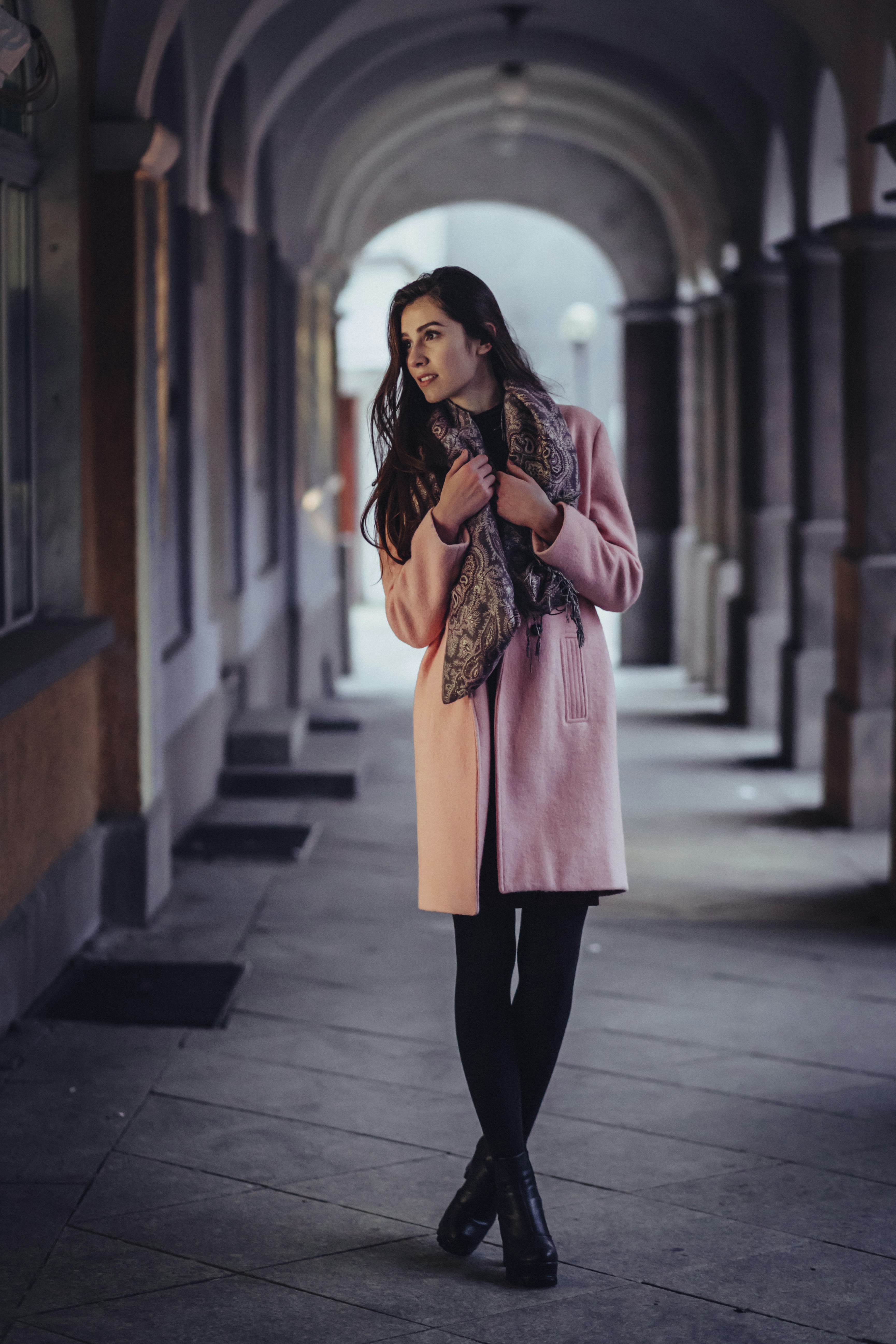
Rectangle en laine ou cachemire (180-200 cm de long). Pour la chaleur pendant les mois plus frais. Enroule une ou deux fois autour du cou, il ajoute de la texture et de la couleur a un manteau d’hiver. Gris, camel ou un ecossais discret est le plus polyvalent.
Bandana en coton ou lin (50-55 cm). Decontracte, compact et infiniment utile. Pliez-le en bandeau, nouez-le autour du cou ou utilisez-le comme une pochette de costume. Un bandana classique coute environ 10 euros et merite sa place dans n’importe quelle garde-robe.
Comment porter un carre de soie
- Le noeud parisien : Pliez le foulard en une bande fine, enroulez une fois autour du cou et nouez sans serrer sur le devant. Portez avec un haut a col rond simple ou un blazer ouvert.
- Le bandeau : Pliez en bande, enroulez autour de la tete et nouez sous les cheveux a la nuque. Cela retient les cheveux en arriere et ajoute un poli instantane.
- L’accent de sac : Nouez le foulard autour d’une anse de votre sac de tous les jours. Le meme sac se coordonne maintenant avec les tenues qui incluent ces couleurs de foulard.
- Le bracelet : Pliez en bande etroite, enroulez deux fois autour du poignet et nouez. Cela fonctionne mieux avec les petits carres de soie (50-55 cm).
- La ceinture : Passez dans les passants de ceinture et nouez sur le cote ou devant. Fonctionne particulierement bien avec les pantalons taille haute et les jeans.
Comment collectionner les accessoires
Les accessoires sont la categorie la plus facile pour les achats impulsifs — ils sont relativement abordables, ils << vont >> toujours et semblent etre une petite indulgence. Mais un tiroir rempli de bijoux fantaisie bon marche qui s’emmelent et se ternissent est moins utile que cinq pieces bien choisies que vous portez constamment.
Achetez moins, achetez mieux. Un carre de soie a 150 euros dans des couleurs que vous aimez sera porte pendant des decennies. Dix foulards en polyester a 15 euros resteront dans un tiroir.
Le vintage et la revente sont vos amis. Les accessoires — en particulier les bijoux, les foulards et la maroquinerie — sont les meilleures categories a acheter en seconde main. Ils ne s’usent pas comme les vetements, et les pieces vintage ont souvent bien plus de caractere que les neuves.
Commencez par la fondation quotidienne et ajoutez une piece par saison. A la fin de deux ans, vous aurez une collection de 8 a 10 pieces qui fonctionnent toutes ensemble et meritent vraiment leur place.
Les accessoires ne sont pas des extras. Ce sont les details qui font que des vetements basiques ressemblent a une tenue reflechie, et ils sont l’element le plus personnel de la facon dont vous vous presentez. Un sac bien choisi, un collier signature et un foulard en soie dans vos couleurs feront plus pour votre style que n’importe quelle nouvelle piece vestimentaire.