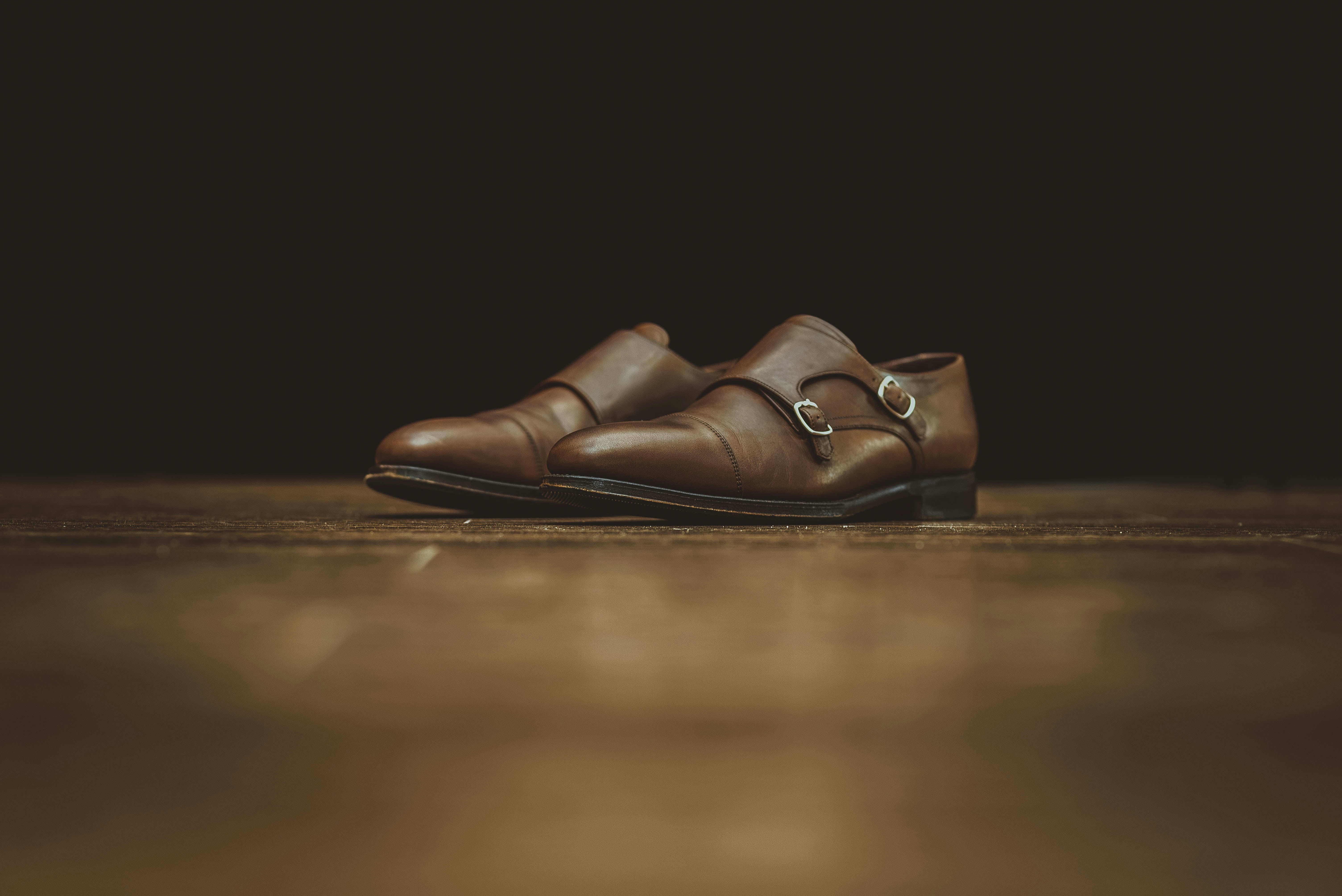
De bonnes chaussures sont un investissement, et comme tout investissement, elles necessitent un entretien pour conserver leur valeur. Une paire de bottes en cuir a 300 euros, correctement entretenue, peut durer une decennie ou plus. Les memes bottes, negligees, pourraient devoir etre remplacees en deux ans. L’economie est simple : vingt minutes d’entretien des chaussures par mois economisent des centaines d’euros en remplacement premature.
L’entretien des chaussures est aussi l’un de ces rituels tranquilles et satisfaisants — comme aiguiser un couteau de cuisine ou nourrir une planche a decouper en bois — qui vous relie aux objets que vous possedez. Voici comment prendre soin de chaque type de chaussures de votre garde-robe.
Les regles universelles
Avant d’entrer dans les soins specifiques aux materiaux, trois regles s’appliquent a toutes les chaussures :
1. Ne portez jamais la meme paire deux jours de suite. Les chaussures absorbent l’humidite de vos pieds tout au long de la journee et ont besoin d’au moins 24 heures pour secher completement. Porter la meme paire quotidiennement ne permet pas aux materiaux de recuperer, ce qui raccourcit considerablement leur duree de vie. Alternez entre au moins deux paires.
2. Utilisez des embauchoirs en cedre. Les embauchoirs en cedre absorbent l’humidite, maintiennent la forme de la chaussure et empechent les plis profonds qui se developpent a travers l’avant-pied. Le cedre desodorise egalement naturellement. Les embauchoirs en plastique preservent la forme mais n’absorbent pas l’humidite. Sans embauchoirs, vos chaussures developperont des plis profonds qui ne peuvent pas etre inverses. Les embauchoirs coutent 20 a 30 euros et prolongent la duree de vie de vos chaussures de plusieurs annees.
3. Traitez les problemes immediatement. Une petite eraflure polie aujourd’hui est invisible. La meme eraflure, laissee pendant des mois et exposee a l’eau et a la salete, devient une cicatrice permanente. Un point lache repris tot est une reparation a deux euros chez le cordonnier. Un point lache ignore devient une semelle decousue qui coute bien plus cher a reparer.
Chaussures en cuir
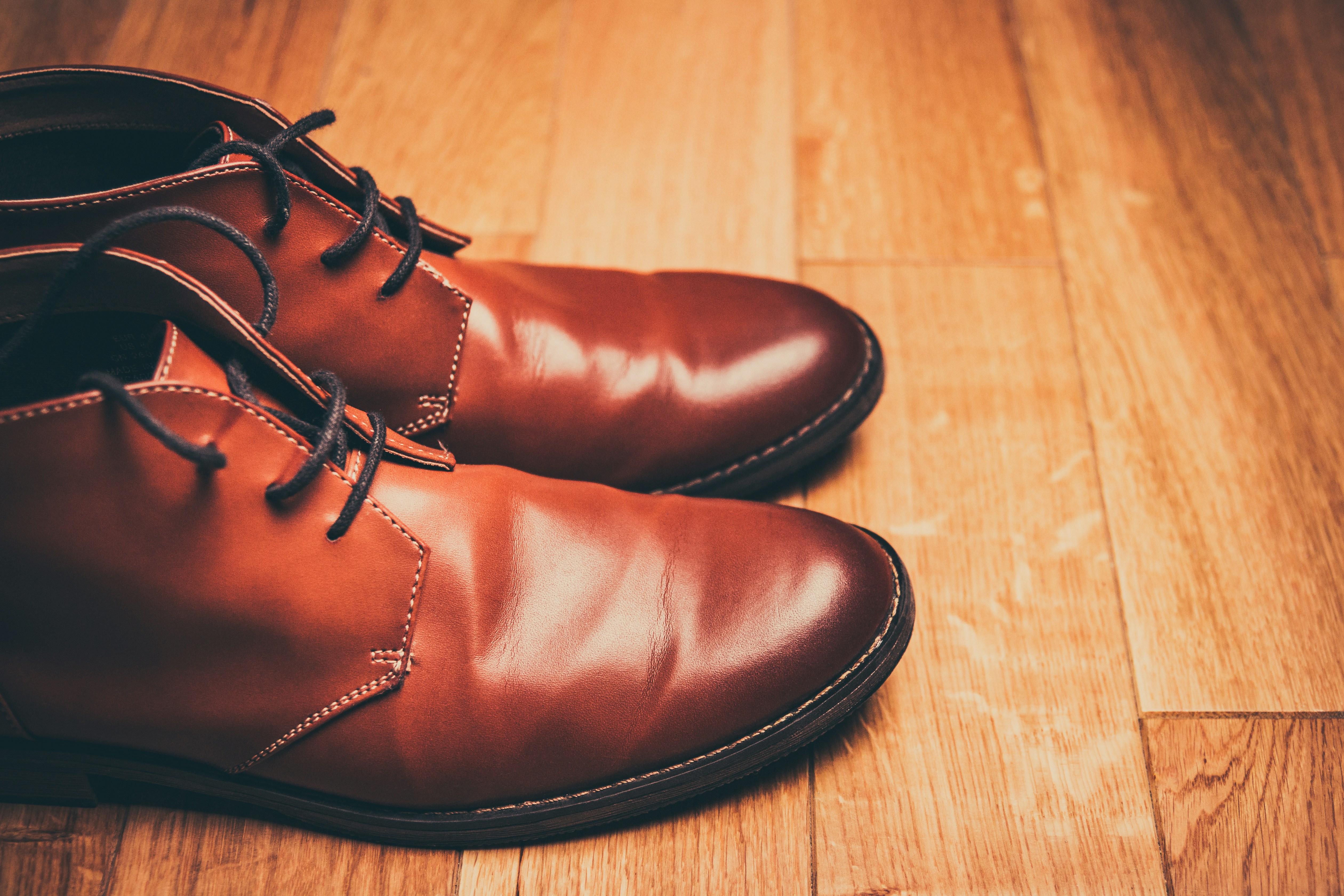
Le cuir est de la peau — il doit etre nettoye, nourri et protege, tout comme votre propre peau. Le cuir neglige se desseche, se craquelle et finit par ceder.
Nettoyage : Apres chaque port, brossez la salete de surface avec une brosse en crin de cheval. Pour un nettoyage plus profond, utilisez un chiffon humide avec une petite quantite de savon glycerine ou de nettoyant pour cuir. Faites mousser le savon, essuyez la salete et laissez les chaussures secher completement avant l’etape suivante.
Nutrition : Le lait nourrissant pour cuir remplace les huiles naturelles que le cuir perd avec le temps, le gardant souple et empechant les craquelures. Appliquez une petite quantite de lait nourrissant avec un chiffon doux, en le faisant penetrer dans le cuir par mouvements circulaires. Laissez absorber pendant 15 a 20 minutes, puis lustrez l’excedent avec un chiffon propre. Nourrissez tous les 3 a 6 mois, ou chaque fois que le cuir semble sec ou raide.
Cirage : Le cirage ajoute de la couleur, de la brillance et une couche protectrice. La creme de cirage nourrit le cuir et offre un eclat doux. La cire offre une brillance plus elevee et une meilleure resistance a l’eau. Appliquez le cirage en fines couches avec un chiffon ou une brosse applicatrice, laissez secher et lustrez avec une brosse en crin de cheval. Pour un brillant miroir sur le bout de la chaussure, appliquez de fines couches de cire avec une petite quantite d’eau, en construisant la brillance progressivement.
Impermeabilisation : Un spray impermeabilisant fournit une barriere supplementaire contre l’humidite. Appliquez apres le cirage et reappliquez tous les quelques mois ou apres une exposition a une forte pluie. Meme le cuir impermeabilise n’est pas completement etanche — si vos chaussures sont trempees, bourrez-les de papier journal, laissez-les secher a temperature ambiante loin
Daim et nubuck
Le daim est du cuir avec une finition veloutee, et il necessite un entretien different du cuir lisse. L’outil principal pour l’entretien du daim est une brosse a daim — une brosse avec des poils doux pour le nettoyage general et un cote granuleux (souvent en laiton ou en caoutchouc) pour enlever les marques et relever le poil.
Entretien quotidien : Brossez le daim apres chaque port avec le cote en poils doux. Un brossage rapide prend 15 secondes et empeche la salete de s’incruster dans les fibres.
Detachage : Pour les taches seches, utilisez une gomme a daim (comme une gomme a crayon, concue pour le daim) pour frotter doucement la marque. Pour les taches humides, tamponnez immediatement avec un chiffon propre — ne frottez pas, cela enfonce la tache plus profondement. Laissez la chaussure secher completement, puis brossez vigoureusement avec le cote granuleux de la brosse a daim pour relever le poil et restaurer la texture.
Protection impermeable : Le daim est plus vulnerable aux degats de l’eau que le cuir lisse. Appliquez un spray impermeabilisant specifique pour daim avant le premier port et reappliquez toutes les quelques semaines pendant les saisons humides. Le spray cree une barriere qui fait perler l’eau et la fait rouler. Les sprays modernes ne decolorent pas le daim — testez d’abord sur une petite zone peu visible si vous etes inquiet.
Toile et tissu
Les baskets en toile et les espadrilles sont les chaussures les plus faciles a nettoyer — et les plus couramment negligees. Une paire de baskets en toile sales donne une allure negligee, quelle que soit la qualite du reste de votre tenue.
Lavage en machine (pour la plupart des baskets en toile) : Retirez les lacets et les semelles interieures. Placez les chaussures dans un sac filet ou une taie d’oreiller pour les proteger pendant le cycle de lavage. Lavez a l’eau froide en cycle delicat avec une petite quantite de lessive. Sechez a l’air libre — ne mettez jamais les chaussures en toile au seche-linge, car la chaleur peut deformer les semelles en caoutchouc et retrecir la toile.
Nettoyage localise : Pour les eraflures et les taches isolees, une pate de bicarbonate de soude et d’eau, appliquee avec une vieille brosse a dents, est remarquablement efficace. Frottez doucement, essuyez avec un chiffon humide et laissez secher.
Entretien de la toile blanche : Un dentifrice blanchissant (pas en gel) applique avec une brosse a dents est un nettoyant efficace et doux pour la toile blanche. Frottez les zones sales, nettoyez avec un chiffon humide et repetez si necessaire.
Cuirs speciaux
Cuir verni : Le cuir verni a une finition laquee brillante qui ne peut pas etre nourrie comme le cuir ordinaire. Nettoyez avec un chiffon humide et une petite quantite de savon doux. Pour les eraflures, une petite quantite de vaseline ou de nettoyant pour cuir verni sur un chiffon doux peut restaurer la brillance. Rangez les chaussures en cuir verni loin des autres chaussures.
Cordovan : Le cuir le plus durable et le plus precieux, fabrique a partir d’une couche specifique de cuir de cheval. Le cordovan necessite un entretien minimal — un brossage apres chaque port et une nutrition occasionnelle avec une creme specifique pour cordovan.
Rangement des chaussures
Rangement a long terme : Nettoyez et nourrissez les chaussures avant de les ranger pour des periodes prolongees. Inserez des embauchoirs en cedre. Rangez dans des sacs a chaussures en tissu (pas en plastique, qui emprisonne l’humidite) dans un endroit frais et sec, a l’abri de la lumiere directe du soleil.
Rangement quotidien : Les chaussures doivent avoir un endroit designe — un porte-chaussures, un casier ou une etagere — avec suffisamment d’espace entre les paires pour qu’elles ne se touchent pas. Empiler les chaussures en tas provoque des eraflures et une usure prematuree.
Quand consulter un cordonnier
Un bon cordonnier peut effectuer des reparations qui prolongent considerablement la duree de vie de vos chaussures : talons uses, semelles usees (un ressemelage coute 40 a 80 euros), coutures laches ou semelles decollees. La relation avec un bon cordonnier merite d’etre cultivee.