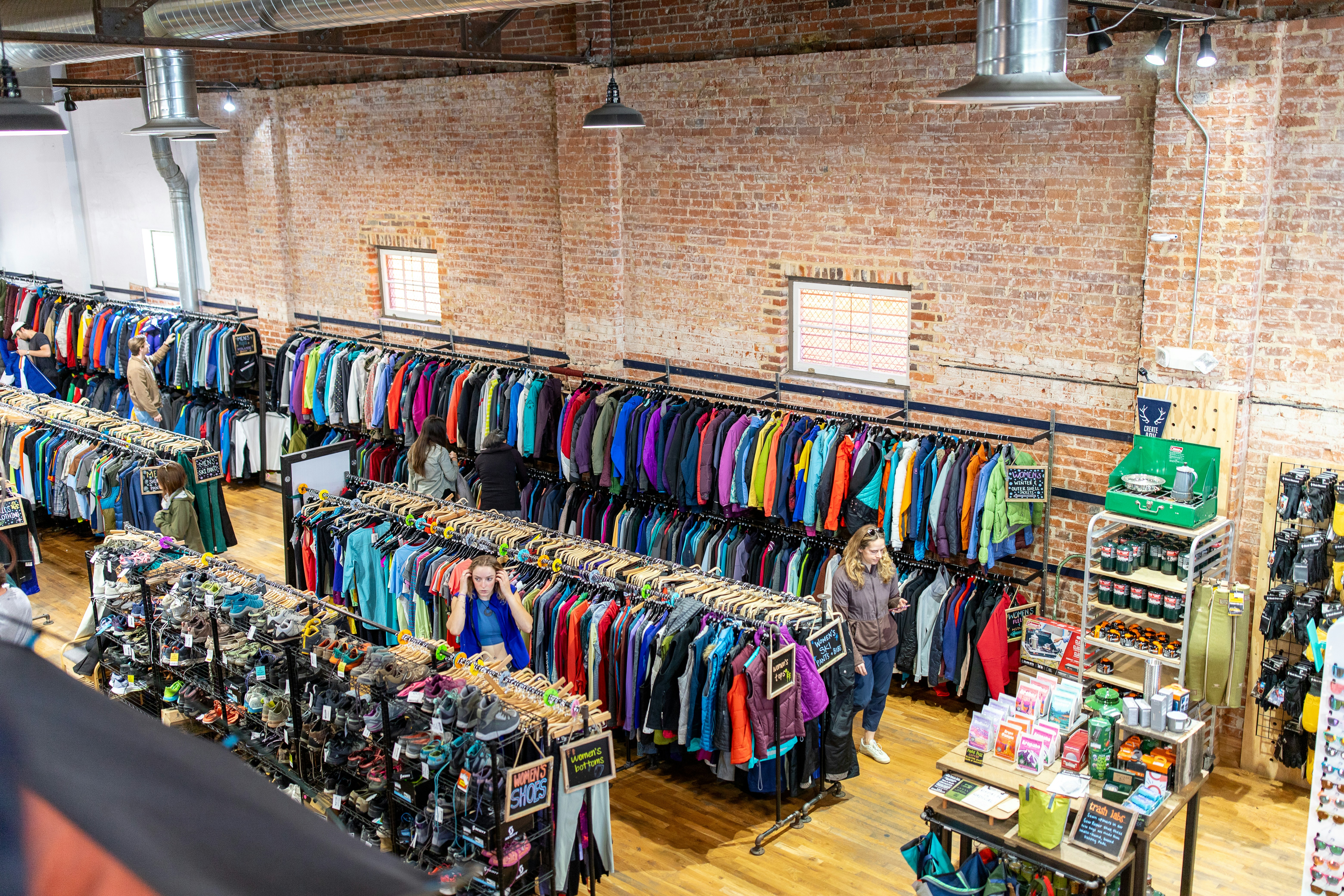
Le shopping vintage et de seconde main est passe d’un loisir de niche a une facon mainstream de construire une garde-robe. Les raisons sont simples : une meilleure qualite pour le prix, des pieces uniques que personne d’autre ne portera, et le benefice environnemental de prolonger la duree de vie d’un vetement plutot que d’en acheter de nouveaux. Certaines des personnes les plus stylées de la mode achetent presque exclusivement en seconde main — pas parce qu’elles y sont obligees, mais parce que le caractere et la qualite des vetements vintage ne peuvent pas etre reproduits par la production de masse.
Mais le shopping vintage exige des competences differentes de celles qu’on utilise pour entrer dans un grand magasin. Vous ne pouvez pas parcourir par taille, vous ne pouvez pas essayer une couleur differente, et l’inventaire change constamment. Voici comment bien le faire.
Ou acheter
Plateformes en ligne
The RealReal : La plateforme de seconde main la plus curatee, axee sur les marques de luxe et de createur. Les articles sont authentifies avant d’etre repertories, ce qui offre plus de confiance que les places de marche generalistes. Les prix sont plus eleves que dans les friperies mais nettement inferieurs au prix de detail. Ideal pour les pieces d’investissement de createur — blazers, sacs, chaussures, bijoux.
Vestiaire Collective : Similaire a The RealReal avec un accent plus europeen et un modele pair-a-pair. Les vendeurs fixent leurs propres prix, ce qui signifie que des bonnes affaires existent mais demandent de la patience. Le processus d’authentification est solide. Ideal pour les marques de createur europeennes et les pieces uniques.
eBay : Le marche de seconde main original et toujours l’un des meilleurs. La fonctionnalite de recherche d’eBay est plus puissante que n’importe quelle plateforme dediee a la mode — vous pouvez filtrer par matiere, marque, epoque, taille et etat. Ideal pour les articles specifiques que vous cherchez (une marque particuliere, une epoque ou un style) et les excellentes affaires aupres de vendeurs particuliers.
Depop et Vinted : Des plateformes pair-a-pair plus decontractees avec une demographie plus jeune. La qualite est plus variable et l’authentification moins robuste, mais les prix sont plus bas et la selection est vaste. Ideal pour les pieces tendance, les marques contemporaines et les vetements decontractes.
Etsy : La meilleure plateforme pour le vrai vintage (plus de 20 ans). Les vendeurs Etsy se specialisent souvent dans des epoques specifiques, et les annonces incluent generalement des mesures detaillees et des notes sur l’etat. Ideal pour le shopping vintage specifique par epoque (robes des annees 1940, vestes en cuir des annees 1970, minimalisme des annees 1990).
Magasins physiques
Boutiques vintage curatees : Elles font le travail de selection pour vous, et la majoration reflete cette curation. Les meilleures ont un point de vue — elles selectionnent pour une esthetique specifique. Les prix sont plus eleves que dans les friperies mais inferieurs a la revente de luxe en ligne. Ideal pour decouvrir des pieces que vous n’auriez pas trouvees seul et essayer avant d’acheter.
Friperies (Emmaüs, Secours Populaire, associations locales) : Les moins curatees et les moins cheres. Trouver un tresor demande du temps et de la persistance — attendez-vous a passer une heure a fouiller pour repartir avec un ou deux articles un bon jour. Allez les matins de semaine quand les rayons reapprovisionnes n’ont pas encore ete fouilles.
Depots-vente : Ces magasins vendent des articles pour le compte de leurs proprietaires d’origine et prennent une commission. La qualite est generalement plus elevee que dans les friperies car les depots rejettent les articles endommages ou de mauvaise qualite. Ideal pour les marques de createur contemporaines et milieu de gamme en bon etat.
Ventes de succession et marches aux puces : Les plus imprevisibles et potentiellement les plus gratifiants. Les ventes de succession vendent le contenu entier d’un foyer, incluant souvent des vetements vieux de plusieurs decennies en excellent etat. Les marches aux puces recompensent l’arrivee tot le matin et les competences en negociation.
Comment evaluer un article de seconde main
La competence la plus importante dans le shopping vintage est d’apprendre a evaluer un vetement rapidement et precisement :
Composition du tissu : Verifiez l’etiquette d’entretien. Les fibres naturelles (laine, coton, soie, lin, cachemire) vieillissent mieux que les synthetiques et valent plus. Un pull en cachemire a 100% avec des bouloches mineures est une meilleure trouvaille qu’un pull en acrylique en etat parfait.
Qualite de construction : Regardez les coutures — sont-elles droites et finies, ou y a-t-il des fils qui depassent ? Verifiez les boutons — sont-ils solidement attaches ? Examinez la doublure — est-elle intacte ? Ces details distinguent les vetements bien faits qui ont des annees de vie devant eux des vetements bon marche qui sont deja en train de se degrader.
Defauts a accepter : Boutons manquants ou desserres (reparation de deux minutes), taches mineures amovibles, ourlets a reprendre, bouloches mineures sur la maille (un rasoir a tissu les enleve en quelques secondes).
Defauts a eviter : Taches sur la soie (presque impossibles a enlever sans endommager le tissu), trous de mites dans la laine, cols ou poignets detendus sur la maille (ne peuvent pas etre restaurés), fermetures eclair cassees (remplacables mais cheres), et toute odeur indiq
Le secret des mesures
Le sizing vintage n’a pratiquement aucun rapport avec le sizing moderne. Un 12 des annees 1960 pourrait equivaloir a un 6 moderne. La seule approche fiable est de connaitre vos mensurations et de les comparer a celles du vetement. Apportez un petit metre ruban quand vous faites du shopping en personne.
Les mesures cles a connaitre : tour de poitrine, tour de taille, tour de hanches, largeur d’epaules et longueur de manche. Notez-les dans votre telephone.
La strategie
Allez avec une liste. Touchez le portant pour reperer votre tissu prefere avant de regarder le style. Achetez la meilleure version disponible, pas la meilleure version du magasin. Negociez respectueusement. Le shopping vintage recompense la patience, la persistance et la volonte de fouiller. La recompense est une garde-robe avec du caractere, de la qualite et de l’histoire.