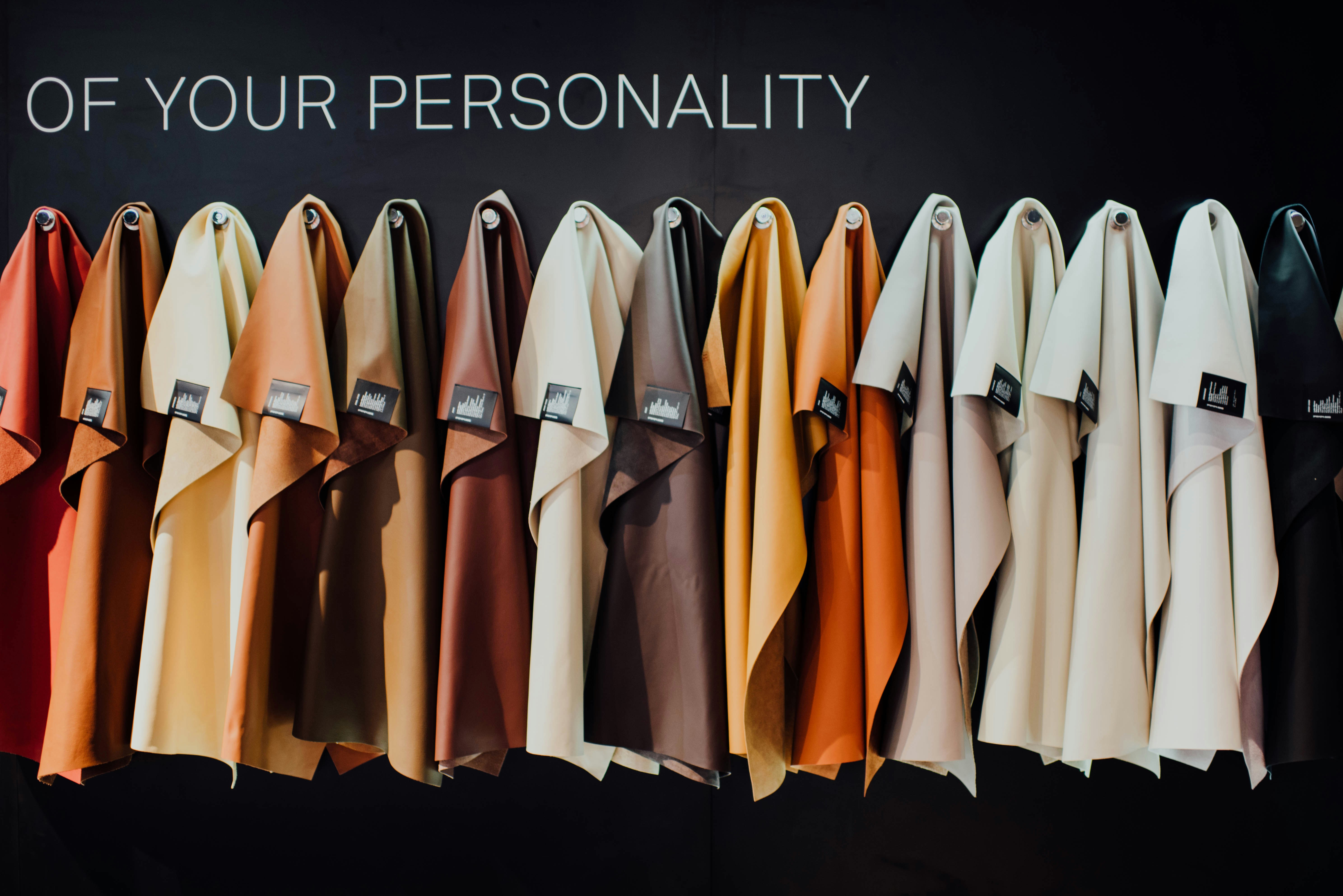
Avant que quiconque n’enregistre la coupe de votre veste ou la marque de vos chaussures, il enregistre la couleur. La couleur est la premiere chose que l’oeil humain percoit, traitee par le cerveau en une fraction de seconde, et elle est porteuse de sens, que vous le vouliez ou non. Une robe rouge communique quelque chose de fondamentalement different d’un tailleur marine, meme si les deux sont impeccablement coupes. Comprendre comment fonctionne la couleur — psychologiquement, culturellement et personnellement — vous donne un outil de presentation de soi intentionnelle qui ne coute rien et transforme la facon dont vous etes percu par les autres.
Comment fonctionne la perception des couleurs
L’association entre couleur et emotion est en partie biologique et en partie culturelle. Le rouge augmente le rythme cardiaque et la pression arterielle — c’est une reponse physiologique, pas une reponse apprise, ce qui explique pourquoi le rouge signifie arret, danger et urgence dans pratiquement toutes les cultures. Le bleu a l’effet inverse, abaissant le rythme cardiaque et favorisant le calme, ce qui explique pourquoi c’est la couleur dominante des logos d’entreprise, des tenues d’hopital et des uniformes de police.
Les associations culturelles se superposent a la biologie. Le blanc signifie la purete et les nouveaux departs dans les cultures occidentales (mariages) mais le deuil et la mort dans certaines parties de l’Asie de l’Est (funerailles). Le noir est sophistique et formel dans les contextes de mode mais associe au chagrin et au deuil dans de nombreuses cultures. Le pourpre etait historiquement la couleur de la royaute parce que la teinture etait si couteuse a produire que seuls les monarques pouvaient se l’offrir — cette association avec le luxe persiste aujourd’hui.
Le message pratique est le suivant : la couleur communique. Choisir quoi porter en fonction de la couleur n’est pas superficiel — c’est une communication efficace.
Les principales couleurs et leurs significations
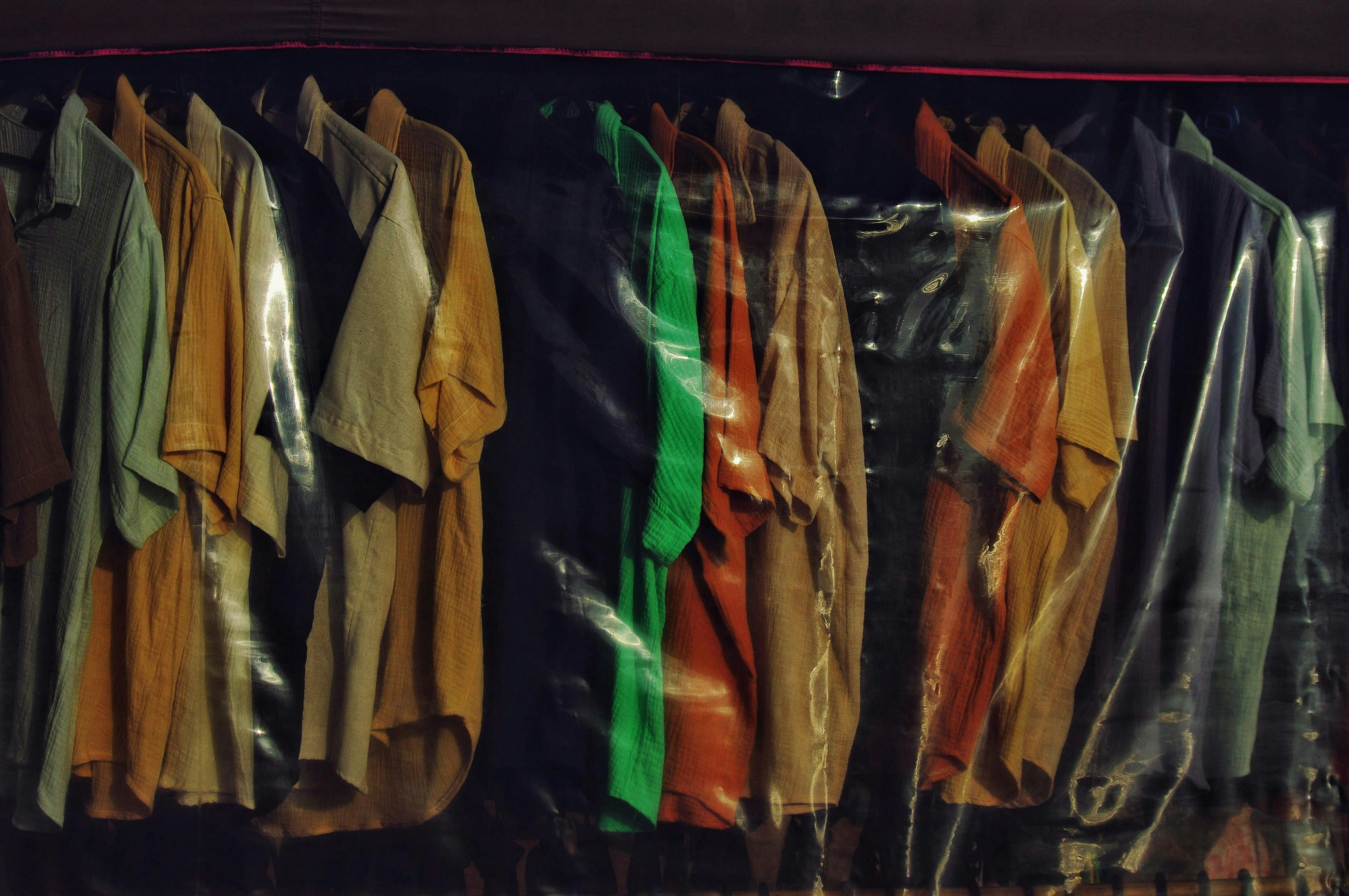
Noir
Effet psychologique : Autorite, sophistication, mystere, pouvoir. Quand le porter : Evenements en soiree, contextes professionnels ou vous voulez projeter de l’autorite, toute situation ou vous voulez avoir l’air soigne sans attirer l’attention sur la couleur elle-meme. Le noir est le choix par defaut pour une bonne raison — il est amincissant, toujours approprie et se lit comme intentionnel. Le risque : Le noir peut etre percus comme severe, inaccessible ou funebre. Adoucissez le total look noir avec des textures variees — un chemisier en soie, un pantalon en laine et des chaussures en cuir, tous en noir, creent de la profondeur par la texture plutot que par la couleur.
Marine
Effet psychologique : Confiance, competence, stabilite, calme. Quand le porter : Entretiens d’embauche, reunions clients, tout contexte professionnel ou vous voulez projeter de la fiabilite plutot que de la dominance. Le marine est la couleur la plus sure dans le vestiaire masculin pour une bonne raison — il est universellement percus comme digne de confiance. Le risque : Le marine peut etre percus comme conservateur ou ennuyeux s’il est porte exclusivement. Cassez-le avec des neutres plus clairs (creme, blanc, gris clair) ou une touche de couleur.
Blanc
Effet psychologique : Proprete, simplicite, fraicheur, nouveau depart. Quand le porter : En ete, lors d’evenements par temps chaud, tout contexte ou vous voulez avoir l’air frais et net. Une chemise blanche est le vetement le plus polyvalent qui existe. Le risque : Le blanc demande beaucoup d’entretien — il montre les taches, necessite un lavage soigneux et peut sembler clinique s’il est porte de la tete aux pieds sans texture ni chaleur.
Rouge
Effet psychologique : Confiance, passion, energie, danger, attirance. Quand le porter : Quand vous voulez etre remarque. Une robe rouge, un rouge a levres rouge ou une cravate rouge attire l’attention comme aucune autre couleur. Des etudes montrent que les hommes comme les femmes sont percus comme plus attirants lorsqu’ils portent du rouge par rapport a d’autres couleurs. Le risque : Le rouge peut etre percus comme agressif ou excessivement sexuel dans des contextes professionnels. Un accessoire rouge (sac, chaussure, echarpe) fournit le boost d’energie sans dominer tout le champ visuel.
Gris
Effet psychologique : Neutralite, equilibre, sophistication, calme. Quand le porter : Tout contexte ou vous voulez projeter une competence tranquille sans la formalite du noir ou du marine. Le gris est le neutre le plus polyvalent — il fonctionne avec toutes les autres couleurs. Le risque : Le gris peut etre percus comme passif, indecis ou fade. Le gris anthracite se lit comme plus autoritaire que le gris clair. La texture est essentielle avec le gris.
Bleu (au-dela du marine)
Effet psychologique : Calme, confiance, intelligence, serenite. Quand le porter : Tenue de tous les jours, contextes decontractes, lieux de travail creatifs. Le bleu clair est percus comme amical et accessible. Le bleu cobalt signale la confiance et la creativite. Le risque : Le bleu est la couleur la plus universellement aimee — il est presque impossible de se tromper avec le bleu. Le seul risque est la surutilisation, qui peut rendre une garde-robe previsible.
Vert
Effet psychologique : Croissance, equilibre, harmonie, nature. Quand le porter : Quand vous voulez projeter le calme, l’accessibilite et une connexion a la nature. L’olive et la sauge sont des neutres polyvalents. Le vert emeraude est associe au luxe et a la richesse. Le risque : Certains verts peuvent etre peu flatteurs contre la plupart des carnations. Restez sur des verts naturels et doux pour les vetements.
Rose
Effet psychologique : Chaleur, feminite, compassion, espieglerie. Quand le porter : Quand vous voulez adoucir votre apparence ou projeter de la chaleur. Le rose est etonnamment polyvalent — un chemisier rose poussiereux sous un blazer marine est professionnel, une robe rose vif est festive. Le risque : Le rose porte de fortes associations de genre dans de nombreuses cultures. Le rose vif se lit comme audacieux ; le rose blush et le rose poussiereux comme doux et accessible.
Marron et camel
Effet psychologique : Chaleur, fiabilite, ancrage, confort.
Quand le porter : Automne et hiver, contextes decontractes et smart-casual. Le camel est le neutre chaud le plus polyvalent — un manteau ou un pull camel fonctionne avec tout.
Le risque : Le marron peut etre percus comme ennuyeux ou depasse. Les marrons riches et chauds (chocolat,
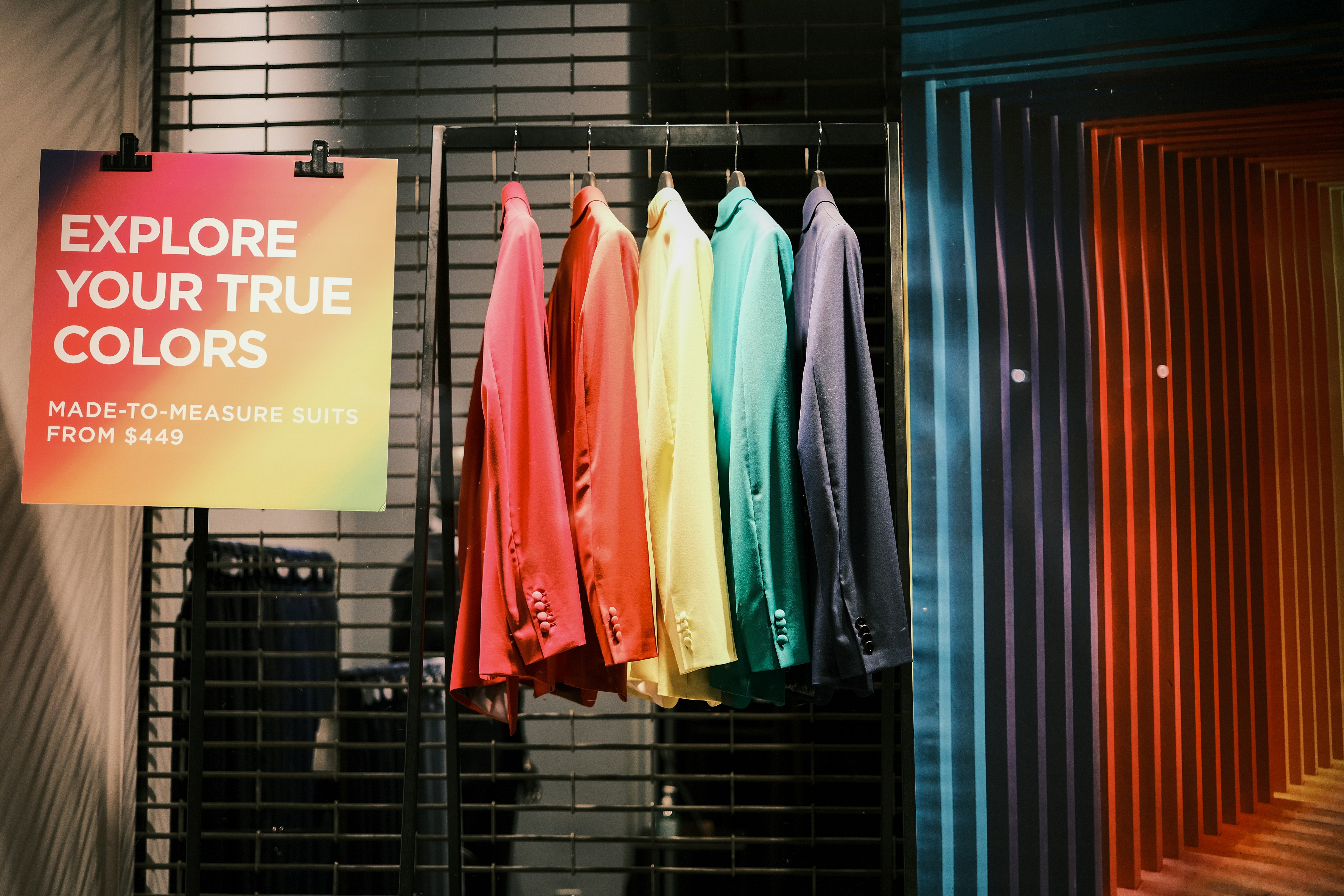
Comment utiliser la couleur strategiquement
Pour les entretiens d’embauche : Marine, gris anthracite ou noir avec une chemise blanche ou bleu clair. Ces couleurs projettent competence et fiabilite sans distraire de ce que vous dites.
Pour les premiers rendez-vous : Des couleurs qui projettent chaleur et accessibilite — bleus doux, roses poussiereux, verts chauds. Evitez le total look noir et le rouge agressif.
Pour les presentations et discours publics : Une couleur audacieuse qui attire le regard vers vous. Un blazer rouge, une robe cobalt ou une echarpe vive contre une tenue neutre.
Pour les conversations difficiles : Des couleurs plus douces et apaisantes — bleu, vert, gris doux. Ces couleurs desamorcent la tension.
Pour les jours ou vous avez besoin de confiance : Portez la couleur qui vous fait vous sentir puissant, quelles que soient les regles. L’effet psychologique de porter une couleur de pouvoir est reel.
Construire une garde-robe coordonnee par la couleur
Choisissez 2-3 neutres qui forment l’epine dorsale de votre garde-robe. Ajoutez 2-3 couleurs d’accent que vous aimez vraiment et qui completent votre carnation. Connectez tout avec votre choix de metallique pour les bijoux et la quincaillerie. L’objectif n’est pas une garde-robe monochrome en beige — c’est une garde-robe ou tout fonctionne ensemble, ou s’habiller prend cinq minutes, et ou les couleurs que vous portez refletent qui vous etes plutot que ce qui etait en solde.