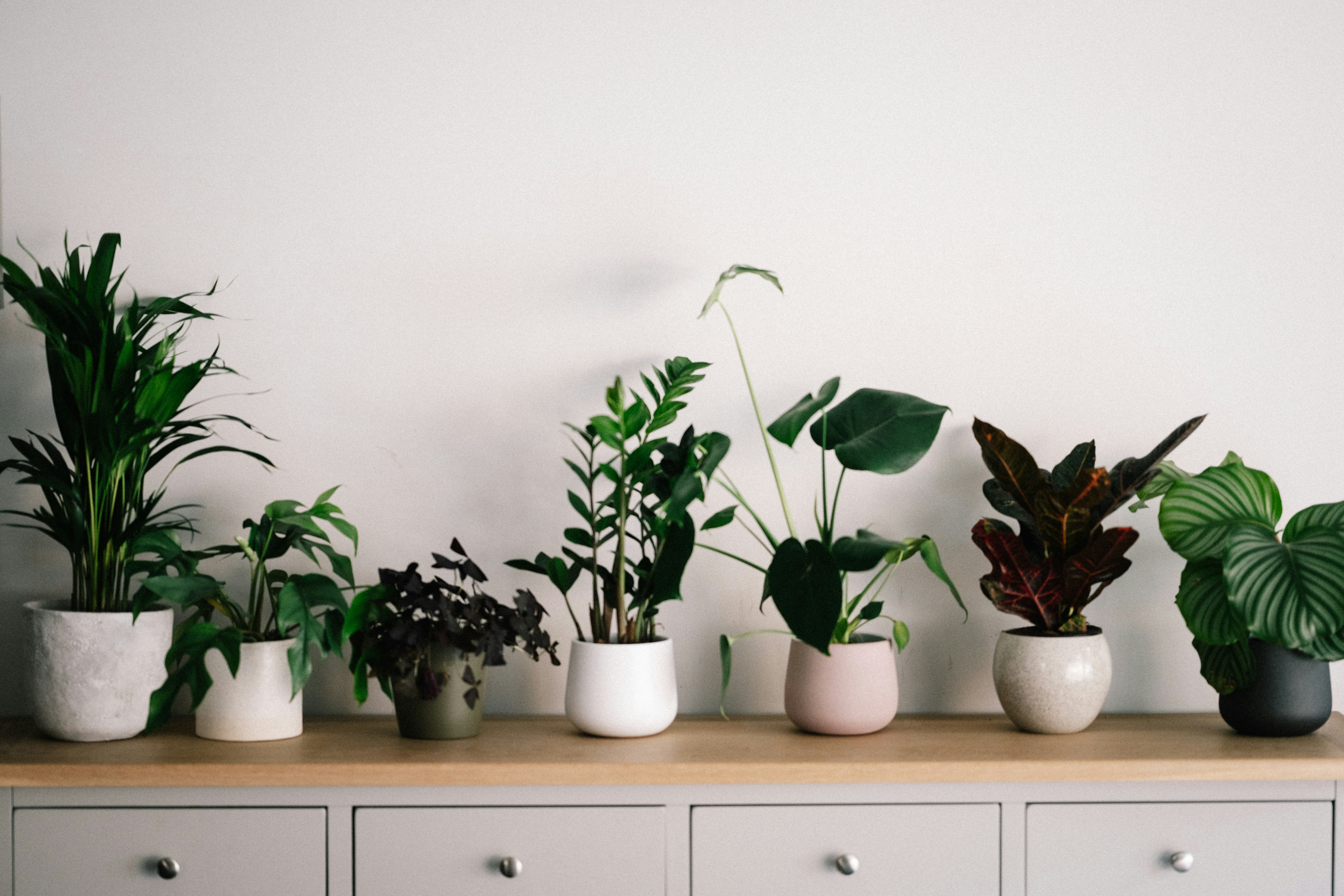
La chose la plus courante que les gens disent a propos des plantes d’interieur est << je tue tout >>. La deuxieme est << je n’ai pas assez de lumiere >>. Ces deux croyances empechent des millions de personnes de decouvrir le plaisir authentique de vivre avec des plantes. La bonne nouvelle : les deux croyances sont generalement fausses. La plupart des gens ne tuent pas les plantes parce qu’ils sont mauvais en soin des plantes — ils tuent les plantes parce qu’ils choisissent des plantes difficiles, ou parce qu’ils les arrosent incorrectement.
L’arrosage — specifiquement l’exces d’arrosage — est la cause de deces de la grande majorite des plantes d’interieur. Plus de plantes meurent de trop d’eau que de pas assez. Comprendre ce seul fait transformera votre taux de reussite.
Voici dix plantes d’interieur authentiquement increvables, classees de la plus facile a la legerement moins facile, avec les soins simples dont chacune a besoin.
1. Plante serpent (Sansevieria / Dracaena trifasciata)
Pourquoi elle est increvable : Les plantes serpent prospèrent dans la negligence. Elles stockent l’eau dans leurs feuilles epaisses et dressees et peuvent passer des semaines — voire un mois — sans arrosage. Elles tolerent la lumiere faible, la lumiere vive, l’air sec et les fluctuations de temperature. Dans certaines regions d’Afrique et d’Asie, elles poussent a l’etat sauvage dans des conditions qui tueraient presque toutes les autres plantes d’interieur.
Lumiere : Faible a vive indirecte. Evitez le soleil direct, qui peut bruler les feuilles. Eau : Toutes les 2 a 4 semaines, seulement quand le sol est completement sec. En hiver, vous pouvez arroser une fois par mois. Entretien special : Aucun, vraiment. Depoussierez les feuilles de temps en temps avec un chiffon humide. Bonus : Les plantes serpent sont parmi les meilleures plantes purificatrices d’air pour la chambre car elles liberent de l’oxygene la nuit, contrairement a la plupart des plantes qui ne liberent de l’oxygene que le jour.
2. Plante ZZ (Zamioculcas zamiifolia)
Pourquoi elle est increvable : La plante ZZ possede d’epaisses rhizomes ressemblant a des pommes de terre qui stockent l’eau et les nutriments, la rendant extraordinairement resistante a la secheresse. Elle peut survivre dans une salle de bains sans fenetre avec seulement de la lumiere fluorescente. Originaire d’Afrique de l’Est, elle s’est adaptee a de longues saisons seches suivies de breves pluies — et elle se comporte toujours comme si la secheresse etait l’etat par defaut.
Lumiere : Faible a vive indirecte. C’est la meilleure plante pour les coins veritablement sombres ou rien d’autre ne pousse. Eau : Toutes les 2 a 3 semaines. Les rhizomes stockent l’eau, donc sous-arroser est bien plus sur que sur-arroser. En cas de doute, n’arrosez pas. Attention : Toutes les parties de la plante sont toxiques si ingerees, alors gardez-la hors de portee des animaux et des enfants.
3. Pothos (Epipremnum aureum)
Pourquoi il est increvable : Le pothos est la liane qui pardonne tout. Il pousse dans l’eau ou la terre, en lumiere faible ou vive indirecte, et s’affaisse visiblement quand il a besoin d’eau — vous donnant un signal clair — puis se redresse en quelques heures apres l’arrosage. C’est l’equivalent vegetal d’un ami fiable qui communique clairement.
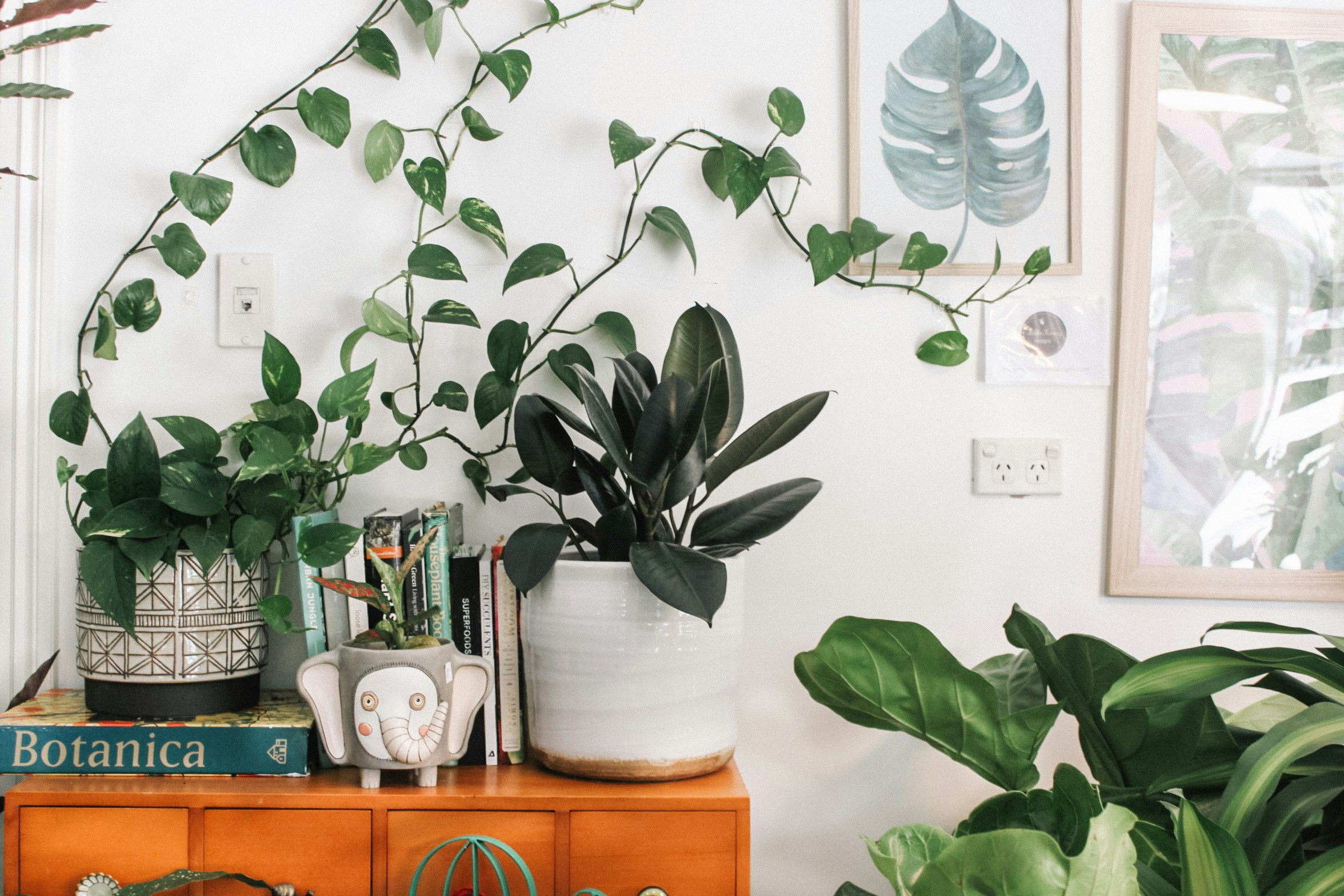
Lumiere : Faible a vive indirecte. Les varietes panachees (Golden Pothos, Marble Queen) ont besoin de plus de lumiere pour maintenir leur panachure. Eau : Toutes les 1 a 2 semaines, quand le premier centimetre de sol est sec. Les feuilles s’affaissent legerement quand il a soif. Conseil d’affichage : Le pothos est plus beau en cascade depuis une etagere ou un panier suspendu, ou palisse sur un tuteur en mousse.
4. Plante araignee (Chlorophytum comosum)
Pourquoi elle est increvable : Les plantes araignees produisent des rejetons (bebes plantes sur de longues tiges) qui peuvent etre coupes et empotes, vous donnant un approvisionnement infini de nouvelles plantes. Elles tolerent la negligence, rebondissent de presque tout et vous diront quand elles sont malheureuses (les pointes brunes signifient generalement trop de fluor dans l’eau ou trop peu d’humidite).
Lumiere : Vive indirecte. Elles tolerent une lumiere plus faible mais poussent plus lentement. Eau : Toutes les 1 a 2 semaines, en gardant le sol legerement humide mais pas detrempe. Bonus : Les plantes araignees sont non toxiques pour les chats et les chiens.
5. Lys de paix (Spathiphyllum)
Pourquoi il est increvable : Les lys de paix sont des reines du drame dans le meilleur sens du terme — ils s’effondrent de maniere spectaculaire quand ils ont besoin d’eau, rendant impossible d’oublier de les arroser, et ils recuperent completement en quelques heures apres un bon arrosage. Un lys de paix qui a l’air completement mort a presque certainement juste soif et revivra dans les 2 a 3 heures suivant l’arrosage.
Lumiere : Faible a vive indirecte. Ils fleurissent davantage en lumiere plus vive. Eau : Quand les feuilles commencent a s’affaisser (generalement toutes les 1 a 2 semaines).
6. Aglaonema (Chinese Evergreen)
Parmi les plus tolerantes aux conditions de faible luminosite et d’arrosage irregulier. Les nombreuses varietes colorees (argent, rose, rouge) ajoutent un interet visuel au-dela du vert basique.
7. Plante en fonte (Aspidistra elatior)
Son nom commun dit tout. La plante en fonte a gagne sa reputation dans l’Angleterre victorienne, ou elle survivait dans des salons sombres chauffes au charbon avec un minimum de soins. C’est une plante a croissance lente — ne vous inquietez pas si elle semble identique mois apres mois.
8. Monstera deliciosa (Plante a fromage suisse)
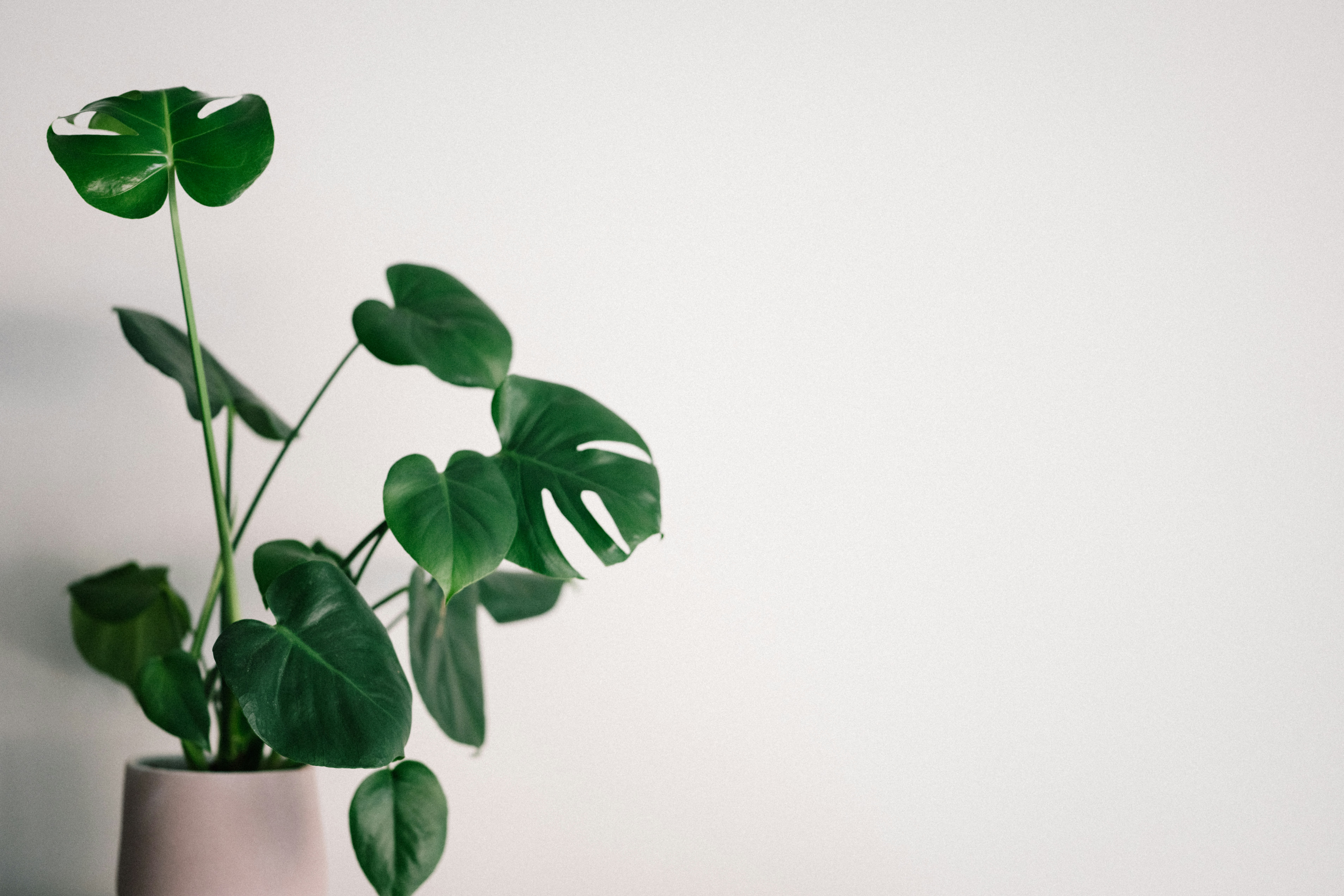
La Monstera est devenue la plante-affiche de la renaissance des plantes d’interieur pour une bonne raison — elle pousse vite, est spectaculaire et etonnamment indulgente. Les trous et fentes caracteristiques des feuilles se developpent a mesure que la plante murit. Elle a besoin de lumiere indirecte vive pour developper ces fentes iconiques et appreciera un tuteur en mousse pour grimper.
9. Figuier elastica (Ficus elastica)
Le moins capricieux de la famille des ficus (qui inclut le figuier lyre, notoirement dramatique). Des feuilles epaisses et cireuses qui retiennent l’humidite. Essuyez les grandes feuilles avec un chiffon humide chaque mois.
10. Aloe vera
L’aloe vera est une succulente, ce qui signifie qu’elle stocke l’eau dans ses feuilles et prefere etre trop seche que trop humide. Elle a aussi des usages pratiques — le gel a l’interieur des feuilles peut etre applique sur les brulures mineures et les irritations cutanees. Arrosez toutes les 2 a 3 semaines, seulement quand le sol est completement sec.
Les regles universelles
Quelles que soient les plantes que vous choisissez, quatre regles s’appliquent a toutes. Le drainage est non negociable — chaque pot doit avoir un trou de drainage. Arrosez abondamment mais peu frequemment — quand vous arrosez, arrosez profondement jusqu’a ce que l’eau sorte par le trou de drainage, puis laissez le sol secher avant d’arroser a nouveau. La lumiere determine tout — les besoins en eau d’une plante sont directement determines par la quantite de lumiere qu’elle recoit. Fertilisez avec parcimonie — la plupart des plantes d’interieur n’ont besoin d’engrais que pendant la saison de croissance, a la moitie de la concentration recommandee.
Commencez avec une plante du haut de cette liste. Vivez avec elle pendant un mois. Quand vous etes pret, ajoutez-en une autre. L’objectif n’est pas une collection de plantes parfaitement organisee — c’est le plaisir tranquille de vivre avec des choses vertes.
Comment diagnostiquer les problemes
Feuilles jaunes : generalement un exces d’arrosage. Bords bruns et craquants : manque d’arrosage ou faible humidite. Croissance etiolee : pas assez de lumiere. Chute de feuilles : changement soudain de temperature. Pas de nouvelle croissance : peut-etre l’hiver (dormance) ou besoin d’engrais.
Entretien saisonnier
Au printemps et en ete (saison de croissance), arrosez plus frequemment, fertilisez une fois par mois et rempotez si besoin. En automne et en hiver (dormance), reduisez considerablement l’arrosage, arretez de fertiliser et eloignez les plantes des fenetres froides. La plupart des plantes d’interieur sont tuees par un exces d’attention en hiver.
Engrais et rempotage
La plupart des plantes d’interieur n’ont besoin d’engrais que pendant la saison de croissance (printemps et ete) et seulement a la moitie de la concentration recommandee sur l’emballage. La sur-fertilisation brule les racines et cause plus de problemes que la sous-fertilisation. Un engrais liquide equilibre pour plantes d’interieur, applique une fois par mois au printemps et en ete, est suffisant pour la plupart des plantes. En automne et en hiver, arretez de fertiliser — les plantes sont en dormance et n’ont pas besoin de nutriments supplementaires.
Le rempotage doit etre fait tous les 1 a 2 ans, ou quand les racines sortent par les trous de drainage. Choisissez un pot de 2 a 5 cm plus large que l’actuel. Le meilleur moment pour rempoter est le printemps, quand la plante entre dans sa periode de croissance active. Signes qu’une plante a besoin d’un rempotage : les racines sortent par les trous de drainage, l’eau traverse le pot sans etre absorbee, la croissance ralentit malgre des soins adequats, ou la plante devient trop lourde en haut et bascule.
Comment choisir sa premiere plante
Si vous n’avez jamais eu de plante d’interieur, commencez par une plante serpent ou un pothos. Ces deux plantes sont incroyablement indulgentes et vous apprendront les bases de l’arrosage et de l’observation de la lumiere sans le stress de voir votre plante mourir a la moindre erreur. Placez-la dans un endroit ou vous la verrez tous les jours — la visibilite encourage l’entretien. Donnez-lui un nom si cela vous aide a vous en souvenir. Verifiez le sol une fois par semaine en enfoncant votre doigt. Arrosez seulement quand c’est sec. En un mois, vous aurez developpe l’habitude la plus importante en soin des plantes : la constance.