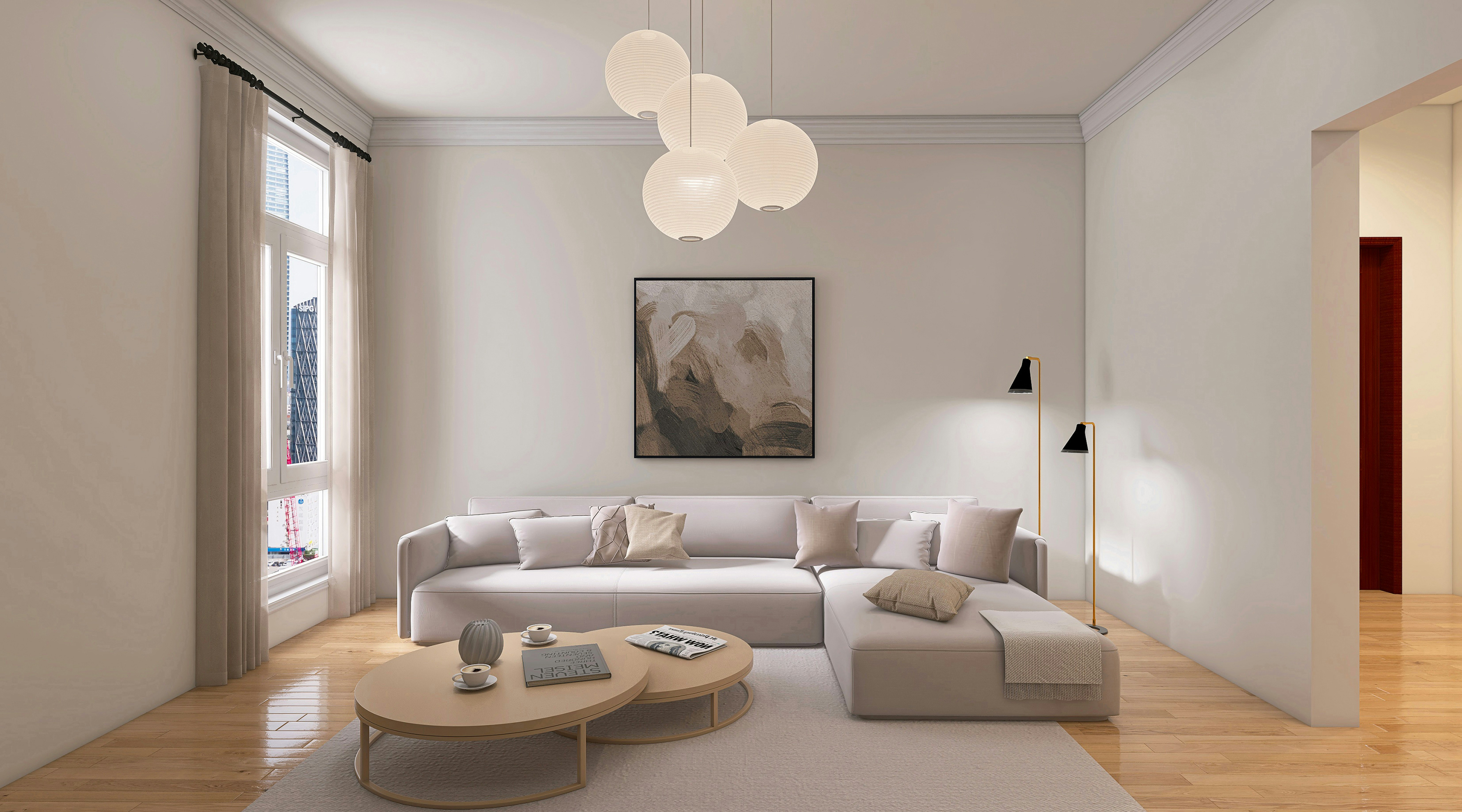
Le minimalisme a un probleme d’image. La version populaire — murs tout blancs, aucun meuble, une seule branche artistiquement placee dans un vase en ceramique — semble froide, invivable et vaguement moralisatrice. Elle implique que les objets que vous aimez sont du desordre et que le confort est un compromis. Cette version du minimalisme a convaincu beaucoup de gens que le minimalisme n’est pas pour eux.
Mais il existe une autre tradition du minimalisme : plus chaleureuse, plus ancienne et ancree dans l’idee qu’une maison doit ressembler a un sanctuaire, pas a une salle d’exposition. Pensez a une maison de the japonaise, un interieur Shaker, un chalet d’ete scandinave ou un appartement parisien bien edite. Ces espaces sont incontestablement minimaux — rien n’est superflu — mais ils sont aussi chaleureux, textures et profondement personnels. Voici le minimalisme qui vaut la peine d’etre poursuivi.
Ce que le minimalisme signifie vraiment
Le minimalisme en design d’interieur est souvent defini par ce qui lui manque : pas de desordre, pas d’exces, pas d’ornementation. C’est le mauvais cadrage. Le minimalisme devrait etre defini par ce a quoi il fait de la place : le calme, la concentration, l’attention et les choses qui comptent vraiment.
L’objectif d’une maison minimaliste n’est pas de posseder le moins possible. C’est de s’entourer uniquement de choses qui meritent leur place — fonctionnellement, esthetiquement ou emotionnellement. Un objet qui vous apporte de la joie chaque fois que vous le regardez n’est pas du desordre, meme s’il ne sert a rien. Un objet que vous gardez par culpabilite, obligation ou inertie est du desordre, meme s’il etait cher.
Cette distinction est liberatrice. Vous n’avez pas a vous debarrasser du vase de votre grand-mere ou de votre collection de bols en ceramique ou de votre etagere de livres bien aimes. Le minimalisme ne consiste pas a posseder moins qu’un certain nombre. Il consiste a ne posseder que des choses que vous avez une raison de garder.
Les principes du minimalisme chaleureux
Principe 1 : L’espace negatif est un materiau
Dans la plupart des maisons, l’espace vide est traite comme une absence a combler. Dans une maison minimaliste, l’espace vide est un element de design delibere. Un mur degage, un coin vide, une surface sans rien dessus — ce ne sont pas des occasions manquees. C’est de l’espace pour respirer. Cela donne a vos yeux un endroit ou se reposer et a vos objets importants l’espace dont ils ont besoin pour etre vus.
La regle pratique : chaque surface ne devrait pas etre occupee a plus de 30% environ. Une bibliotheque a 30% de capacite, avec des objets espaces et entoures de vide, semble curatee. La meme bibliotheque a 90% de capacite semble encombree. Les objets sont les memes — la difference est l’espace autour d’eux.
Principe 2 : La texture remplace l’ornementation
Dans un espace avec moins d’objets, les surfaces comptent davantage. L’interieur minimaliste qui semble froid est generalement celui ou chaque surface est lisse, dure et uniforme. L’interieur minimaliste qui semble chaleureux utilise la texture comme langage decoratif principal : un rideau en lin brut plutot qu’en polyester lisse, une tasse en ceramique faconnee a la main, un plaid en laine a la trame visible, une table en bois au grain apparent, un mur en platre a la variation subtile, un tapis en jute ou en sisal sous les pieds.
Le minimalisme chaleureux s’appuie fortement sur les materiaux naturels — bois, pierre, lin, laine, argile, cuir, papier — parce qu’ils possedent une texture et une variation inherentes que les materiaux manufactures n’ont pas.
Principe 3 : La couleur est restreinte mais presente
Le minimalisme chaleureux ne signifie pas vivre dans une boite blanche. La palette est restreinte — trois a cinq couleurs dans toute une piece — mais ces couleurs sont chaudes, superposees et soigneusement choisies. Une base de blancs chauds, de cremes doux ou de gris chauds pour les murs. Un ou deux tons moyens naturels — bois chaud, cuir camel, argile, vert sauge. Un accent sombre pour la profondeur — anthracite, brun profond ou noir. Et les verts des plantes comme accent vivant.
Principe 4 : Chaque objet est choisi
C’est le principe le plus exigeant et le plus gratifiant. Dans une maison minimaliste, vous ne pouvez pas cacher des objets mediocres parmi beaucoup d’autres. Chaque objet qui reste visible fait une declaration sur ce que vous valorisez. Cela ne signifie pas que tout doit etre cher ou design. Cela signifie que tout devrait etre la intentionnellement. Avant d’apporter quoi que ce soit de nouveau chez vous, demandez : << Cela merite-t-il sa place ? >>
Le guide piece par piece
Le salon
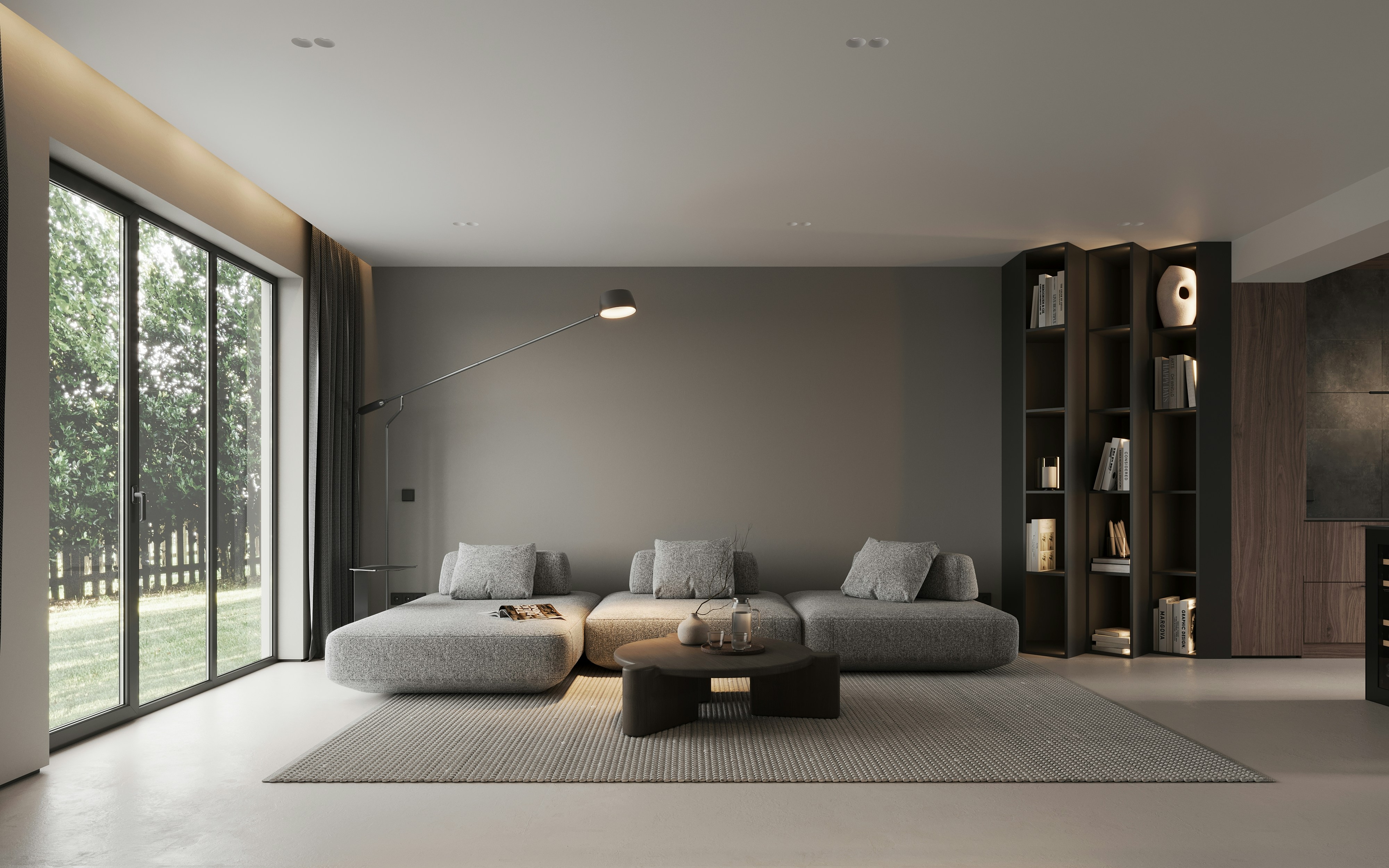
Moins de meubles, de meilleure qualite. Un canape bien fait dans un tissu naturel (lin, velours de coton, laine). Une ou deux tables d’appoint plutot qu’une table basse qui domine le sol. Maximum trois objets par surface. Plusieurs sources de lumiere douce a不同的高度. Une ou deux oeuvres d’art par mur, jamais un mur de galerie.
La chambre
Uniquement des choses qui servent le sommeil et l’habillage. Draps en lin, couverture en laine au pied du lit. Tout range, aucun desordre visible sur les commodes. Les couleurs les plus apaisantes de la maison.
La cuisine
Les plans de travail degages de tout sauf les articles utilises quotidiennement. Chaque placard vide, nettoye et reorganise avec seulement ce qui est utilise. Les doublons elimines. Les gadgets a usage unique liberes.
Comment commencer
Mois 1 : Arretez d’acquerir. Mois 2 : L’edition visible — enlevez tout ce que vous ne trouvez ni beau ni utile. Mois 3 : L’edition en profondeur — tiroirs, placards. Mois 4 : Raffiner — remarquez ce qui manque et ajoutez avec intention. Ce n’est pas un projet avec une ligne d’arrivee. C’est une facon de se rapporter a votre maison qui privilegie le calme, l’intention et le plaisir tranquille d’un espace bien edite.
Le guide piece par piece
Le salon
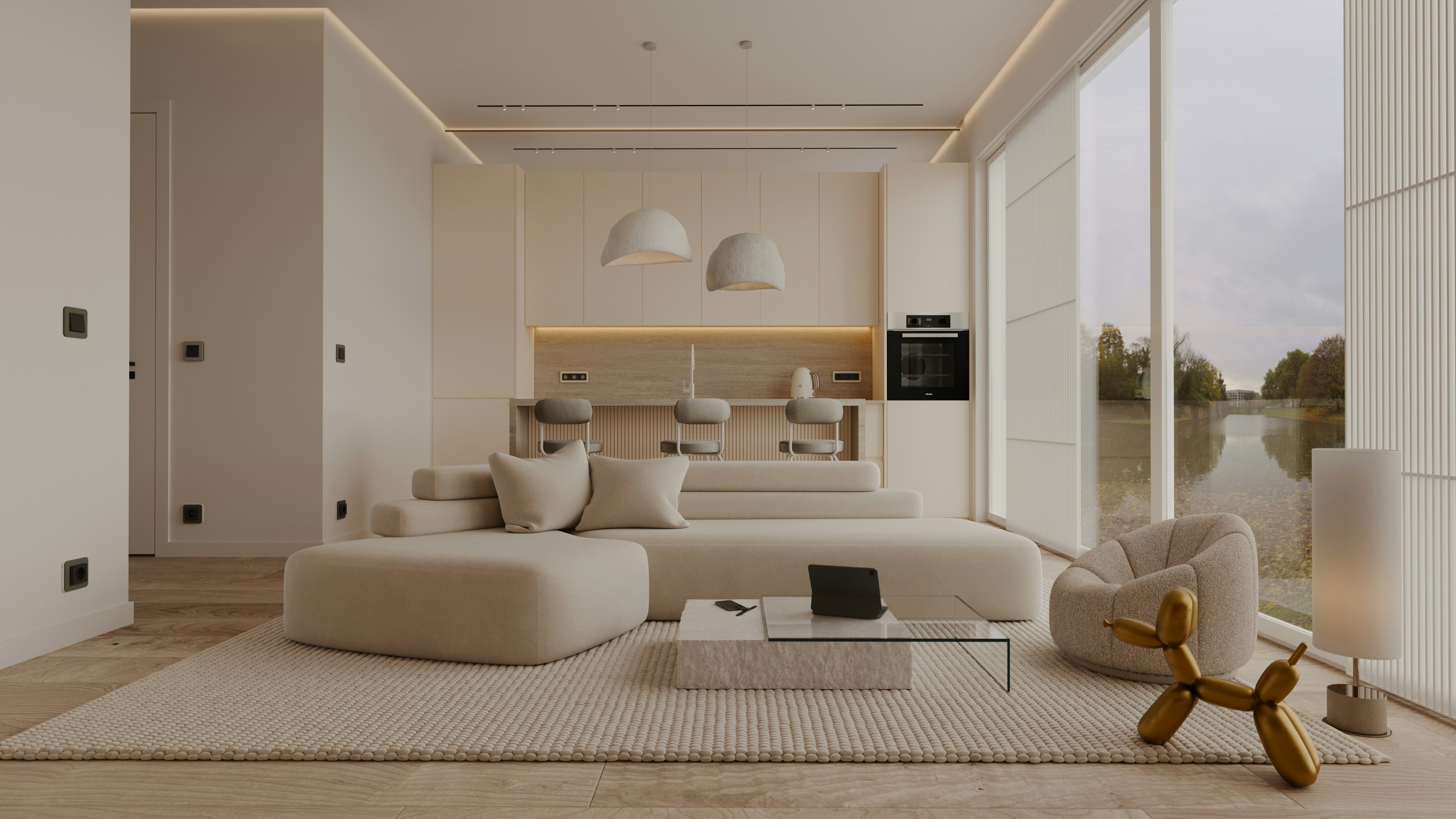
Le salon est l’endroit ou le minimalisme chaleureux a le plus d’impact, car c’est la piece ou vous — et vos invites — passez le plus de temps. Moins de meubles, de meilleure qualite. Un canape bien fait dans un tissu naturel (lin, velours de coton, laine). Une ou deux tables d’appoint plutot qu’une table basse qui domine le sol. Une seule et belle bibliotheque plutot qu’un mur de bibliotheques integrees. L’espace au sol lui-meme est precieux — ne le remplissez pas entierement. Maximum trois objets par surface. Plusieurs sources de lumiere douce a differentes hauteurs. Une ou deux oeuvres par mur, jamais un mur de galerie. L’espace mural autour de l’art est aussi important que l’art lui-meme.
La chambre
Les seules fonctions de la chambre sont le sommeil et l’habillage. Tout ce qui s’y trouve devrait servir l’un de ces deux objectifs. Cela signifie : pas de bureau, pas d’equipement d’exercice, pas de pile de livres que vous allez lire, pas de panier a linge de vetements en attente. Draps en lin (ils deviennent plus doux a chaque lavage), une couverture en laine au pied du lit, une couette en coton. Du linge de lit blanc ou en lin naturel non teint est le choix classique. Tout est range, aucun desordre visible sur les commodes. La chambre devrait etre la piece la plus apaisante de la maison. Pas d’ecrans si vous pouvez gerer.
La cuisine
Les cuisines minimalistes sont les plus difficiles a realiser car les cuisines sont des pieces de travail qui generent du desordre par nature. L’objectif n’est pas une cuisine de magazine — c’est une cuisine ou les choses que vous utilisez sont accessibles et les choses que vous n’utilisez pas ne prennent pas de place. Plans de travail degages de tout sauf les articles utilises quotidiennement. Chaque placard vide, nettoye et reorganise. Vous n’avez pas besoin de six cuilleres en bois. Vous n’avez pas besoin de l’appareil a panini que vous avez utilise deux fois en trois ans. Gardez ce que vous utilisez et ce que vous aimez ; liberez le reste.
Comment commencer
La transition vers une maison plus minimaliste ne se fait pas en un week-end. C’est un processus graduel d’edition, pas une purge. Mois 1 : arretez d’acquerir. Mois 2 : l’edition visible. Mois 3 : l’edition en profondeur. Mois 4 : raffiner. Ce n’est pas un projet avec une ligne d’arrivee. C’est une facon de se rapporter a votre maison — et aux choses qui s’y trouvent — qui privilegie le calme, l’intention et le plaisir tranquille d’un espace bien edite.
Les benefices d’un interieur minimaliste
Au-dela de l’esthetique, un interieur minimaliste apporte des benefices psychologiques tangibles. Moins de desordre visuel signifie moins de charge cognitive — votre cerveau n’a pas a traiter des dizaines d’objets en competition pour votre attention chaque fois que vous entrez dans une piece. Le nettoyage devient plus rapide et plus facile parce qu’il y a moins de surfaces a depoussierer et moins d’objets a deplacer. Et peut-etre le plus important : vous commencez a remarquer et a apprecier les choses que vous avez choisies de garder, parce qu’elles ne sont plus noyees dans le bruit visuel de tout le reste.
Le minimalisme n’est pas une destination
Le minimalisme n’est pas un etat final que vous atteignez un jour et que vous cochez. C’est une pratique continue — une facon de penser a ce qui entre dans votre maison et a ce qui y reste. Chaque saison, chaque changement de vie, chaque nouvelle phase apporte de nouveaux objets et de nouvelles Priorites. Le minimalisme est le processus qui consiste a aligner continuellement votre espace physique sur votre vie reelle, et non sur la vie que vous pensiez avoir ou la vie que vous esperez avoir un jour.