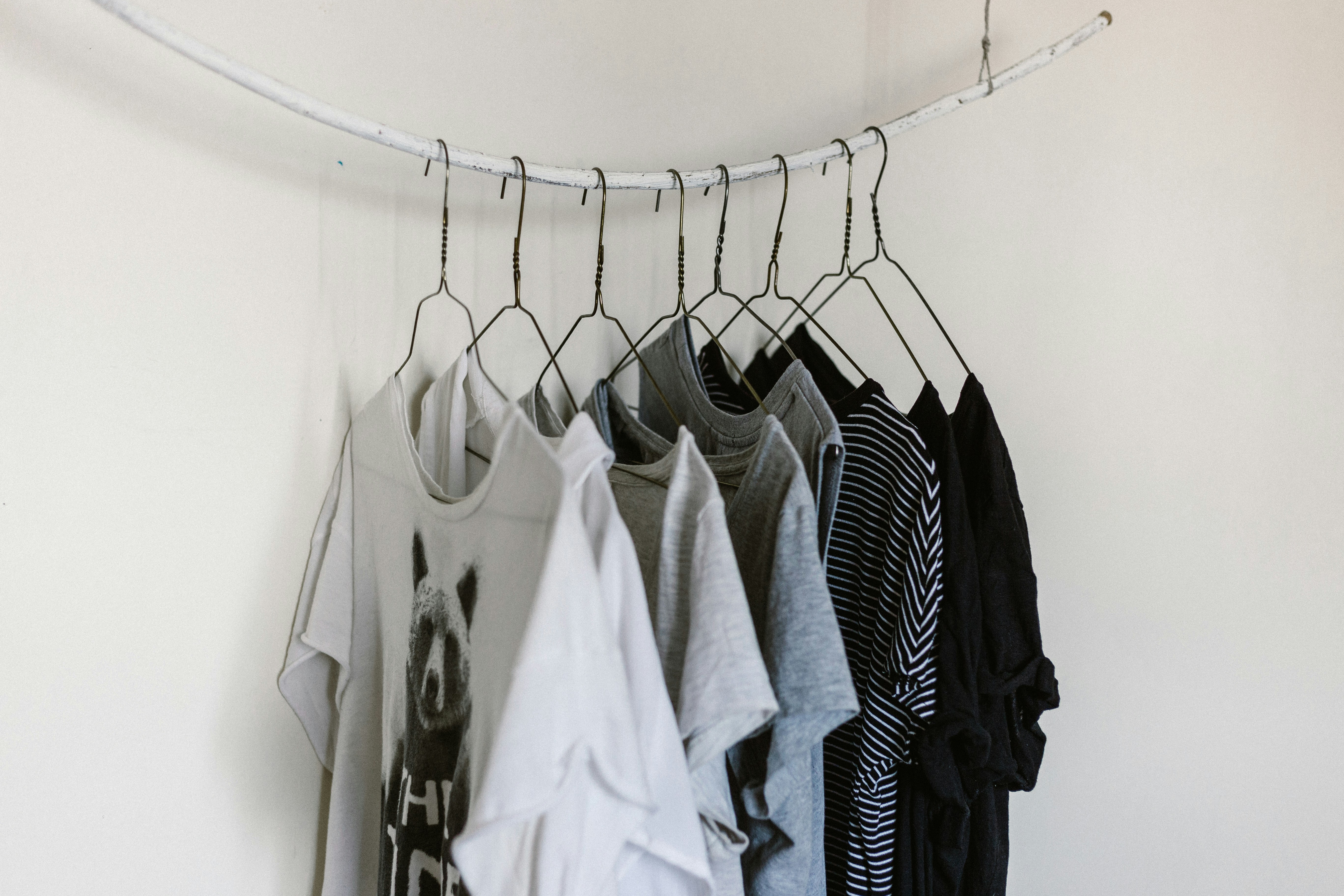
Le defi fondamental de la vie en petit espace n’est pas la superficie en metres carres — c’est le rangement. Quand chaque piece remplit plusieurs fonctions et que chaque surface est precieuse, l’approche standard du rangement (acheter plus de meubles pour contenir plus de choses) echoue rapidement. Vous finissez avec un espace qui ressemble plus a un garde-meuble qu’a un chez-soi.
Le rangement intelligent pour petits espaces ne consiste pas a entasser plus de choses dans le meme espace. Il consiste a identifier l’espace sous-utilise et a le faire travailler plus dur, pour que l’espace visible puisse respirer. Voici les strategies, les systemes et les produits specifiques qui font vraiment la difference.
La philosophie : ranger vers le haut, pas vers l’exterieur
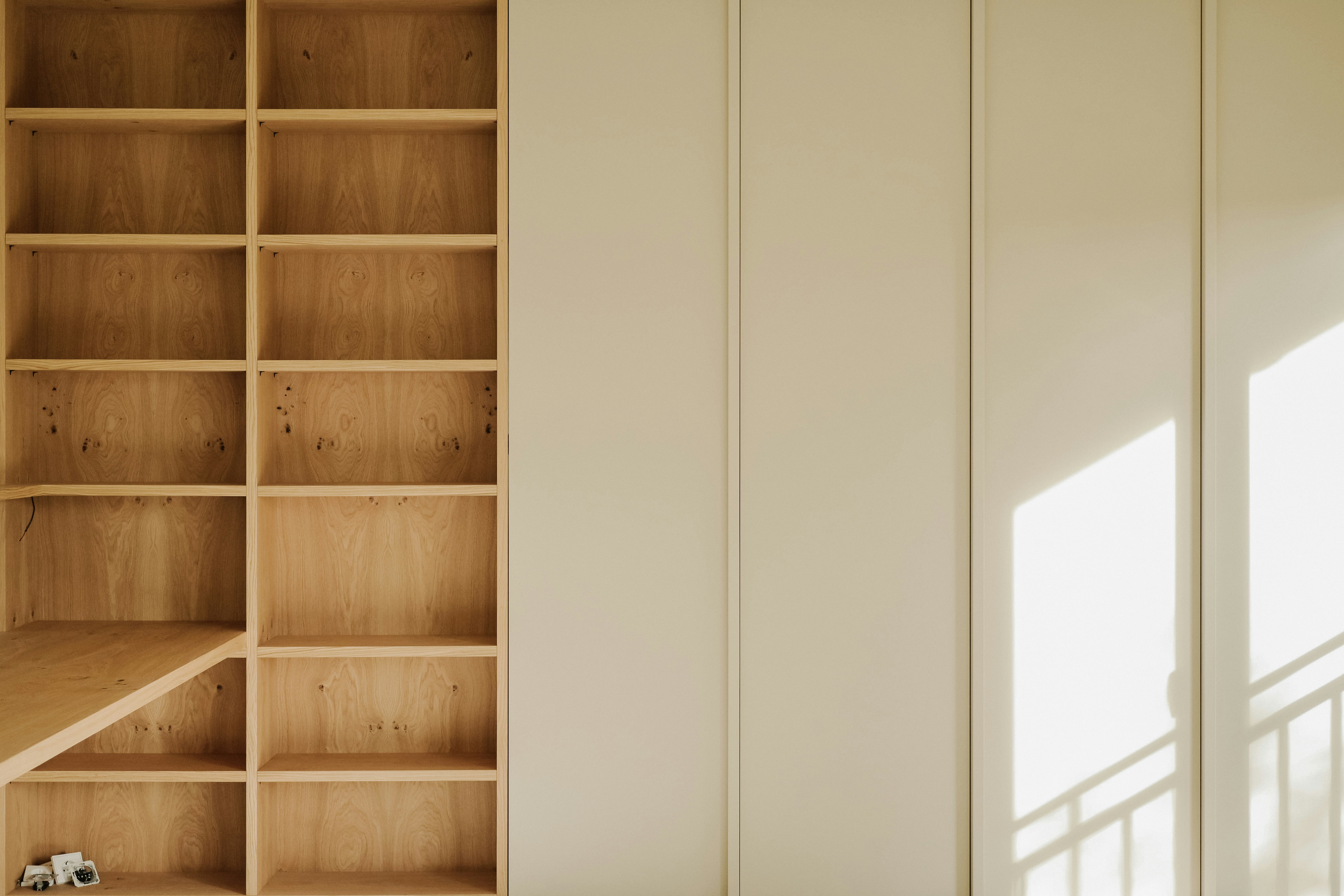
Le principe le plus important du rangement en petit espace : l’espace vertical est presque toujours sous-utilise, tandis que l’espace au sol est presque toujours sur-alloue. La plupart des maisons ont des murs d’air vide au-dessus de la hauteur de la taille. Remplir cet espace vertical avec du rangement — plutot que d’etaler le rangement sur le sol — est le changement le plus impactant que vous puissiez faire.
Ce principe se manifeste de plusieurs facons : des bibliotheques hautes et etroites au lieu de courtes et larges, des etageres murales jusqu’au plafond, des meubles de cuisine qui montent jusqu’au plafond, du rangement suspendu (velos, casseroles, sacs) aux murs et aux plafonds, et des organiseurs de porte qui utilisent l’espace oublie derriere chaque porte. Chaque metre carre de sol que vous liberez donne a votre espace une impression de grandeur et d’ouverture, meme si la capacite de rangement totale est la meme.
Zone 1 : Les espaces maladroits
Chaque petite maison a des espaces maladroits qui semblent inutilisables. Ce sont en realite vos meilleures opportunites de rangement.
Sous le lit
C’est le plus grand volume de rangement facilement accessible dans la plupart des chambres, et il est generalement rempli de poussiere. Des sacs de rangement sous vide pour les vetements hors saison compriment les textiles volumineux au quart de leur volume. Des tiroirs roulants sous le lit sur roulettes se glissent facilement et peuvent contenir chaussures, accessoires ou linge de maison supplementaire. Un cadre de lit avec tiroirs integres peut remplacer une commode entiere dans certains cas.
L’espace au-dessus des placards
Les meubles de cuisine qui s’arretent a 30-60 cm du plafond creent un piege a poussiere et gaspillent un volume de rangement precieux. Utilisez des paniers ou boites assortis pour que l’effet visuel soit intentionnel plutot que chaotique. Etiquetez tout — vous ne vous souviendrez pas de ce qui s’y trouve dans trois mois.
Derriere les portes
L’arriere de chaque porte de votre maison est un espace vertical inutilise. Les organiseurs de porte existent en configurations pour chaussures (poches transparentes, 12-18 paires), articles de garde-manger et epices, produits de nettoyage, articles de toilette et accessoires (echarpes, ceintures, chapeaux, sacs). La cle : choisissez des organiseurs qui correspondent a la couleur de la porte pour qu’ils se fondent dans le decor.
Les coins
Les coins dans les petites pieces sont notoirement difficiles a utiliser. Des etageres d’angle s’inserent en diagonale dans le coin. Un bureau d’angle pour un coin bureau a domicile. Un meuble d’angle dans la cuisine avec un plateau tournant ou un mecanisme coulissant rend le coin profond accessible.
Zone 2 : Les meubles a double usage
Dans un petit espace, un meuble qui ne fait qu’une chose est un luxe. Les meilleurs meubles pour petits espaces remplissent au moins deux fonctions. Un pouf de rangement avec un dessus amovible range des couvertures, des oreillers ou des articles hors saison a l’interieur. Une table extensible qui accueille quatre personnes mais s’etend a huit. Un lit escamotable qui se replie dans le mur ou dans un meuble pendant la journee. Des tables gigognes qui prennent l’empreinte d’une seule table mais offrent trois surfaces separees en cas de besoin.
Zone 3 : La cuisine
Les cuisines des petites maisons sont generalement l’espace le plus contraint en matiere de rangement. La cle est de faire sortir les choses du plan de travail et de les mettre sur les murs, les plafonds et les espaces caches. Une barre magnetique a couteaux au mur au lieu d’un bloc a couteaux sur le plan de travail. Un porte-casseroles au plafond ou une plaque perforée murale pour les casseroles, poeles et ustensiles. Une tringle de tension sous l’evier pour suspendre les flacons pulverisateurs. Des contenants empilables transparents pour les articles de garde-manger. Des separateurs de tiroir pour ranger les ustensiles verticalement.
Zone 4 : La salle de bain
Les petites salles de bain beneficient d’une armoire a pharmacie encastree dans le mur, d’etageres au-dessus des toilettes, de paniers de douche sur tige de tension et de bandes magnetiques a l’interieur des portes de meuble pour les petits objets metalliques.
Avant tout : desencombrer
Aucune de ces solutions de rangement n’a d’importance si vous stockez des choses dont vous n’avez pas besoin. La strategie la plus efficace pour les petits espaces est de posseder moins. Avant de mettre en oeuvre un systeme de rangement, videz tout, triez en trois piles (garder, stocker, liberer) et ne remettez en place que la pile garder. Un petit chez-soi avec des affaires soigneusement editees et un rangement intelligent semble spacieux et calme.
Zone 2 detaillee : Les meubles a double usage
Dans un petit espace, un meuble qui ne fait qu’une chose est un luxe. Les meilleurs meubles pour petits espaces remplissent au moins deux fonctions. Un pouf de rangement avec un dessus amovible range des couvertures, des oreillers, des jeux ou des articles hors saison a l’interieur. Il fonctionne comme repose-pieds, siege d’appoint et table basse (avec un plateau sur le dessus) — tout en cachant ce qui se trouve a l’interieur. C’est l’achat de meuble-rangement au meilleur rapport qualite-prix pour la plupart des petits salons.
Une table extensible qui accueille quatre personnes mais s’etend a huit, ou une table console qui se deplie en table a manger, ou une table basse qui monte a hauteur de bureau. Ces pieces coutent plus cher que leurs equivalents a usage unique mais peuvent eliminer completement le besoin d’une table a manger ou d’un bureau separes.
Un lit escamotable ou lit mural qui se replie dans le mur ou dans un meuble pendant la journee transforme une chambre en salon ou en bureau a domicile. Les lits escamotables modernes sont nettement mieux concus que leurs predecesseurs du milieu du siecle et peuvent inclure des etageres integrees, des bureaux ou des canapes utilisables quand le lit est range. Ils representent un investissement, mais ils peuvent faire fonctionner un studio comme un deux-pieces.
Des tables gigognes — un ensemble de deux ou trois tables qui s’emboitent les unes dans les autres — prennent l’empreinte d’une seule table mais offrent trois surfaces separees en cas de besoin. L’une des solutions les plus simples et les plus flexibles pour les petits espaces.
La fondation du desencombrement
Aucune de ces solutions de rangement n’a d’importance si vous stockez des choses dont vous n’avez pas besoin. La strategie la plus efficace pour les petits espaces est de posseder moins. Avant de mettre en oeuvre un systeme de rangement, videz tout de l’espace que vous organisez, triez en trois piles (garder — utilise au cours des 6 derniers mois, stocker — saisonnier ou sentimental, et liberer — pas utilise depuis plus d’un an), ne remettez en place que la pile garder, puis implementez les solutions de rangement qui servent ces articles. Un petit chez-soi avec des affaires soigneusement editees et un rangement intelligent semble spacieux et calme. Commencez par la zone qui vous derange le plus. Mettez en oeuvre une solution. Vivez avec pendant une semaine avant de passer a la suivante.
Des solutions de rangement specifiques pour chaque piece
Dans l’entree : un porte-manteau mural libere l’espace au sol tout en gardant les manteaux et sacs accessibles. Dans la chambre : des organisateurs de tiroir divisent l’espace et permettent de ranger les vetements verticalement (comme des dossiers) plutot qu’empiles — un tiroir divise peut contenir significativement plus qu’un tiroir non divise. Dans le salon : un meuble televiseur avec rangement ferme cache les cables, les consoles de jeu et le desordre electronique. Dans le couloir : une bibliotheque etroite (20-25 cm de profondeur) offre du rangement sans entraver le passage.
Le rangement intelligent en petit espace, bien fait, n’est pas un projet unique — c’est un systeme evolutif qui s’adapte a mesure que vos besoins changent. L’objectif est un chez-soi qui soutient votre vie reelle, pas celle qu’un catalogue imagine que vous devriez avoir.