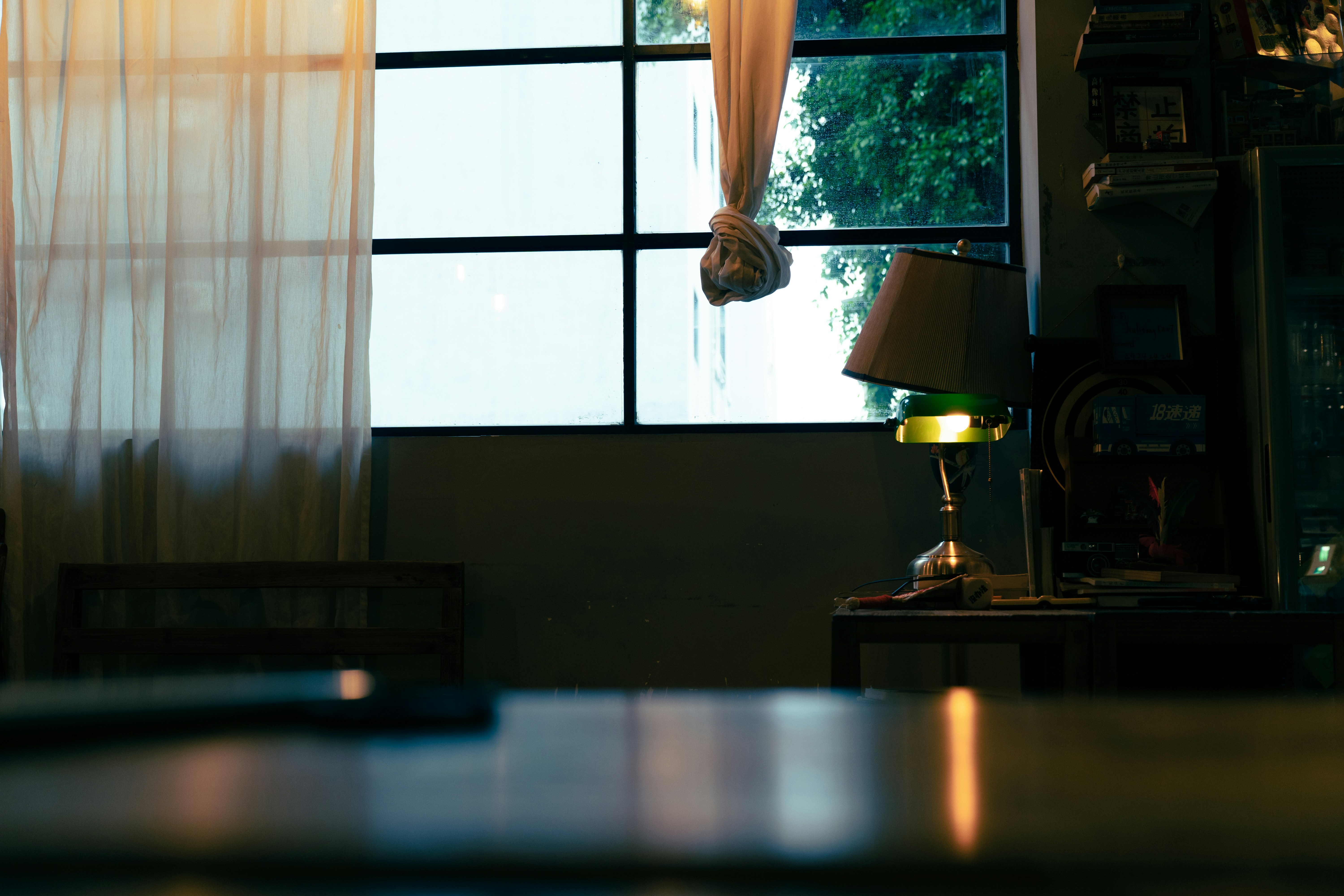
Le coin lecture est l’un des projets les plus satisfaisants de la maison en petit espace. Il ne necessite ni renovation, ni gros budget, ni piece dediee. Il ne demande rien de plus qu’un coin, une chaise, une bonne lumiere et la volonte de revendiquer cet espace pour le but specifique de s’asseoir avec un livre. Le retour sur investissement est disproportionne : un coin lecture bien installe devient l’un des endroits les plus utilises et les plus aimes de n’importe quelle maison.
Ce guide couvre tout ce dont vous avez besoin pour creer un coin lecture — du choix du bon emplacement a la selection du mobilier, de la lumiere et des couches textiles qui font qu’un coin ressemble a une destination.
Etape 1 : Trouvez le bon emplacement
La premiere decision, et la plus importante, est l’emplacement. Un coin lecture n’a pas besoin d’etre grand, mais il doit sembler separe du flux d’activite de votre maison. Le pire coin lecture possible est une chaise placee au milieu d’un couloir passant ou vous serez constamment distrait.
Emplacements ideaux, par ordre de preference : un coin du salon pres d’une fenetre (la lumiere naturelle est ideale pour la lecture de jour), une alcove ou une baie vitree sous-utilisee (si votre maison a un renfoncement architectural, c’est deja un demi-coin lecture), un palier ou un large couloir (l’espace en haut d’un escalier est souvent sous-utilise), un coin de chambre (ideal pour la lecture du soir). A eviter : les sous-sols sans lumiere naturelle, les coins directement a cote des televisions et tout emplacement ou l’on entend le bruit de la cuisine.
Etape 2 : Choisissez la chaise
La chaise est le meuble le plus important d’un coin lecture. Elle doit etre assez confortable pour des sessions de plusieurs heures et offrir un soutien des bras pour tenir un livre. Ce qu’il faut rechercher : des accoudoirs (non negociables), une profondeur d’assise d’environ 50-60 cm, une hauteur de dossier d’environ 90-100 cm, un tissu que vous avez envie de toucher (velours, laine, lin ou cuir vieilli). Recommandations : IKEA STRANDMON (299 euros, le meilleur rapport qualite-prix), un fauteuil club vintage (100-500 euros en seconde main, souvent de meilleure qualite qu’un neuf a deux fois le prix), un fauteuil papasan (150-300 euros, le fauteuil ultime pour se pelotonner).
Etape 3 : Reglez l’eclairage
La lumiere de lecture doit etre assez brillante pour lire sans fatigue oculaire et assez chaude en temperature de couleur pour etre douillette. La configuration ideale : un lampadaire ou une applique murale orientable placee a cote ou derriere la chaise, projetant la lumiere directement sur la page depuis le dessus et legerement derriere votre epaule. Ce qu’il faut rechercher : une tete ou un bras orientable, une temperature de couleur chaude (2700K-3000K), un variateur ou au moins deux niveaux de luminosite. Recommandation : le lampadaire IKEA RANARP (49 euros).
Etape 4 : Ajoutez une surface
Vous avez besoin d’un endroit pour poser votre cafe, votre the ou votre pile de livres en cours. Une petite table d’appoint est ideale — hauteur approximativement au niveau de l’accoudoir, assez grande pour une tasse et un livre. Une table en C est particulierement efficace pour les coins etroits.
Etape 5 : Superposez les textiles
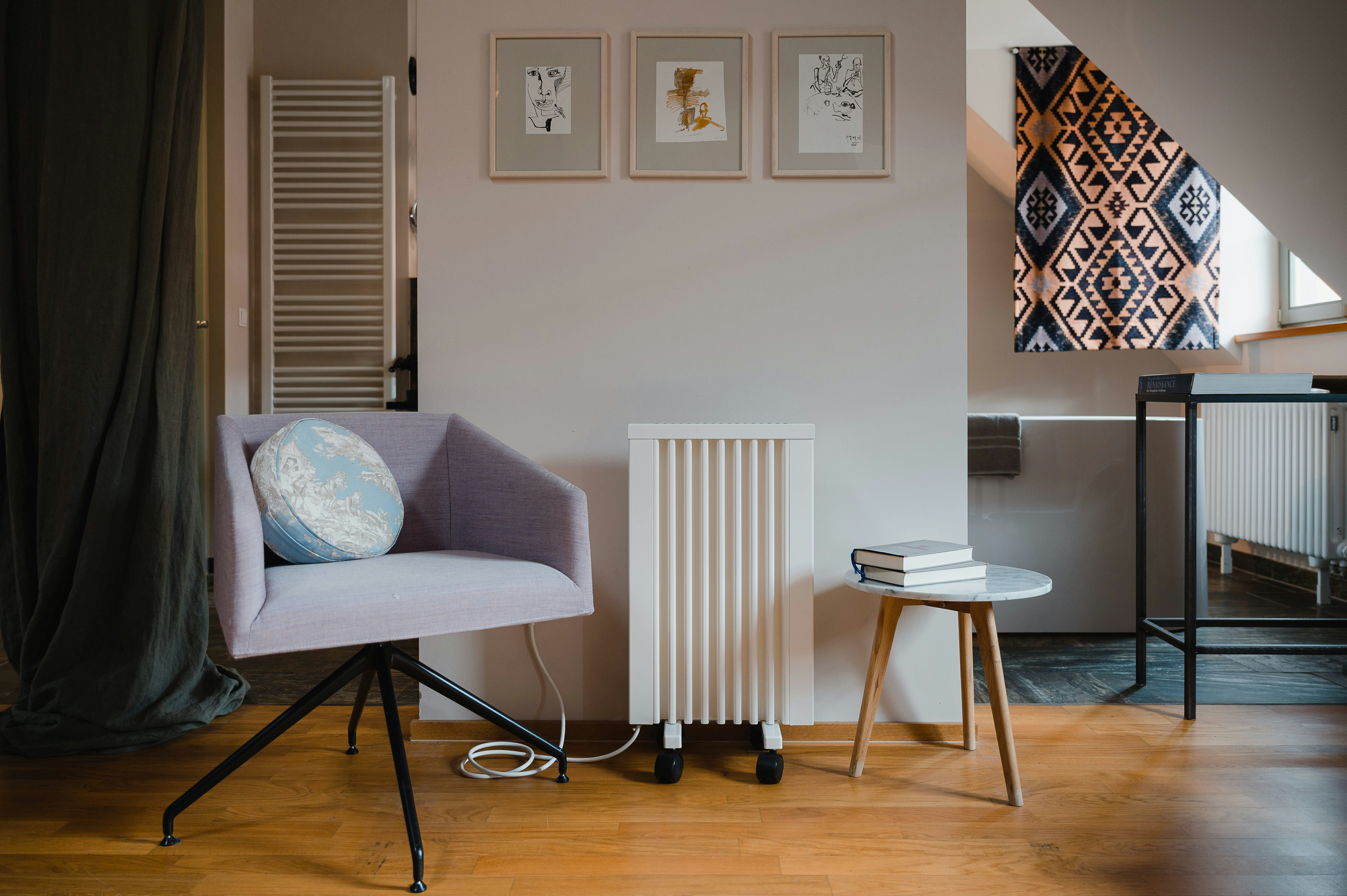
C’est la que le douillet se produit. La difference entre une chaise dans un coin et un coin lecture est largement une question de texture. Un plaid — laine ou cachemire pour l’hiver, coton ou lin pour l’ete, drape sur le dossier de la chaise. Un coussin — un coussin lombaire soutient le bas du dos. Un tapis — si la chaise est sur un sol dur, un petit tapis definit le coin comme une zone distincte.
Etape 6 : Des livres a portee de main
Un coin lecture sans livres a proximite n’est qu’une chaise. Solutions : une bibliotheque etroite (30 cm de profondeur) a cote de la chaise, une etagere murale au-dessus ou a cote pour les lectures en cours, une petite pile de livres au sol a cote de la chaise, un chariot de bibliotheque roulant.
Etape 7 : Les finitions
Une bougie ou une petite plante. Une horloge, mais pas votre telephone — une petite horloge analogique vous permet de lire sans verifier votre telephone. Aucun ecran en vue — c’est la regle la plus dure et la plus importante.
Le budget
Configuration minimale (200-400 euros) : IKEA STRANDMON, IKEA RANARP, une table d’appoint de friperie, un plaid que vous avez deja. Configuration intermediaire (500-800 euros) : fauteuil club vintage, lampe pharmacie en laiton, petite table en bois massif, plaid en laine. Configuration investissement (1000 euros et plus) : fauteuil de qualite superieure, lampadaire de designer.
Etape 3 detaillee : L’eclairage de lecture
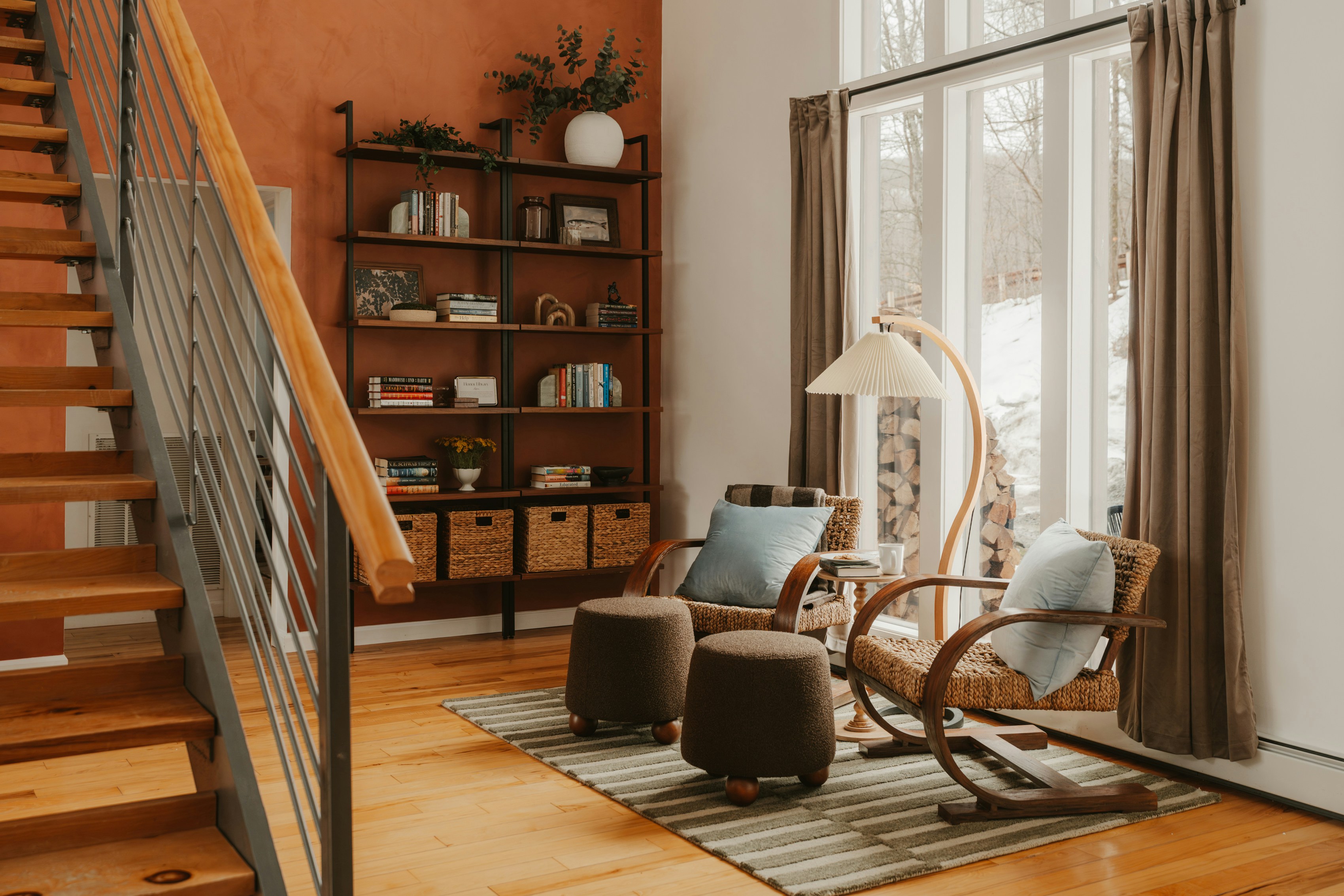
La lumiere de lecture doit etre assez brillante pour lire sans fatigue oculaire, et assez chaude en temperature de couleur pour etre douillette plutot que clinique. La configuration ideale : un lampadaire ou une applique murale orientable placee a cote ou derriere la chaise, projetant la lumiere sur la page depuis le dessus et legerement derriere votre epaule. La lumiere doit eclairer votre materiel de lecture sans briller directement dans vos yeux.
Ce qu’il faut rechercher dans une lampe de lecture : une tete ou un bras orientable pour diriger la lumiere precisement la ou vous en avez besoin, une temperature de couleur chaude (2700K-3000K — la lumiere blanche froide de 4000K et plus donne une impression de bureau), et un variateur ou au moins deux niveaux de luminosite (brillant pour lire, tamise pour l’ambiance). Notre recommandation : le lampadaire IKEA RANARP (49 euros) ou un lampadaire vintage de style pharmacie avec un abat-jour en laiton orientable. Les deux ont le look classique et l’adaptabilite fonctionnelle recherches.
Etape 5 detaillee : Les textiles
C’est la que le douillet se produit. La difference entre une chaise dans un coin et un coin lecture est largement une question de texture. Un plaid en laine ou cachemire pour l’hiver, en coton ou lin pour l’ete. Drapez-le sur le dossier de la chaise, visible et invitant. Le signal visuel d’un plaid qui attend donne a la chaise l’air intentionnellement installee pour la lecture. Un coussin — un coussin lombaire soutient le bas du dos pendant les longues sessions de lecture ; un coussin carre peut etre cale derriere la tete ou sous un bras selon les besoins. Un tapis — si la chaise est sur un sol dur, un petit tapis (90 x 150 cm) definit le coin comme une zone distincte et offre un atterrissage doux pour les pieds nus.
Le budget detaille
Configuration minimale (200-400 euros) : fauteuil IKEA STRANDMON (299 euros), lampadaire IKEA RANARP (49 euros), une table d’appoint de friperie (20-30 euros), un plaid en laine que vous avez deja et une pile de livres au sol. Configuration intermediaire (500-800 euros) : fauteuil club vintage (300-500 euros), lampe pharmacie en laiton (100-150 euros), petite table d’appoint en bois massif (50-100 euros), plaid en laine (50-80 euros), bibliotheque etroite (50-80 euros). Configuration investissement (1000 euros et plus) : fauteuil de qualite superieure (800 euros et plus), lampadaire de designer (200 euros et plus), table d’appoint en bois massif (100 euros et plus), plaid en cachemire (150 euros et plus), bibliotheque sur mesure. Le coin lecture, a tout budget, est l’un des investissements au meilleur rendement que vous puissiez faire dans votre maison.
Pourquoi un coin lecture change tout
Un coin lecture dedie n’est pas un luxe — c’est un investissement dans votre vie interieure. Avoir un endroit specifique pour lire envoie un signal a votre cerveau : c’est l’endroit ou l’on ralentit, ou l’on se concentre, ou l’on echappe aux ecrans. C’est un sanctuaire analogique dans un monde numerique. Et l’un des plus beaux aspects d’un coin lecture est qu’il ne necessite pas d’etre grand ou cher pour etre efficace. Un fauteuil confortable, une bonne lumiere et une pile de livres a cote — c’est tout ce dont vous avez besoin pour creer un espace qui vous appelle a vous asseoir et a lire.
Dans un monde ou nous passons de plus en plus de temps devant des ecrans, un coin lecture est une forme de resistance douce. C’est un endroit sans notifications, sans defilement infini, sans publicites. Juste vous, un livre et le plaisir tranquille de tourner les pages. Cela vaut chaque minute et chaque euro investi pour le creer.