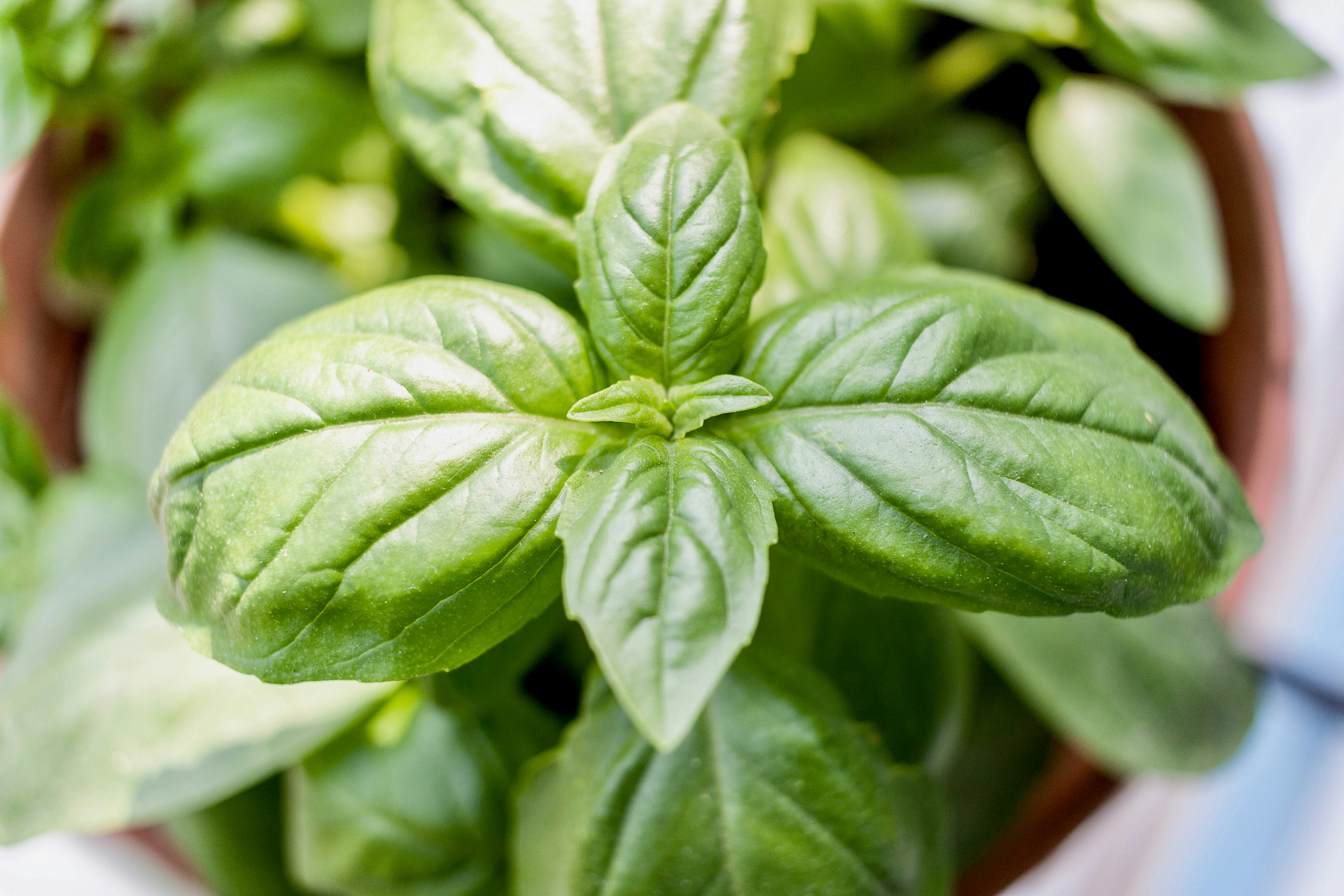
Les herbes fraiches sont la chose la plus rentable que vous puissiez cultiver a la maison. Un bouquet de basilic a l’epicerie coute 3-4 euros et fane dans votre refrigerateur en quelques jours. Un plant de basilic coute 4-5 euros et produit des feuilles pendant des mois. Le calcul est incontestable — et l’experience de couper des herbes fraiches en cuisinant, plutot que de recuperer d’un air coupable une barquette en plastique de verdure visqueuse au fond du frigo, est l’un des petits plaisirs fiables de la vie.
Cultiver des herbes a l’interieur est plus facile que la plupart des gens ne le pensent. Vous n’avez pas besoin d’un jardin, d’avoir la main verte ou d’une experience prealable. Vous avez besoin d’un rebord de fenetre, de quelques pots, de terreau et de la volonte d’arroser regulierement. Voici tout ce que vous devez savoir pour commencer.
Choisir ses herbes
Toutes les herbes ne prosperent pas a l’interieur. Certaines necessitent plus de lumiere qu’un rebord de fenetre typique ne peut en fournir ; d’autres deviennent trop grandes pour des contenants d’interieur. Commencez avec des herbes dont le succes a l’interieur est avere.
Le kit de demarrage facile
Le basilic : L’herbe d’interieur la plus gratifiante. Le basilic germe rapidement a partir de graines (5-10 jours), pousse vite et produit abondamment. Il a besoin de chaleur et d’au moins 4 a 6 heures de soleil direct par jour. Pincez les fleurs des qu’elles apparaissent — une fois que le basilic fleurit, les feuilles deviennent ameres et la plante decline.
La menthe : Pratiquement increvable. La menthe pousse dans presque toutes les conditions de lumiere et se propage de maniere agressive. Cultivez toujours la menthe dans son propre pot — jamais avec d’autres herbes, car elle les envahira. La menthe verte et la menthe poivree sont les plus polyvalentes pour la cuisine et les infusions.
La ciboulette : Peu d’entretien et indulgente. La ciboulette tolere une lumiere plus faible que la plupart des herbes et repousse rapidement apres la coupe. Elle produit des fleurs violettes comestibles au printemps.
Le persil (plat) : Fiable et productif. Le persil plat (italien) a une meilleure saveur que le persil frise et pousse bien dans une fenetre ensoleillee.
Le thym : Compact, resistant a la secheresse et aromatique. Le thym prospere dans la negligence — il prefere secher entre les arrosages et n’a pas besoin d’engrais.
Herbes a eviter a l’interieur
La coriandre : Monte en graines extremement rapidement a l’interieur. L’aneth : Pousse haut et grele a l’interieur. Le romarin : Exige une lumiere tres elevee et une excellente circulation d’air — possible uniquement avec une fenetre plein sud tres lumineuse.
Les essentiels : lumiere, eau, sol, contenants
La lumiere
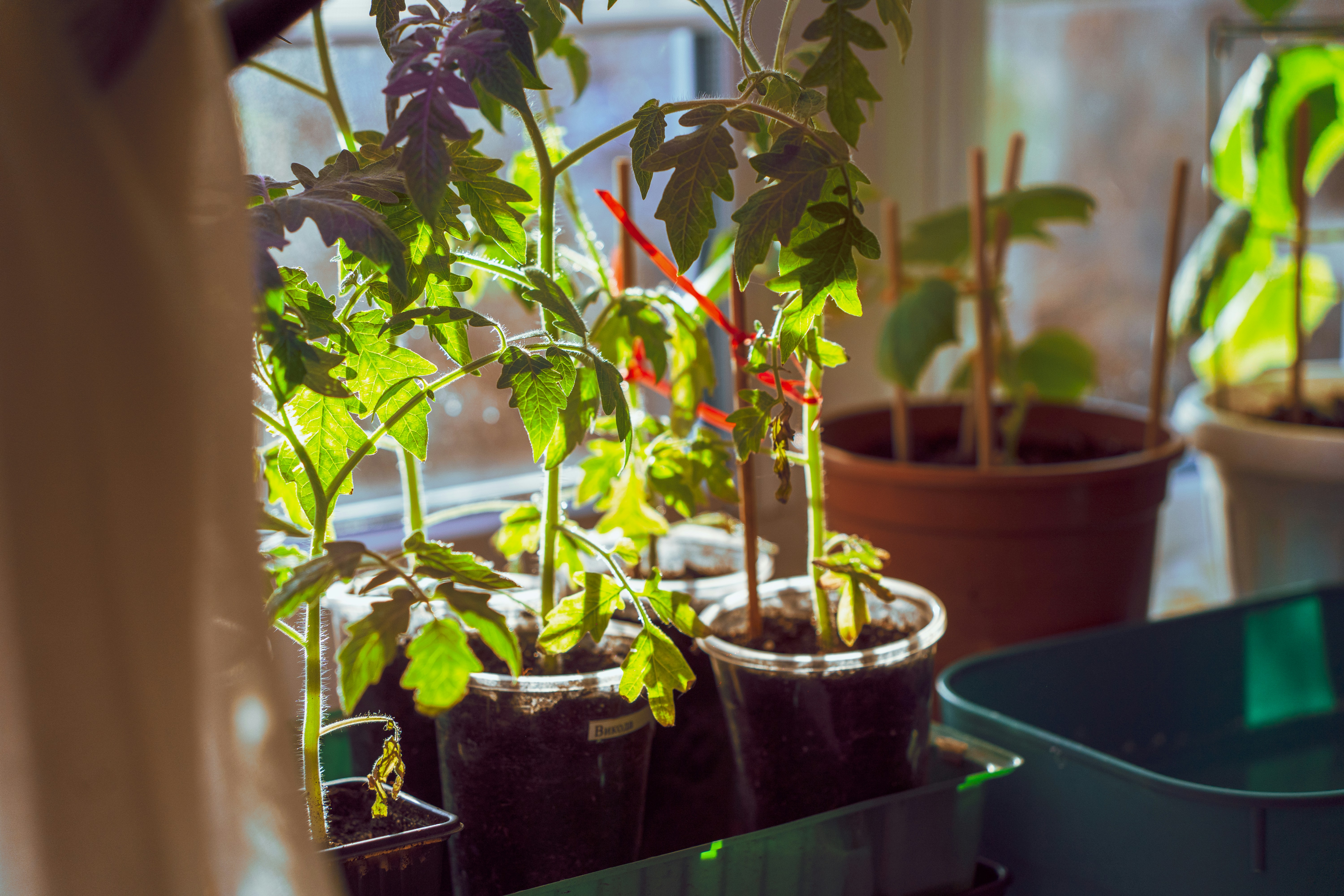
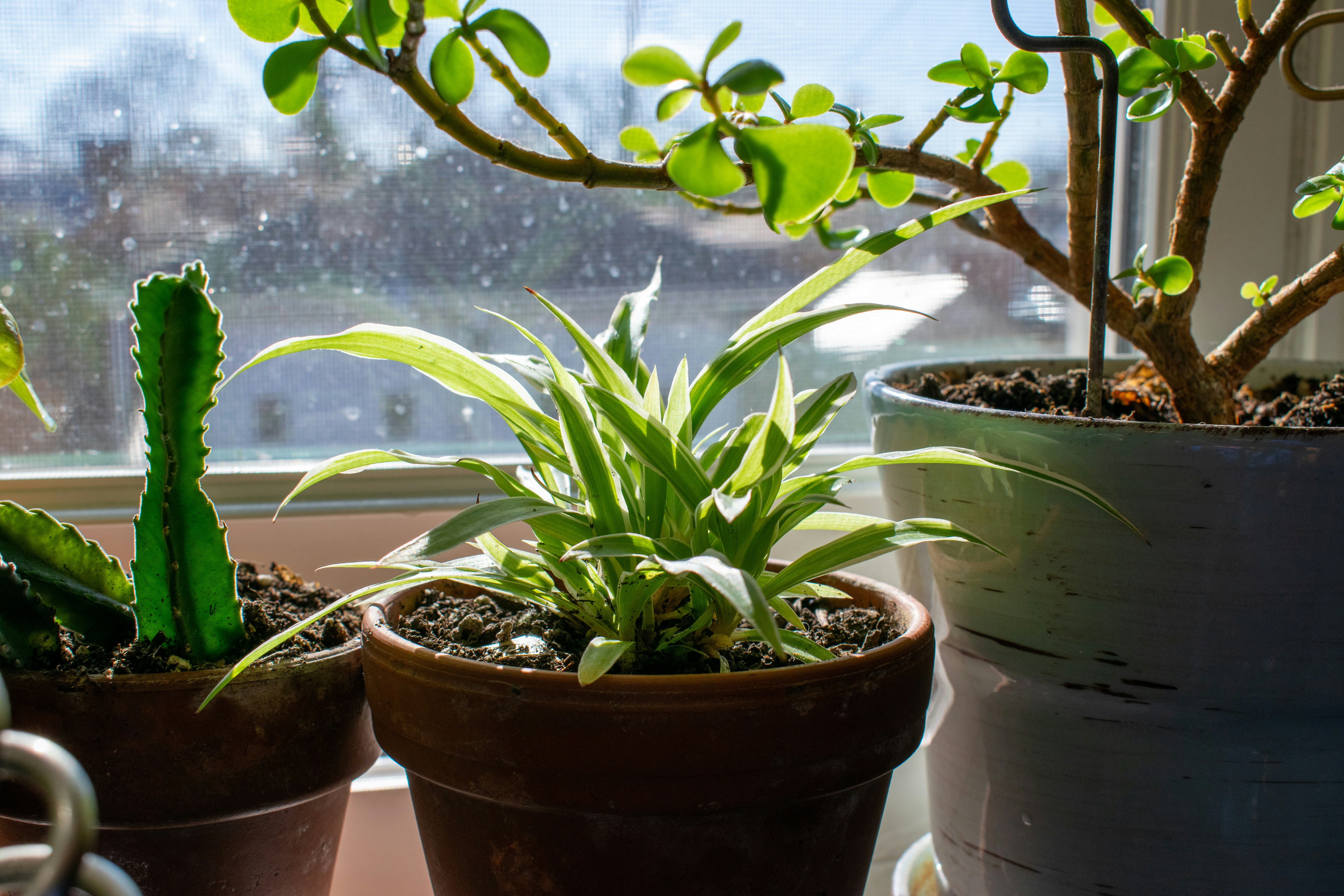
La lumiere est le facteur limitant pour les herbes d’interieur. La plupart des herbes culinaires sont originaires de la Mediterranee et ont evolue pour prosperer en plein soleil. Une fenetre orientee au nord est insuffisante ; une fenetre a l’est fonctionne pour la ciboulette, la menthe et le persil ; une fenetre au sud ou a l’ouest est ideale pour le basilic, le thym et le romarin. Signes de lumiere insuffisante : tiges greles et etirees, feuilles pales ou jaunissantes, croissance lente et saveur faible. Eclairage d’appoint : si vous n’avez pas de fenetre ensoleillee, une lampe de culture LED est la solution. Une simple lampe a pince (25-40 euros) positionnee a 15-30 cm au-dessus des plantes, sur un programmateur de 12-14 heures par jour, est suffisante.
L’eau
L’exces d’arrosage tue plus d’herbes d’interieur que toute autre cause. Regle generale : arrosez quand les 2-3 cm superieurs du sol sont secs au toucher. Enfoncez votre doigt dans le sol — s’il est humide, n’arrosez pas. Arrosez le matin, arrosez le sol pas les feuilles, utilisez toujours des pots avec des trous de drainage. Besoins differents : le basilic aime une humidite constante, le thym et le romarin preferent secher entre les arrosages.
Le sol
Utilisez un terreau de qualite, pas de la terre de jardin. Pour les herbes mediterraneennes (thym, romarin, origan), ajoutez environ 20% de perlite ou de sable grossier au terreau pour ameliorer le drainage.
Les contenants
N’importe quel pot avec des trous de drainage fonctionne. La terre cuite est excellente car poreuse — elle evacue l’exces d’humidite. Un pot de 15-20 cm de diametre est adequat pour la plupart des herbes.
Demarrer a partir de graines ou acheter des plants
A partir de graines (2-4 euros le sachet) : moins cher, plus satisfaisant. Acheter des plants (4-6 euros par plant) : plus facile, plus rapide. Les plants de supermarche sont souvent surpeuples — rempotez-les dans un pot plus grand avec du terreau frais des que vous rentrez.
Recolter pour une croissance continue
Pincez par le haut pour le basilic et la menthe. Coupez de l’exterieur pour la ciboulette et le persil. Recoltez avant la floraison. Ne recoltez jamais plus d’un tiers de la plante a la fois.
L’analyse cout-benefice
Un jardin d’herbes d’interieur avec cinq plantes coute environ 30-50 euros a installer et produit des herbes pendant des mois. Aux prix d’epicerie, l’installation est rentabilisee en 2-3 mois.
Problemes courants et solutions
Feuilles jaunes : Generalement un exces d’arrosage. Laissez le sol secher davantage entre les arrosages et assurez-vous que les trous de drainage ne sont pas bloques. Bords bruns et craquants : Generalement un manque d’arrosage ou une faible humidite. Arrosez plus regulierement et envisagez de placer un plateau de galets rempli d’eau pres des plantes pour augmenter l’humidite locale. Croissance etiolee : Lumiere insuffisante. Deplacez vers une fenetre plus lumineuse ou ajoutez une lampe de culture. Petits insectes (pucerons, araignees rouges, aleurodes) : Isolez immediatement la plante affectee. Vaporisez avec un melange d’eau et de quelques gouttes de savon doux, en insistant sur le dessous des feuilles. Repetez tous les quelques jours jusqu’a disparition.
L’analyse cout-benefice
Un jardin d’herbes d’interieur avec cinq plantes (basilic, menthe, ciboulette, persil, thym) coute environ 30-50 euros a installer (pots, terreau, plants ou graines, lampe de culture optionnelle) et produit des herbes pendant des mois. Aux prix d’epicerie de 3-4 euros le bouquet, l’installation est rentabilisee en 2-3 mois. Au-dela de l’aspect economique, avoir des herbes fraiches a portee de main change votre facon de cuisiner — vous les utiliserez plus, experimenterez davantage et mangerez mieux. Commencez avec une ou deux herbes faciles. Familiarisez-vous avec l’arrosage et la recolte. Puis elargissez. A la fin de votre premiere saison, vous vous demanderez pourquoi vous n’avez pas commence des annees plus tot.