Les livres et les guides de desencombrement ont tendance a tomber dans deux categories : le spirituel (<< ranger transformera votre ame >>) et l’esthetique (<< jetez tout ce qui n’est pas beige >>). Ni l’un ni l’autre n’est particulierement utile pour quelqu’un qui regarde un placard plein de vetements, une cuisine pleine de gadgets et un placard de couloir qui n’a pas ete ouvert depuis des mois parce que quelque chose pourrait en tomber.
Ce qui suit est un guide pratique, sans sentimentalite, piece par piece, pour le desencombrement. Pas de philosophie, pas de culpabilite, pas d’obligation de tenir chaque objet et de se demander s’il suscite de la joie. Juste une approche systematique pour se debarrasser des choses dont vous n’avez pas besoin afin que vous puissiez reellement utiliser et apprecier les choses que vous avez.
Avant de commencer : les trois regles
1. Une piece a la fois. L’erreur de desencombrement la plus courante est de commencer dans plusieurs pieces simultanement, de creer un plus grand desordre qu’au depart et d’abandonner. Choisissez une piece. Finissez-la completement avant de passer a la suivante. L’achevement est motivant ; le chaos est decourageant.
2. Touchez chaque objet une fois. L’approche efficace : videz entierement un tiroir, une etagere ou un placard. Nettoyez l’espace. Ensuite, ne remettez que les articles que vous gardez. Tout le reste va dans l’une de trois boites : donner, recycler/poubelle ou << appartient a une autre piece >>. La boite << ailleurs >> est livree a la bonne piece a la fin de la session.
3. Reglez un minuteur. Le desencombrement est mentalement epuisant. Travaillez par sessions de 45-60 minutes avec des pauses entre les deux. Les sessions marathon conduisent a de mauvaises decisions et a l’epuisement. Deux heures concentrees avec une pause sont plus productives que cinq heures de tri de plus en plus rancunier.
La chambre
La chambre devrait etre la piece la plus facile a desencombrer car elle remplit exactement deux fonctions : dormir et s’habiller. Tout ce qui ne sert pas l’un de ces objectifs appartient ailleurs.
Le placard et les vetements
C’est la categorie la plus difficile pour la plupart des gens. Abordez-la systematiquement. Etape 1 : retirez tout — chaque vetement que vous possedez va sur le lit. Oui, tout. Etape 2 : le tri rapide — parcourez la pile et retirez tout ce qui ne vous va pas, est endommage au-dela de toute reparation raisonnable ou que vous detestez activement porter. Etape 3 : le filtre saisonnier — les vetements hors saison doivent vivre sous le lit, dans une valise ou dans un autre placard, pas dans votre champ visuel quotidien. Etape 4 : organisez ce qui reste — utilisez des cintres uniformes et organisez par categorie.
Les surfaces
Les surfaces de chambre accumulent des objets par inertie, pas par intention. Videz toutes les surfaces sauf : une lampe, un livre que vous lisez activement et un objet personnel. Tout le reste va a sa place ou dans la boite a donner.
La cuisine
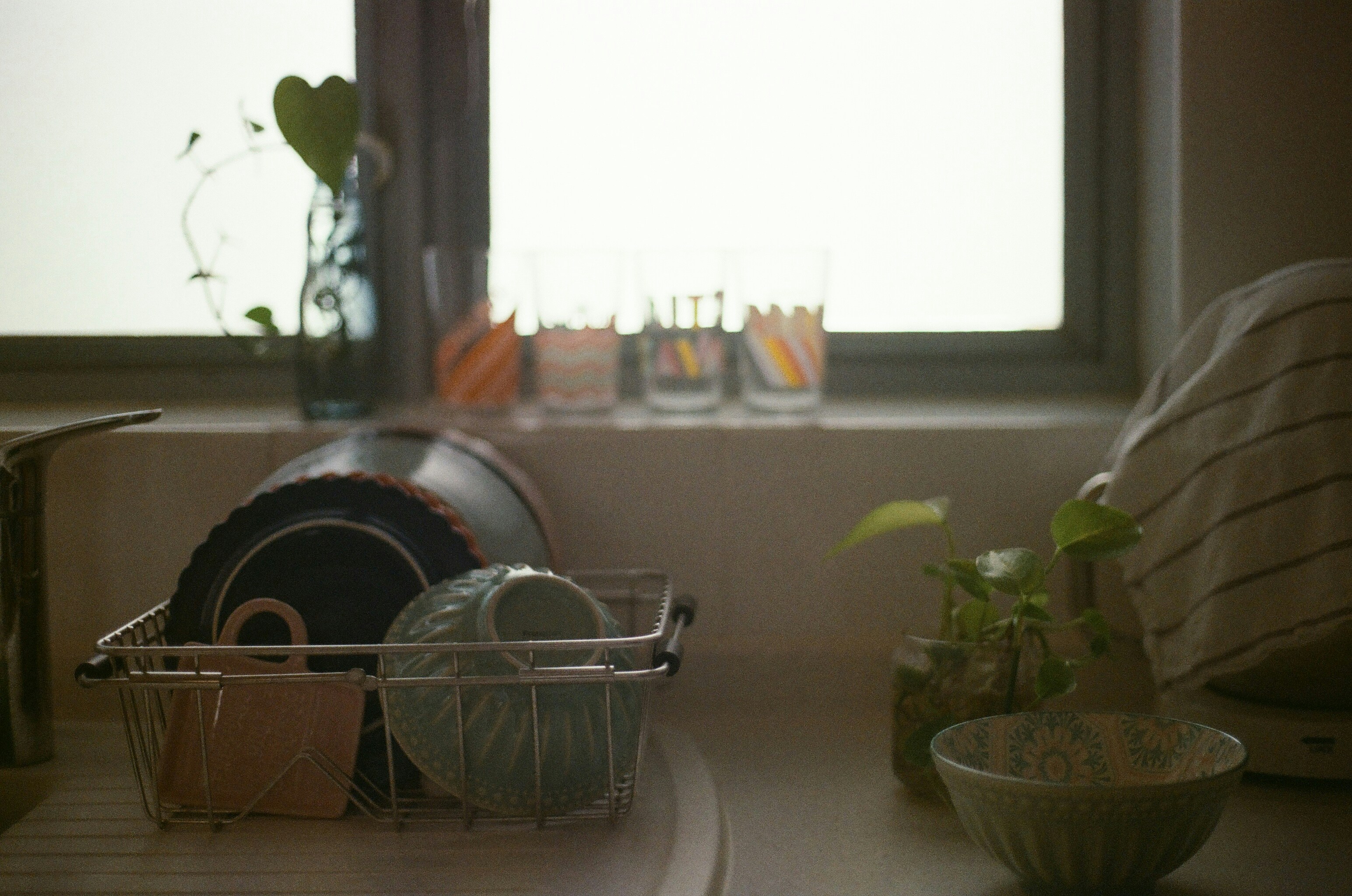
Les cuisines accumulent des objets a un rythme alarmant. La regle : rien ne vit sur le plan de travail sauf les articles utilises quotidiennement. Videz chaque placard. Avant de remettre quoi que ce soit, demandez : ai-je utilise ceci au cours des six derniers mois ? Eliminez les doublons et les gadgets a usage unique.
La salle de bain
Les salles de bain sont petites, ce qui les rend a la fois rapides a desencombrer et disproportionnellement satisfaisantes. Armoire a pharmacie : retirez tout, verifiez les dates de peremption. Meuble sous evier : consolidez les doublons, jetez ce qui est separe ou a une odeur suspecte. Cosmetiques : les produits ont une duree de vie.
Le salon
Maximum trois objets par surface. Livres : gardez ceux que vous avez lus et aimes. Cables et electronique : recyclez correctement.
Le bureau a domicile
Le papier est le principal ennemi. Triez en trois categories : action requise, classer pour les dossiers, recycler. Vous n’avez pas besoin de cinquante stylos.
Maintenir le systeme
Le desencombrement n’est pas un evenement ponctuel — c’est une pratique. Un entre, un sort. Balayage trimestriel d’une heure. L’objectif n’est pas une maison vide — c’est une maison ou tout ce que vous possedez est quelque chose que vous utilisez, dont vous avez besoin ou que vous aimez vraiment.

La cuisine en detail
Les plans de travail : La regle est que rien ne vit sur le plan de travail sauf les articles utilises quotidiennement. Pour la plupart des gens, cela signifie une cafetiere ou une bouilloire, un bloc a couteaux et un pot a ustensiles. Tout le reste — le grille-pain, le mixeur, le robot culinaire, le porte-epices — appartient a un placard. Les plans de travail degages donnent a la cuisine une sensation considerablement plus grande et sont plus faciles a nettoyer.
Les placards et tiroirs : Videz chaque placard. Essuyez-le. Avant de remettre quoi que ce soit, demandez : ai-je utilise ceci au cours des six derniers mois ? Pour l’equipement specialise (plat a rotir des fetes, sorbetiere), le seuil est de douze mois. Soyez honnete : la machine a panini utilisee deux fois en trois ans ne merite pas sa place. Doublons a eliminer : vous n’avez pas besoin de six cuilleres en bois, de trois spatules, de quatre bols melangeurs de tailles differentes que vous n’utilisez jamais, ni de tasses de chaque evenement auquel vous avez assiste. Gardez la meilleure version de chaque article. Le cimetiere des gadgets : presse-ail, trancheur d’avocat, separateur d’oeufs — des gadgets de cuisine a usage unique qui font mal une chose et prennent un espace disproportionne dans le tiroir.
La salle de bain en detail
Armoire a pharmacie : Retirez tout. Verifiez les dates de peremption — la plupart des medicaments perdent leur efficacite apres leur date. Ne gardez que ce que vous utilisez regulierement. Meuble sous evier : Consolidez les doublons (avez-vous besoin de trois bouteilles a moitie vides du meme shampooing ?). Jetez ce qui est separe, congele ou sent mauvais. Cosmetiques et soins de la peau : Les produits ont une duree de vie. Le mascara : 3 mois. Le fond de teint liquide : 6-12 mois. La creme solaire : verifiez la date de peremption.
Les espaces de rangement
Greniers, sous-sols, garages et placards de couloir sont la ou les objets vont mourir. La regle : si c’est dans une boite depuis plus de deux ans et que vous n’en avez pas eu besoin, vous n’en avez probablement pas besoin. Objets sentimentaux : gardez un volume defini — une boite par personne — et organisez dans cette limite.
Maintenir le systeme
Le desencombrement n’est pas un evenement ponctuel. Deux habitudes d’entretien empechent la recidive. La regle un entre, un sort : pour chaque nouvel article, un article comparable sort. Le balayage trimestriel : tous les trois mois, passez une heure a parcourir votre maison avec une boite a dons. L’objectif n’est pas une maison vide. C’est une maison ou tout ce que vous possedez est quelque chose que vous utilisez, dont vous avez besoin ou que vous aimez vraiment — et ou vous pouvez trouver ce que vous cherchez sans deplacer une pile de choses que vous avez oublie posseder.
Le desencombrement numerique
Le desordre ne se limite pas aux objets physiques. Le desordre numerique — des milliers d’emails non lus, un bureau d’ordinateur couvert de fichiers, des notifications constantes — cree une charge cognitive similaire au desordre physique. Passez une heure a vous desabonner des newsletters que vous ne lisez jamais. Supprimez les applications que vous n’utilisez pas. Organisez les fichiers de votre bureau dans des dossiers. Videz votre dossier de telechargements. Configurez des filtres d’email pour trier automatiquement les messages promotionnels. L’objectif est le meme que pour le desordre physique : que seules les choses qui meritent votre attention occupent votre champ visuel.
Pourquoi le desencombrement en vaut la peine
Une maison desencombree n’est pas seulement plus agreable a regarder — elle est plus facile a vivre. Vous trouvez ce que vous cherchez sans chercher. Le nettoyage prend moins de temps. Vous utilisez reellement les choses que vous possedez parce que vous pouvez les voir et y acceder. Et il y a un avantage psychologique plus profond : une maison ou tout a sa place est une maison qui vous soutient plutot que de vous stresser. C’est un endroit qui travaille pour vous, pas un endroit qui exige constamment votre attention et votre energie pour le maintenir.