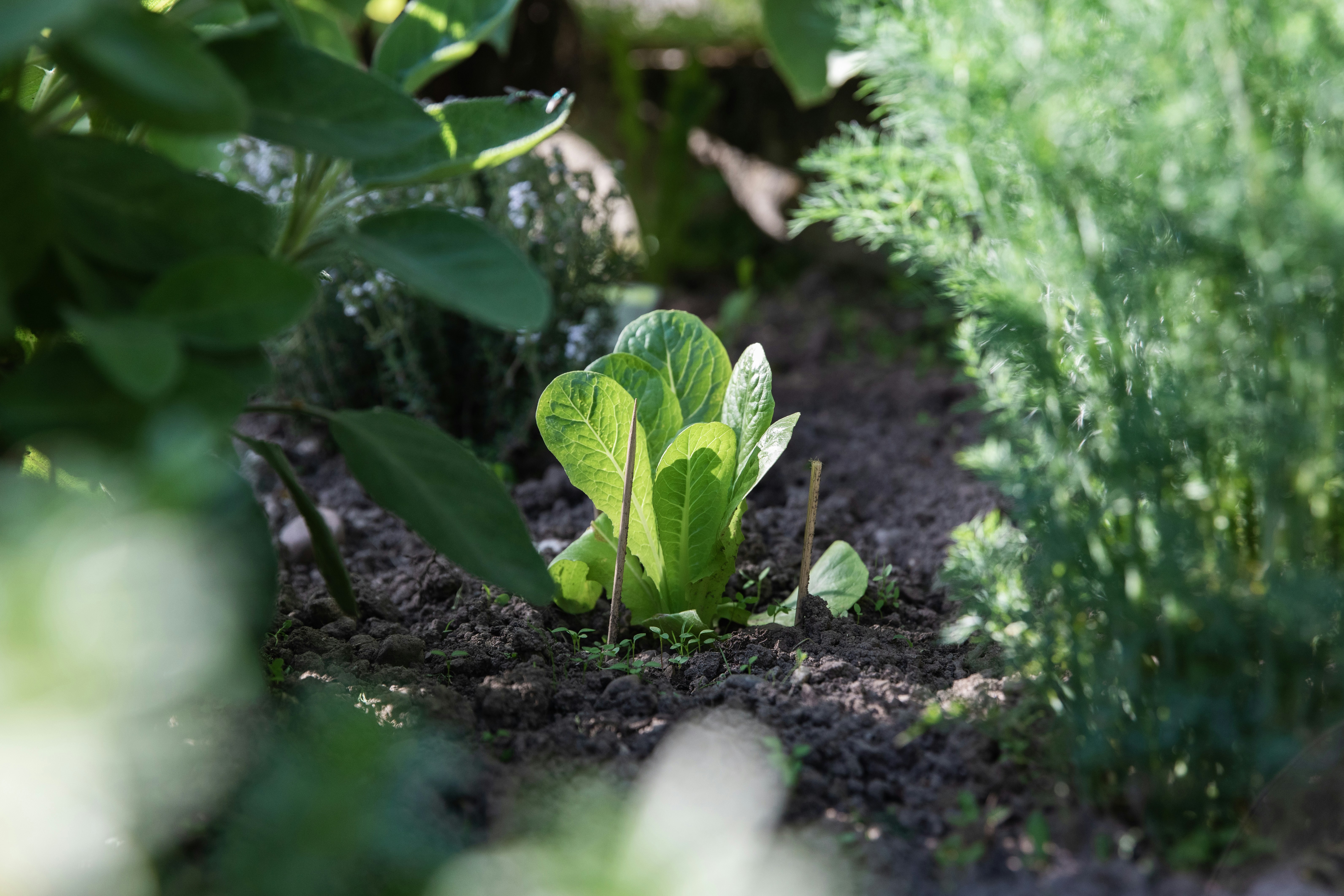
Cultiver sa propre nourriture est l’une des choses les plus satisfaisantes qu’on puisse faire a la maison. Une tomate cueillie tiede de la vigne et mangee en quelques minutes a un gout fondamentalement different de celle qui a voyage refrigeree pendant une semaine. L’economie est favorable. L’impact environnemental est positif. Et l’experience de cuisiner avec des ingredients que vous avez cultives vous-meme change votre relation a la nourriture.
Vous n’avez pas besoin d’un jardin, d’experience prealable ou d’avoir la main verte. Vous avez besoin d’un contenant, de terreau, d’une plante ou de graines et de la volonte d’arroser regulierement. Voici comment commencer de zero.
Les indispensables
Lumiere du soleil : Les legumes ont besoin de soleil. La plupart des plantes a fruits (tomates, poivrons, concombres) necessitent 6 a 8 heures de soleil direct par jour. Les legumes a feuilles (laitue, epinards, chou frise) et les herbes peuvent se contenter de 4 a 6 heures. Observez votre espace pendant une journee complete avant de planter quoi que ce soit.
Eau : Un arrosage regulier est la competence qui separe les jardiniers qui reussissent de ceux qui echouent. Les plantes en pot se dessechent plus vite que les plantes en pleine terre. Le test : enfoncez votre doigt dans le sol jusqu’a la deuxieme phalange. Si c’est sec, arrosez. Si c’est humide, n’arrosez pas.
Sol : Utilisez du terreau, pas de la terre de jardin. La terre de jardin en pot se compacte avec le temps, limitant la croissance des racines et le drainage. Le terreau est plus leger, draine mieux et est sterilise.
Jardinage en pot pour petits espaces
Un balcon ensoleille, une terrasse ou meme une sortie de secours peuvent produire une quantite surprenante de nourriture. Des contenants de 20 litres pour les tomates, 10 litres pour les herbes et les salades. Ce qui pousse bien en pots : tomates cerises, basilic, laitue, radis, haricots nains. A eviter : le mais, les courges et citrouilles, la plupart des legumes racines.
Le jardin de demarrage : cinq plantes infaillibles
- Tomates cerises — la plante potagere d’entree. 2. Basilic — pousse vite, produit abondamment. 3. Laitue et salades — la culture la plus rapide de la graine a la recolte. 4. Radis — le legume le plus rapide, 25 jours. 5. Haricots nains — compacts, productifs.
Plantation saisonniere
Printemps (saison fraiche) : laitue, epinards, roquette, radis, petits pois. Ete (saison chaude) : tomates, poivrons, concombres, haricots, basilic. Automne : nombreuses cultures de printemps peuvent etre replantees en fin d’ete pour une recolte d’automne.
Problemes courants et solutions
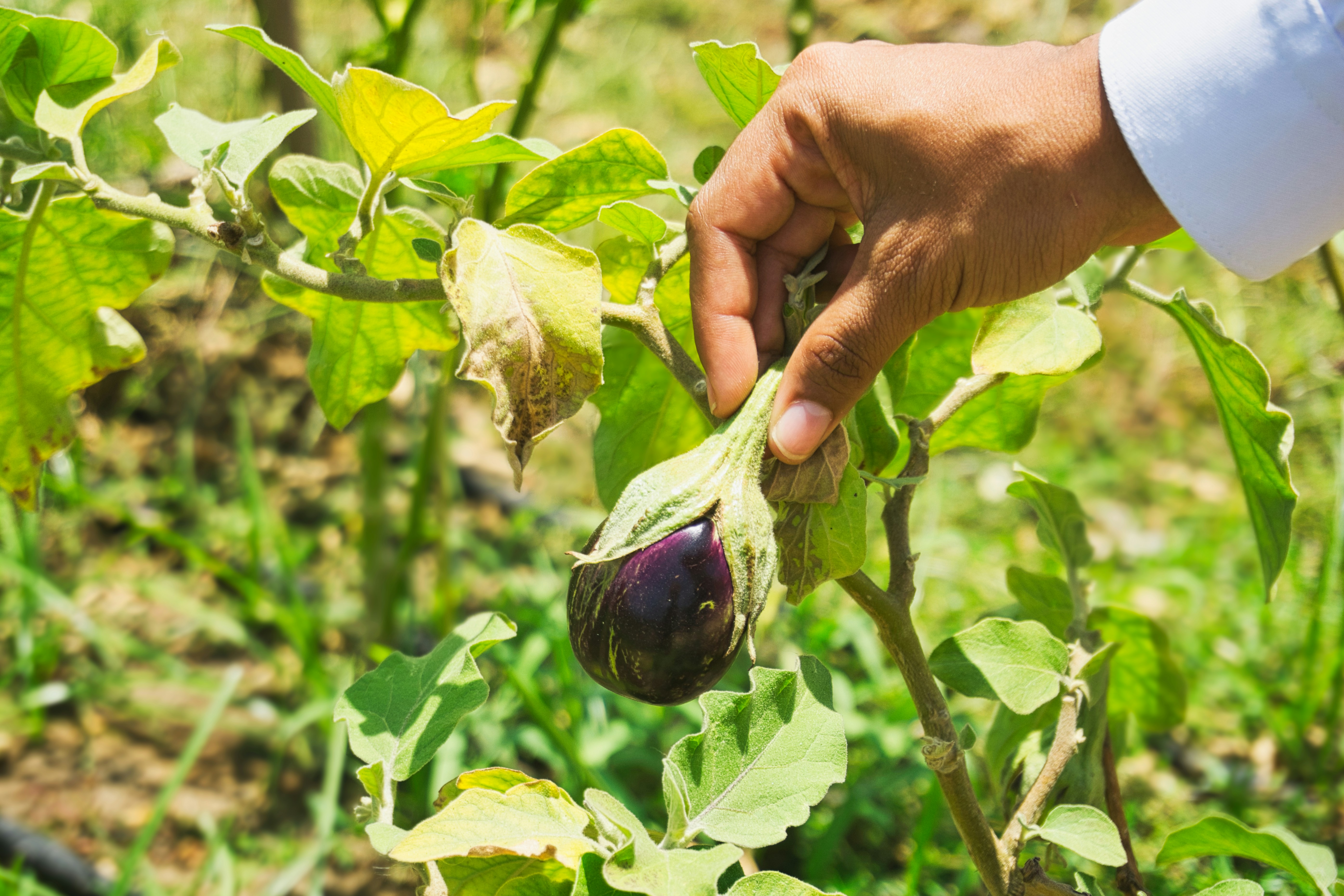
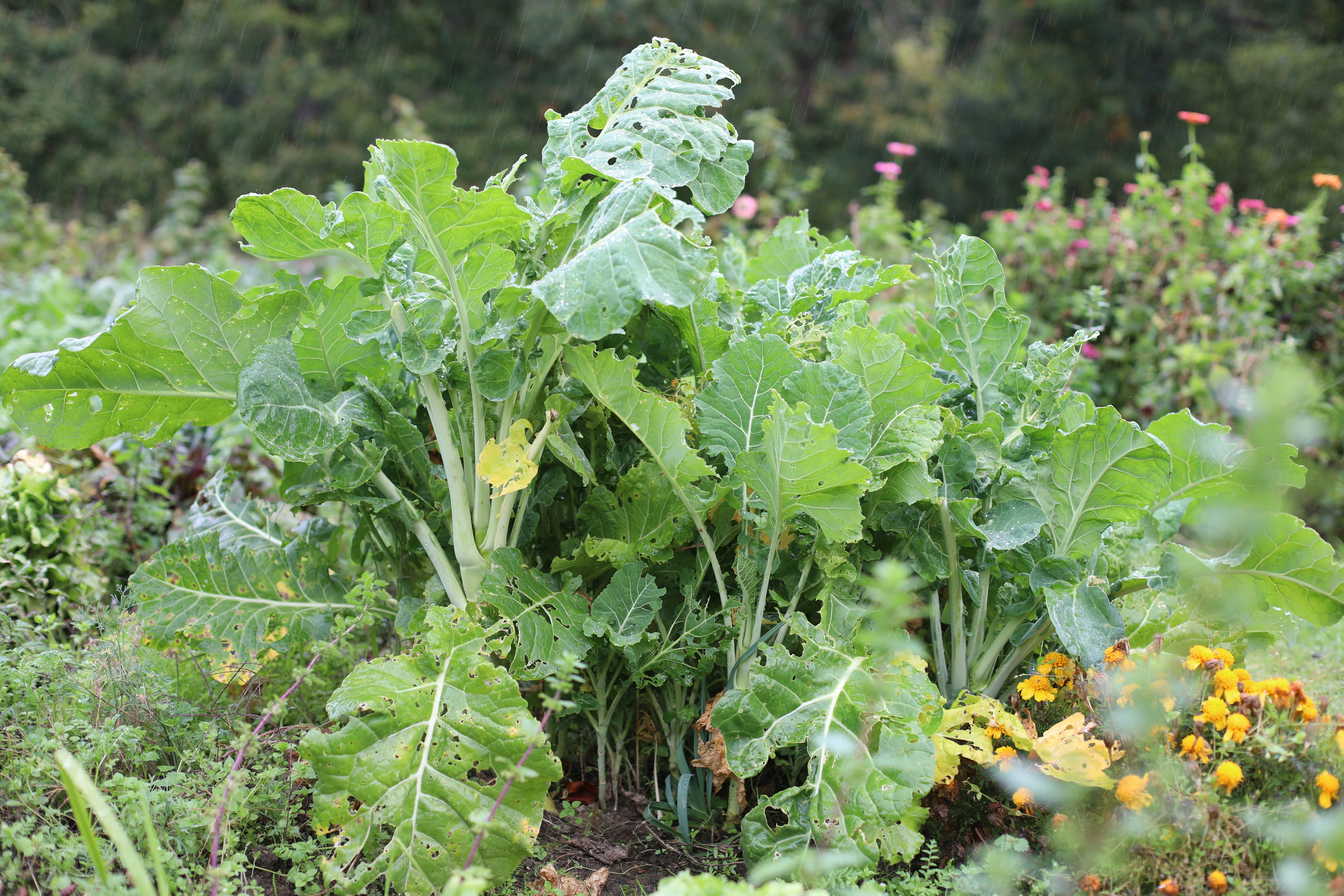
Feuilles jaunes : generalement trop d’eau. Laissez le sol secher davantage entre les arrosages. Fletrissement le jour, recuperation la nuit : normal pour les plantes a grandes feuilles par temps chaud. Fleurs sans fruits : mauvaise pollinisation. Secouez doucement les tiges fleuries ou utilisez un petit pinceau. Trous dans les feuilles : limaces, escargots ou chenilles. Ramassez a la main ou utilisez un savon insecticide biologique.
La recolte
Recoltez les legumes quand ils sont murs — ni avant ni longtemps apres. Le meilleur moment pour recolter la plupart des legumes est le matin, apres que la rosee a seche mais avant la chaleur du jour. Les legumes recoltes le matin sont plus croustillants, plus sucres et durent plus longtemps. La plus grande recompense du potager est le repas que vous cuisinez avec des ingredients que vous avez cultives vous-meme. Planifiez ce premier repas le jour ou vous plantez. Cela donne aux semaines d’arrosage et d’attente un point final specifique et delicieux.
La recolte et au-dela
Recoltez les legumes quand ils sont murs. Le meilleur moment est le matin. Les legumes recoltes le matin sont plus croustillants, plus sucres et durent plus longtemps. La plus grande recompense du potager est le repas que vous cuisinez avec des ingredients que vous avez cultives vous-meme. Planifiez ce premier repas le jour ou vous plantez. Au-dela du gout, il y a la satisfaction de manger quelque chose que vous avez regarde pousser. Les enfants qui participent au potager mangent plus de legumes. Le jardinage reduit le stress.
Au-dela du potager : pourquoi cultiver ses legumes
Au-dela du gout et des economies, il y a la satisfaction profonde de manger quelque chose que vous avez regarde pousser de la graine a l’assiette. Les enfants qui participent au potager mangent plus de legumes — c’est l’un des resultats les plus coherents de la recherche en education alimentaire. Le jardinage reduit le stress : des etudes montrent que le contact avec la terre et les plantes abaisse les niveaux de cortisol. Et dans un monde de chaines d’approvisionnement incertaines, savoir cultiver sa propre nourriture est une competence qui a de la valeur bien au-dela du loisir.
Vous n’avez pas besoin d’un grand espace ni de beaucoup de temps. Commencez avec un pot, une plante, et voyez ou cela vous mene. La premiere tomate que vous cueillerez, tiede de soleil, et mangerez dans les minutes qui suivent — ce moment vaut toutes les semaines d’arrosage et d’attente. C’est pour cela qu’on jardine.