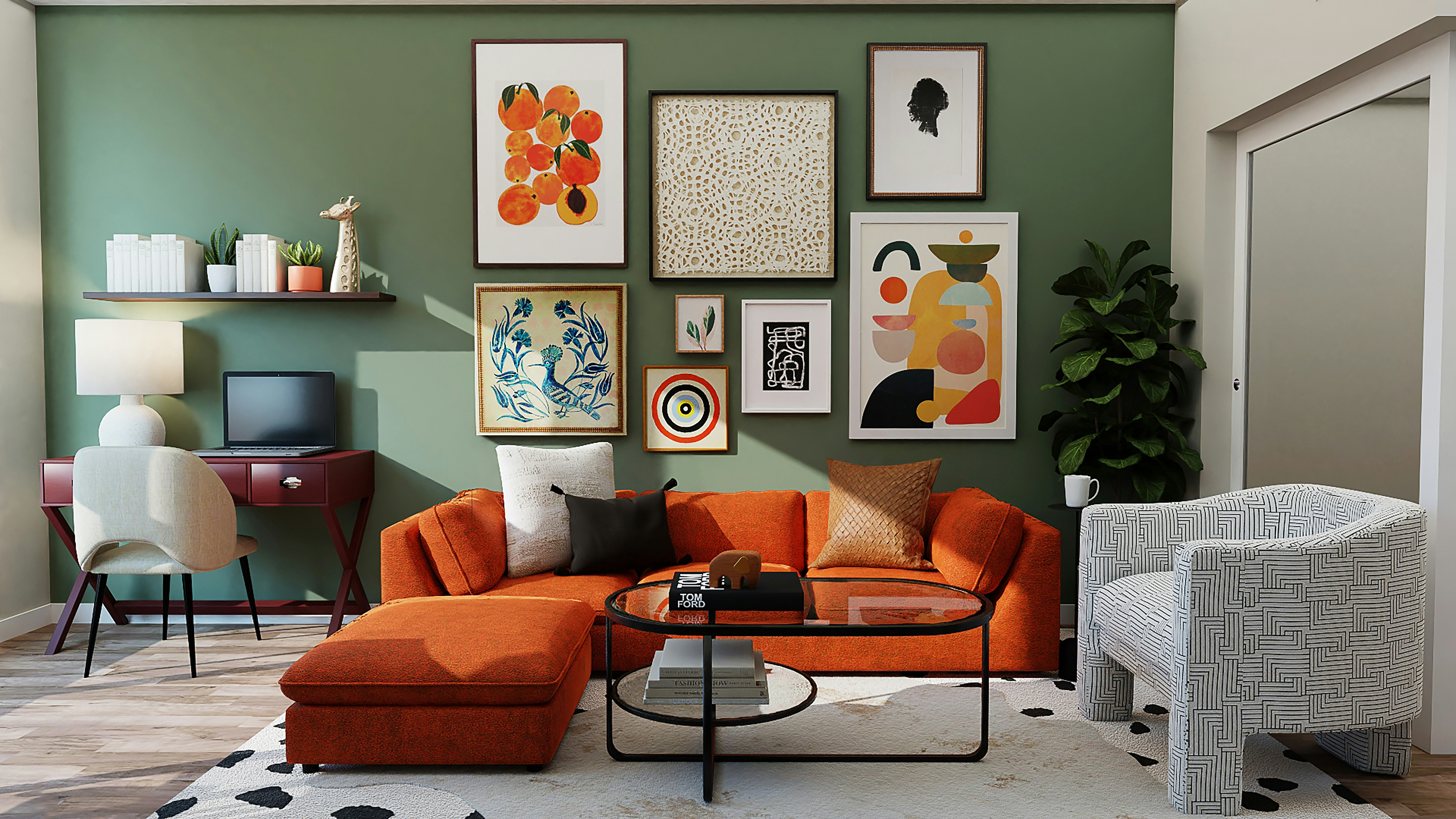
Votre maison n’est pas un contenant passif pour votre vie. Elle faconne activement votre humeur, votre comportement et meme vos performances cognitives. Une piece encombree et mal eclairee augmente les niveaux de cortisol, l’hormone du stress. Une piece avec de la lumiere naturelle, des plantes et une vue sur la nature les reduit. Les espaces que nous habitons sont des donnees environnementales qui nous affectent, que nous en soyons conscients ou non.
La psychologie environnementale — l’etude de la facon dont les espaces physiques affectent le comportement et le bien-etre humains — a produit un corpus substantiel de recherches qui s’applique directement a la conception de nos maisons. Voici ce que les preuves nous disent sur la creation d’espaces qui soutiennent plutot qu’ils ne compromettent votre etat mental.
Desordre et cortisol
Le resultat le mieux reproduit en psychologie environnementale est que le desordre visuel augmente le stress. Une etude de 2010 dans le Journal of Personality and Social Psychology a revele que les femmes qui decrivaient leur maison comme encombree ou inachevee avaient des niveaux de cortisol plus eleves et une humeur plus depressive que celles qui decrivaient leur maison comme reposante et restauratrice. L’effet etait independant des autres facteurs de stress — le desordre lui-meme etait un predicteur significatif de stress.
Le mecanisme est simple : le desordre est une affaire inachevee. Chaque objet hors de sa place represente une decision reportee, une tache incomplete. Votre champ visuel vous rappelle constamment ces taches inachevees, creant une charge cognitive de faible intensite qui s’accumule au fil de la journee. Une surface degagee, en revanche, signale l’achevement et le calme.
L’application pratique n’est pas l’extremisme minimaliste — vous n’avez pas besoin de ne rien posseder. Vous avez besoin que les choses aient un chez-soi. Quand chaque objet a une place designee et retourne a cette place quand il n’est pas utilise, le champ visuel est clair et la charge cognitive est reduite.
Lumiere naturelle et rythme circadien
La lumiere naturelle est le plus puissant regulateur environnemental de l’humeur. L’exposition a la lumiere naturelle pendant la journee ameliore la qualite du sommeil, reduit le risque de depression et augmente la vigilance diurne. Une etude de 2014 dans le Journal of Clinical Sleep Medicine a revele que les travailleurs de bureau avec des fenetres dormaient en moyenne 46 minutes de plus par nuit que ceux sans fenetres.
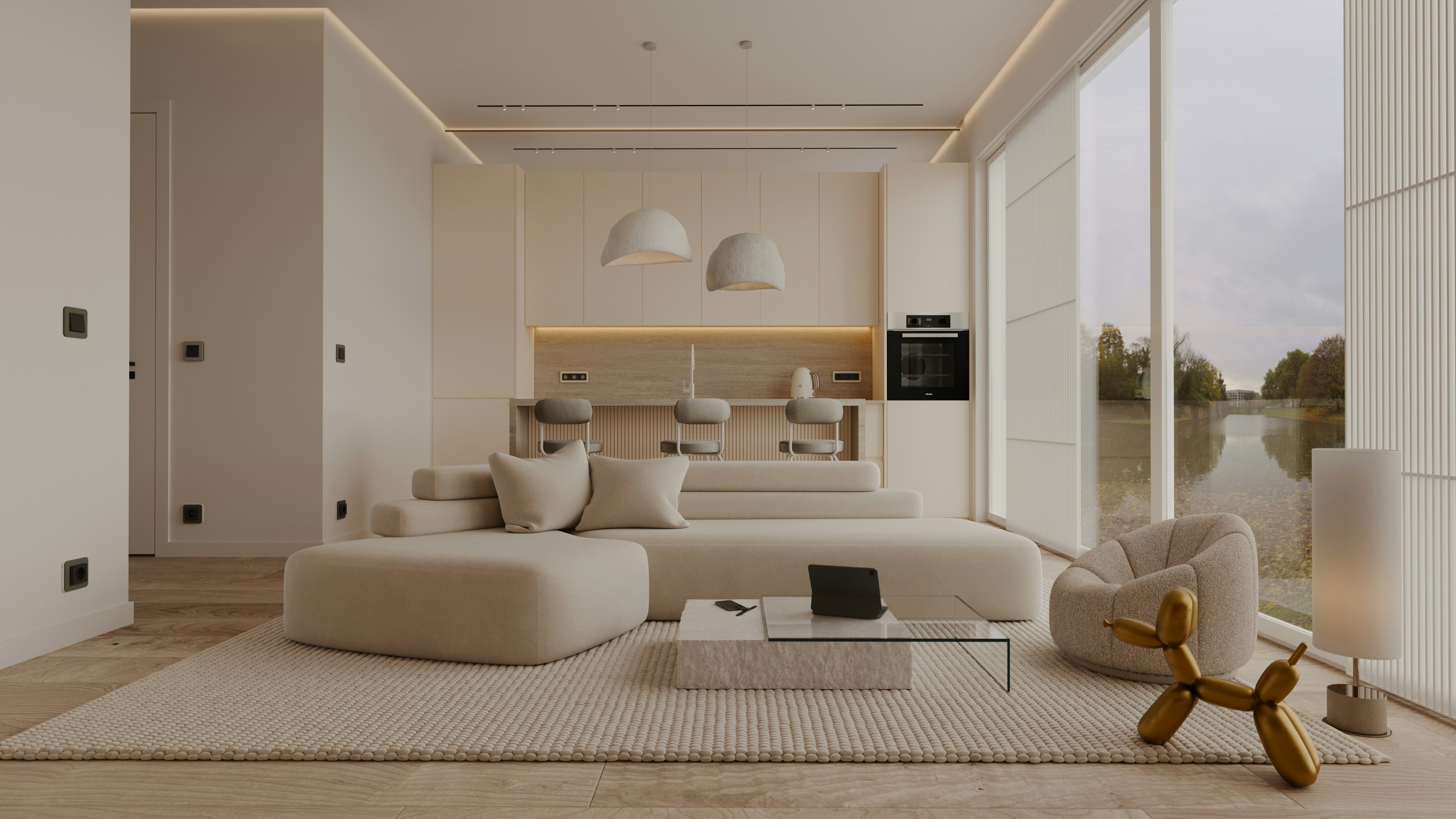
Applications pratiques pour la conception de la maison : priorisez la lumiere naturelle dans les pieces ou vous passez les heures de jour. Gardez les fenetres propres. Utilisez des rideaux en voile plutot que des rideaux lourds qui bloquent la lumiere. Positionnez les meubles face aux fenetres. Si la lumiere naturelle est limitee, utilisez des ampoules a spectre complet qui imitent la temperature de couleur de la lumiere du jour pendant la journee.
Psychologie des couleurs
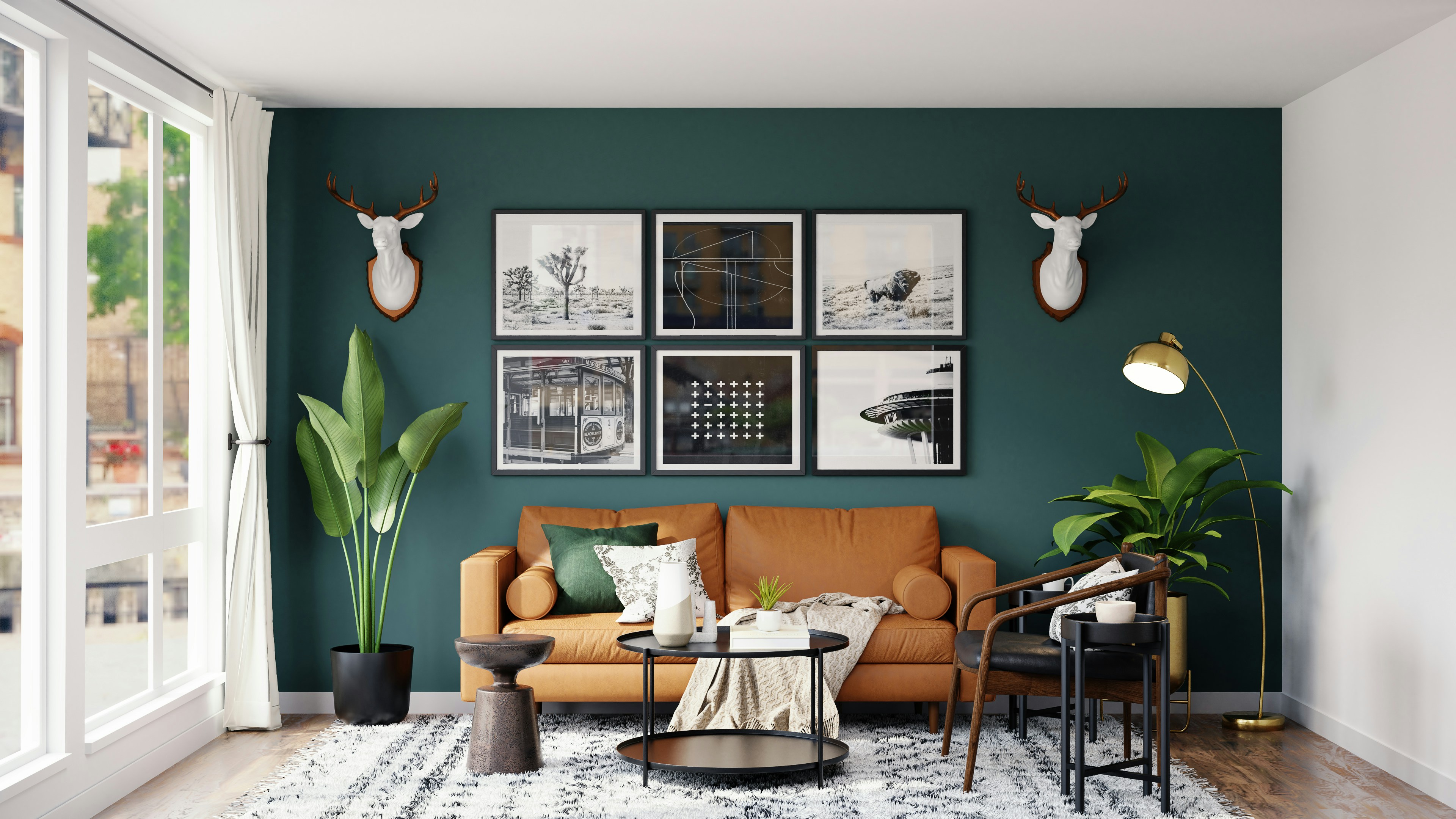
La couleur affecte l’humeur par des voies a la fois biologiques et culturelles. Les resultats de recherche, sans etre unanimes, montrent des schemas coherents. Le bleu reduit le rythme cardiaque et la pression arterielle — associe au calme, a la concentration et a la confiance. Le vert est associe a la nature, a l’equilibre et a la restauration. Les neutres chauds (creme, beige, gris chaud) creent une toile de fond apaisante. Le rouge, l’orange et le jaune vif sont des couleurs stimulantes a utiliser comme accents plutot que comme couleurs murales dominantes.
Le pouvoir restaurateur de la nature
Le resultat le plus constant de toute la psychologie environnementale est que le contact avec la nature — meme indirect, meme simule — ameliore l’humeur et la fonction cognitive. Des vues sur les arbres reduisent le stress. Les plantes d’interieur ameliorent la concentration. Des photographies de scenes naturelles abaissent la pression arterielle. Applications pratiques : placez un fauteuil confortable pres d’une fenetre avec vue sur la verdure, gardez au moins une plante vivante dans chaque piece, accrochez de l’art representant des scenes naturelles.
Hauteur de plafond et style de pensee
Une decouverte surprenante : la hauteur de plafond affecte la facon de penser. Les plafonds plus hauts (plus de 3 metres) favorisent la pensee abstraite et creative. Les plafonds plus bas favorisent la pensee focalisee et orientee vers les details. Implications pratiques : une piece avec un haut plafond est mieux adaptee au travail creatif ou aux rassemblements sociaux qu’au travail analytique concentre.
Principes de conception pratiques
Base sur la recherche, cinq principes pour une conception domestique psychologiquement saine. Donnez un chez-soi a chaque objet. Maximisez la lumiere naturelle. Apportez la nature a l’interieur — une vraie plante par piece est le minimum. Separez les espaces par fonction — ne travaillez pas la ou vous dormez, ne mangez pas la ou vous travaillez. Exposez les choses qui vous rendent heureux, cachez les choses qui vous stressent — une photo qui apporte de la joie merite de l’espace mural, une pile de factures qui provoque de l’anxiete appartient dans un tiroir.
L’effet de la table a manger
Les familles qui mangent ensemble a une table rapportent une satisfaction relationnelle plus elevee et les enfants de ces familles ont de meilleurs resultats scolaires. La presence physique d’une table a manger ne cause pas ces resultats — mais elle les permet. Concevoir une maison avec un espace repas designe, sans ecrans, cree les conditions pour que les repas en famille aient lieu. La table n’a pas besoin d’etre grande ou chere. Elle a juste besoin d’exister et d’etre utilisee.