Le marche de la technologie beaute est en plein essor. Des appareils que l’on ne trouvait autrefois que dans les cabinets de dermatologues et les spas medicaux — panneaux de therapie LED, appareils de tonification par microcourant, baguettes de raffermissement cutane par radiofrequence — sont maintenant disponibles en versions grand public, concues pour un usage a domicile. Le discours est seduisant : des resultats de qualite professionnelle sans les prix professionnels ni les contraintes de rendez-vous.
Mais l’ecart entre un appareil clinique et son equivalent domestique peut etre significatif. Les appareils professionnels sont plus puissants, utilises par des praticiens formes qui comprennent la biologie sous-jacente, et font partie d’un plan de traitement adapte a la peau d’un individu. Les appareils domestiques fonctionnent a des intensites plus faibles pour des raisons de securite et dependent de l’utilisateur pour comprendre et maintenir un protocole de traitement coherent. Voici ce que les preuves disent reellement sur les principales categories de technologie beaute.
Masques de therapie par lumiere LED
Nous avons couvert les masques LED en detail dans notre section Beaute, voici donc la version condensee pour ceux qui considerent l’angle technologique. La therapie par lumiere de faible intensite utilise des longueurs d’onde specifiques pour stimuler les processus cellulaires dans la peau. La lumiere rouge (630-660nm) cible les fibroblastes pour augmenter la production de collagene et d’elastine ; le proche infrarouge (830-850nm) penetre plus profondement pour reduire l’inflammation et soutenir la reparation tissulaire.
Les preuves sont solides pour la lumiere rouge et le NIR lorsqu’ils sont delivres a une irradiance adequate (40+ mW/cm2) sur des sessions regulieres — 3 a 5 fois par semaine pendant 8 a 12 semaines. La litterature clinique est robuste, avec des revues systematiques soutenant des ameliorations mesurables de la texture de la peau, des rides fines et de la densite du collagene. La realite a domicile : les masques domestiques delivrent une irradiance plus faible que les panneaux cliniques (generalement 20-50 mW/cm2 contre 80-100 mW/cm2). Cela signifie que des sessions plus longues ou plus frequentes sont necessaires pour atteindre des doses cumulatives comparables.
Cela vaut-il le coup ? Oui, si vous achetez un appareil bien evalue avec des specifications d’irradiance et de longueur d’onde publiees, et que vous l’utilisez avec constance 4-5 fois par semaine pendant au moins 8 semaines. Non, si vous attendez des resultats spectaculaires d’une utilisation occasionnelle ou si vous achetez un appareil bon marche sans specifications publiees. Nos choix : CurrentBody Skin LED Mask (380 euros) pour le meilleur equilibre global confort et efficacite. Dr. Dennis Gross DRx SpectraliteFaceWare Pro (435 euros) pour le temps de traitement le plus court (3 minutes) et les resultats les plus proches du clinique.
Appareils a microcourant
Les appareils a microcourant delivrent des courants electriques de niveau extremement faible (microamperes — millioniemes d’ampere) aux muscles du visage, theoriquement pour les “reeduquer” a un etat plus lifte et tonifie. Le concept emprunte a la physiotherapie, ou la stimulation musculaire electrique est utilisee pour rehabiliter les muscles atrophies.
Les preuves sont mitigees. Certaines petites etudes montrent des ameliorations temporaires du tonus musculaire facial et de l’apparence de la peau apres un traitement par microcourant. Cependant, les effets semblent etre principalement temporaires (quelques heures a quelques jours) et cumulatifs seulement avec une utilisation tres reguliere sur le long terme. Une revue de 2022 dans le Journal of Clinical and Aesthetic Dermatology a conclu que, bien que les appareils a microcourant soient prometteurs, la base de preuves est limitee par de petits echantillons et des etudes financees par l’industrie.
La realite a domicile : maintenu contre la peau avec un gel conducteur, l’appareil delivre des microcourants pendant que vous le glissez sur votre visage selon des motifs specifiques. Les sessions prennent 5-15 minutes et les resultats, s’il y en a, sont subtils et temporaires. Cela vaut-il le coup ? Pour la plupart des gens, probablement pas. Nos testeurs qui ont vu des resultats etaient ceux qui utilisaient l’appareil 5-7 fois par semaine pendant plus de 2 mois. Si vous etes toujours interesse : NuFace Trinity+ (250 euros) et Ziip Halo (395 euros).
Appareils de radiofrequence (RF)
Les appareils a domicile delivrent de l’energie de radiofrequence pour chauffer les couches profondes de la peau, stimulant theoriquement le remodelage du collagene et le raffermissement cutane. Les preuves sont solides pour les traitements RF professionnels, mais notablement plus faibles pour les appareils domestiques. Le defi est que la fenetre therapeutique est etroite, et les appareils domestiques sont concus de maniere conservatrice. Ils pourraient ne pas atteindre la temperature seuil necessaire a la stimulation du collagene. Cela vaut-il le coup ? Pour la plupart des gens, non. Un seul traitement RF professionnel est susceptible de produire des resultats plus visibles que des mois d’utilisation a domicile.
Epilation IPL
La categorie de technologie beaute avec les preuves les plus solides pour l’usage a domicile. Efficace pour les peaux claires aux cheveux fonces. Les appareils se rentabilisent par rapport aux seances professionnelles. Nos choix : Philips Lumea Series 9000 (450 euros), Braun Silk-expert Pro 5 (350 euros).
Le verdict
Avant tout achat d’appareil, construisez votre routine de base : ecran solaire, retinoide, nettoyage et hydratation. La technologie complete, elle ne remplace pas.

Brosses nettoyantes pour le visage
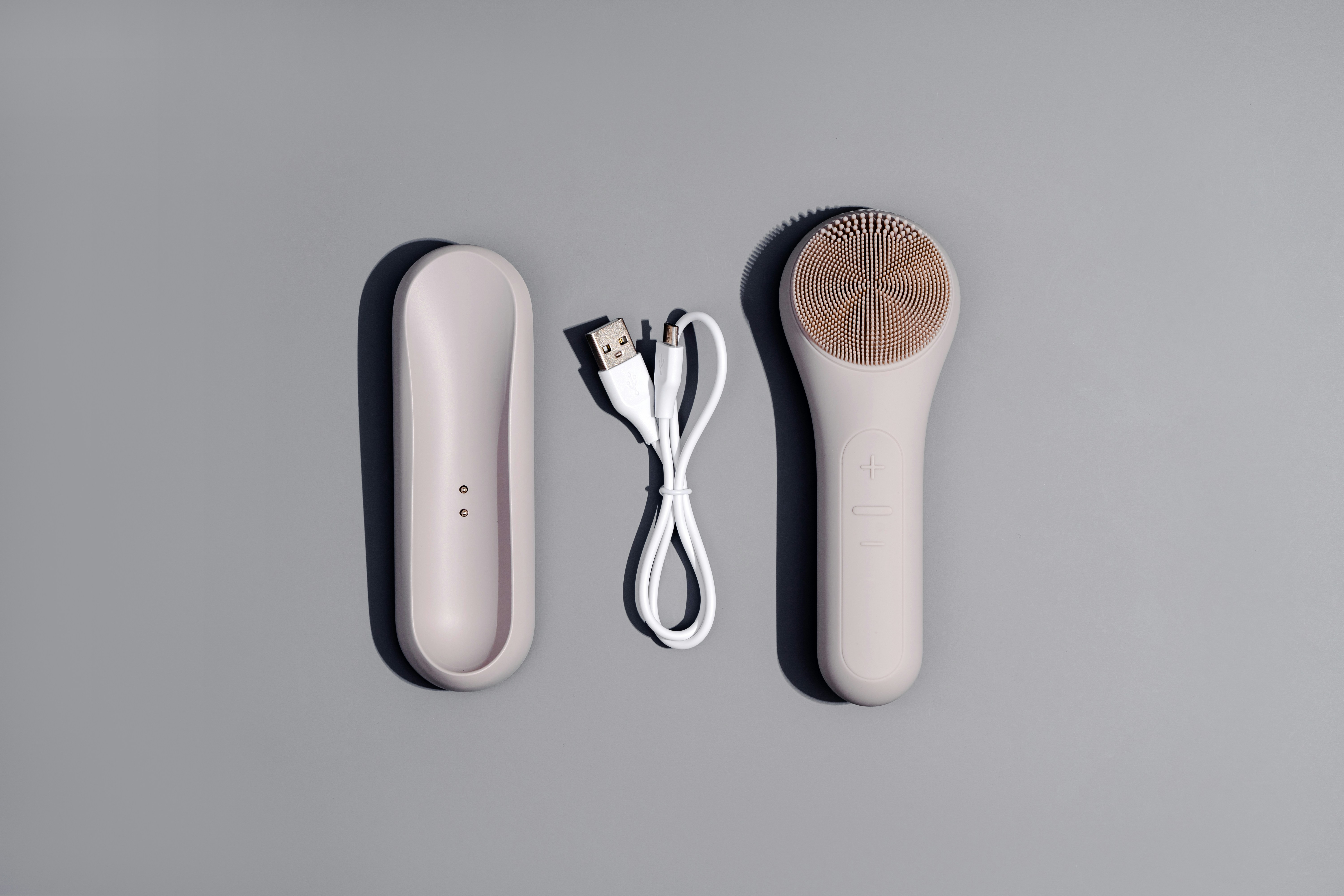
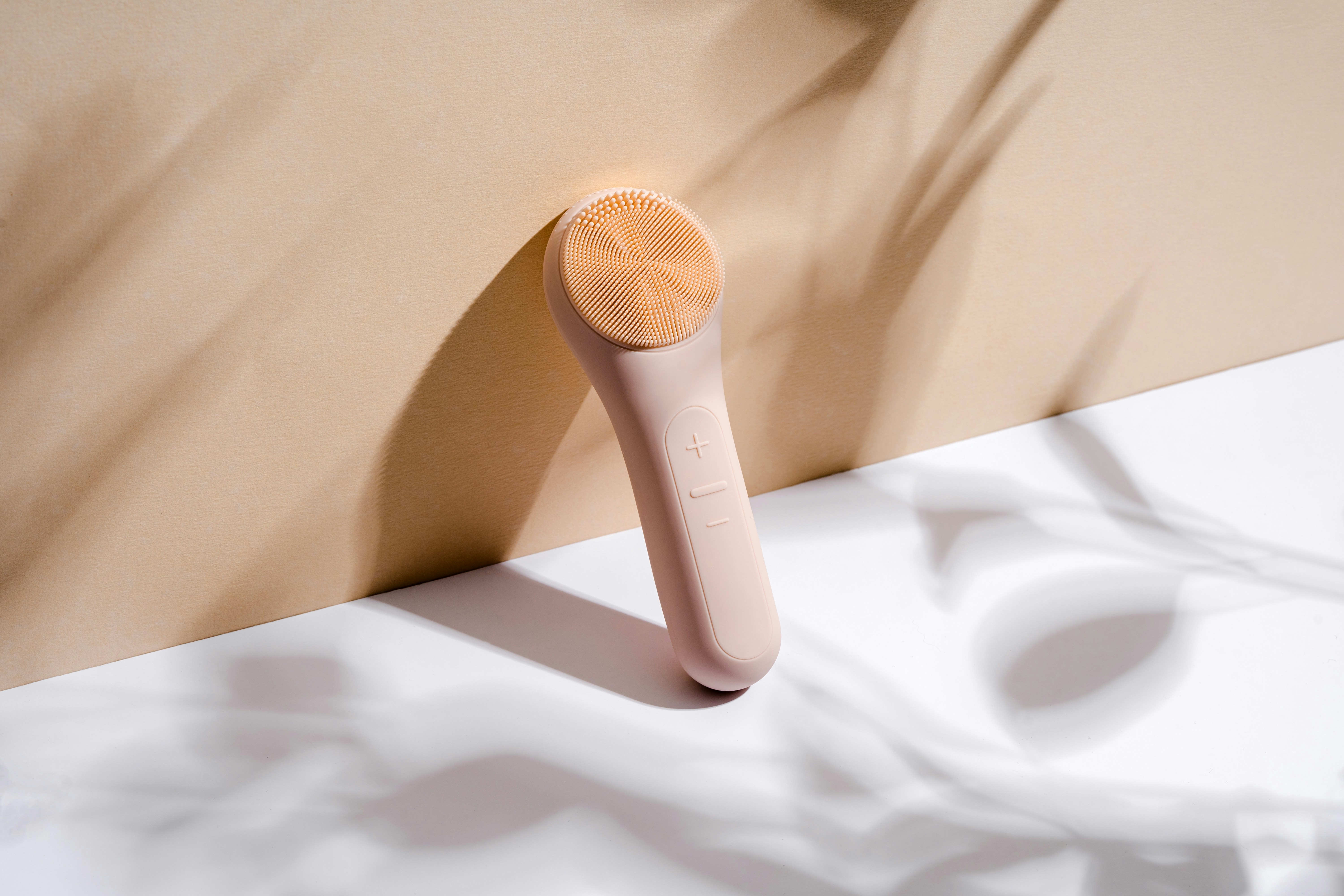
Les brosses motorisees (oscillantes, rotatives ou soniques) exfolient et nettoient mecaniquement la peau, offrant theoriquement un nettoyage plus profond que le lavage manuel. La litterature suggere que les brosses de nettoyage soniques peuvent ameliorer la texture de la peau et reduire l’acne lorsqu’elles sont utilisees de maniere appropriee, mais l’ampleur de l’effet est modeste. Une etude de 2018 a revele que le nettoyage par brosse sonique ameliorait l’acne et la texture de la peau sur 4 a 8 semaines par rapport au nettoyage manuel, mais les sujets utilisaient egalement un regime de soins standardise.
La surutilisation est le principal risque. Les utilisateurs enthousiastes peuvent sur-exfolier, compromettant la barriere cutanee et declenchant inflammation, eruptions et sensibilite. La regle generale : n’utilisez pas une brosse nettoyante plus d’une fois par jour (le soir), avec une pression douce, et remplacez la tete de brosse tous les 3 mois. Cela vaut-il le coup ? Pour la plupart des gens, non. Vos mains et un nettoyant doux font un excellent travail de nettoyage du visage. Le benefice supplementaire d’une brosse motorisee est faible. Si vous avez des problemes de congestion particuliers et voulez essayer, le Foreo Luna (silicone, tetes non remplacables, 50-200 euros selon le modele) est plus doux que les brosses a poils.
Un cadre de decision
Chaque achat de technologie beaute devrait etre evalue selon trois questions. L’appareil repond-il a une preoccupation specifique que vous avez reellement ? La therapie LED pour l’anti-age est une preoccupation specifique. “Je veux une meilleure peau” ne l’est pas — et aucun appareil ne peut remplacer une routine de soins coherente. Que disent les preuves independantes ? Pas les photos avant-apres sur le site de la marque. Pas les avis d’influenceurs avec des codes d’affiliation. La litterature clinique reelle, idealement avec des etudes non financees par le fabricant de l’appareil. Votre dermatologue est une bonne ressource. Allez-vous vraiment l’utiliser avec constance pendant la duree requise ? C’est la question qui elimine la plupart des achats. Un masque LED utilise 3 fois par semaine pendant 8 semaines peut produire des resultats. Un masque LED utilise deux fois par semaine pendant 2 semaines puis abandonne est juste du plastique cher dans un tiroir. Soyez honnete sur vos habitudes avant de depenser 400 euros pour un appareil qui exige un engagement.
L’essentiel
La technologie beaute ne remplace pas — et n’est pas un raccourci vers — les fondamentaux de bons soins de la peau. L’ecran solaire, un retinoide bien formule, et un nettoyage et une hydratation coherents produisent de meilleurs resultats que n’importe quel appareil. La technologie peut completer cette routine, mais seulement si vous avez d’abord la routine. Construisez votre fondation, puis demandez-vous si un appareil ajoute quelque chose de significatif par-dessus.