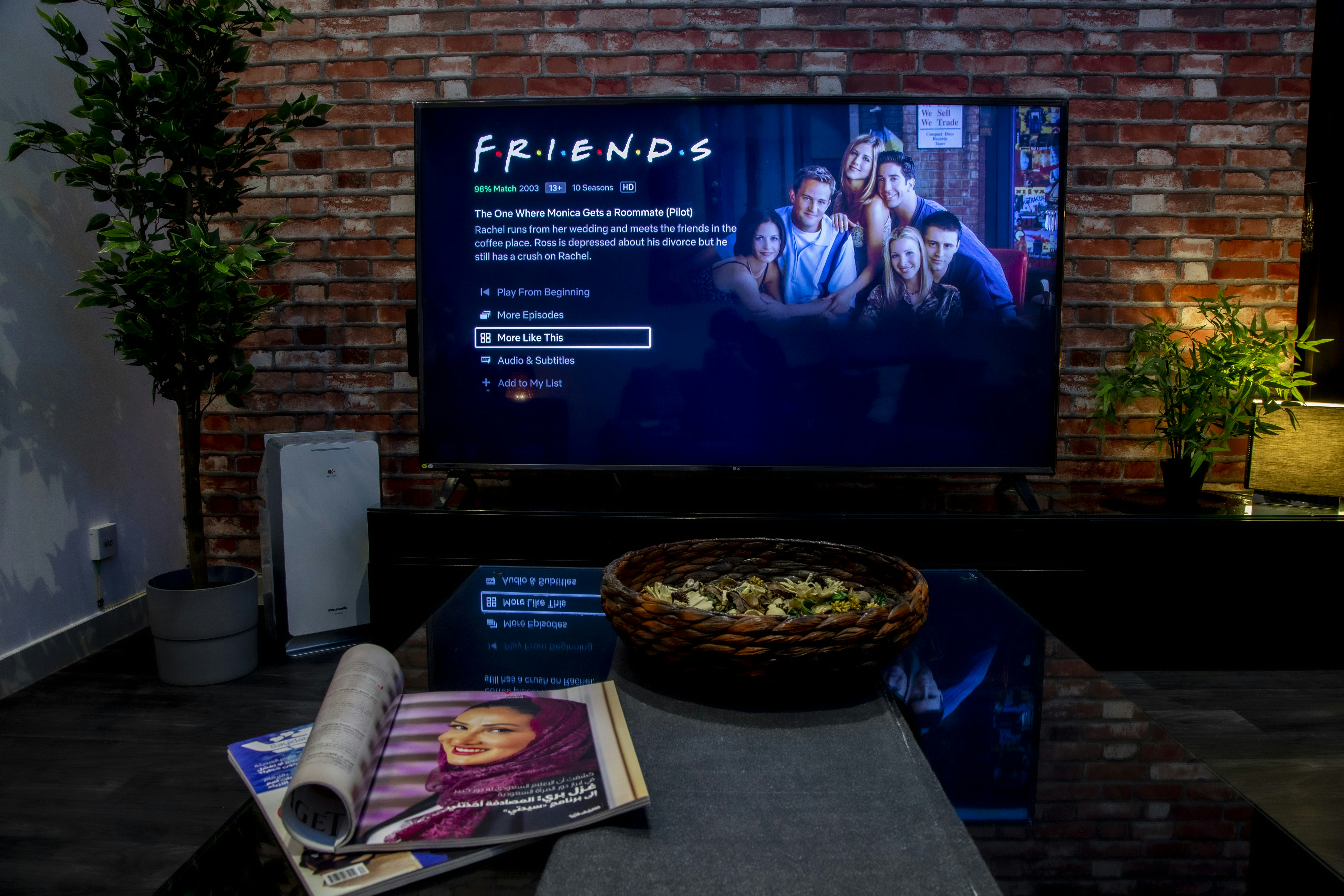
Le paysage du streaming en 2026 commence a ressembler de plus en plus a l’industrie du cable qu’il etait cense remplacer. Les prix ont augmente regulierement sur chaque service majeur. Le contenu est fragmente sur une douzaine de plateformes. Et la promesse de “regardez ce que vous voulez, quand vous voulez, pour un prix bas” a ete remplacee par la realite de jongler avec de multiples abonnements, chacun coutant 8-23 euros par mois, totalisant plus qu’un abonnement au cable n’a jamais coute.
Ce guide est une comparaison honnete et sans sentimentalite des principaux services de streaming — ce qu’ils offrent, ce qu’ils coutent et s’ils valent la peine d’etre conserves. L’objectif est de vous aider a construire une programmation de streaming que vous utilisez reellement, pas une a laquelle vous etes abonne par inertie.
La realite des couts
Si vous vous abonnez a tous les services suivants dans leurs versions sans publicite : Netflix (17 euros), Disney+ (14 euros), Hulu (18 euros), Max (17 euros), Amazon Prime Video (15 euros), Apple TV+ (10 euros) et Paramount+ (12 euros), vous depensez environ 103 euros par mois — environ 1 236 euros par an — en streaming. Ajoutez YouTube Premium (14 euros), Spotify (12 euros) et quelques services de niche, et le total mensuel depasse les 150 euros.
La strategie qui rend le streaming a nouveau abordable est simple : abonnez-vous a un ou deux services a la fois, regardez tout ce que vous voulez, resiliez et tournez. Chaque service de streaming permet des abonnements mensuels sans engagement, et la reinscription est instantanee — votre historique de visionnage et vos preferences sont conserves. Cette approche, parfois appelee “churn and return”, reduit le cout effectif du streaming de 60-75%.
Les principaux services, classes
Netflix (7 euros avec pubs / 17 euros sans pubs / 23 euros premium)
Le catalogue le plus grand et le plus diversifie. Netflix sort plus de contenu original que n’importe quel concurrent. L’algorithme est le meilleur du secteur — ses recommandations fonctionnent reellement. L’inconvenient : Netflix annule des series plus agressivement que n’importe quel concurrent. Cela vaut-il le coup ? Pour la plupart des gens, oui — mais faites-le tourner. Abonnez-vous 2-3 mois, binge-watchez ce que vous voulez, resiliez 4-6 mois et repetez.
Disney+ (8 euros avec pubs / 14 euros sans pubs)
Marvel, Star Wars, Pixar, Disney animation, National Geographic et Les Simpson. Un service cible — si ces franchises vous interessent, c’est essentiel ; sinon, il y a tres peu de contenu pour vous. Essentiel pour les familles avec enfants et les fans de franchises. Pour les autres, abonnez-vous un mois quand une sortie majeure arrive, puis resiliez.
Max (anciennement HBO Max, 10 euros avec pubs / 17 euros sans pubs)
Le catalogue complet de HBO (The Sopranos, The Wire, Game of Thrones, Succession) plus les films Warner Bros. La meilleure television de prestige. Pour les cinephiles, les collections TCM et Studio Ghibli ajoutent une valeur significative. Cela vaut le coup pour quiconque valorise la television de prestige de haute qualite.

Amazon Prime Video (15 euros/mois ou 139 euros/an, inclut la livraison Prime)
Si vous utilisez deja Amazon Prime pour la livraison, le service video est essentiellement gratuit. L’interface est la pire du streaming — encombree, confuse et concue pour vous vendre du contenu supplementaire. Cela vaut le coup si vous avez Prime pour la livraison.
Apple TV+ (10 euros/mois)
La meilleure qualite par titre, mais le plus petit catalogue. Vous pouvez regarder tout ce qui vaut la peine en 2-3 mois. Cela vaut le coup comme abonnement d’un mois par an.
Hulu (8 euros avec pubs / 18 euros sans pubs)
Acces le lendemain aux series TV actuelles des grands reseaux. Pour les telespectateurs americains qui veulent les series actuelles. Le niveau avec publicite est parmi les plus charges de pubs du streaming.
Comment construire votre rotation
Une strategie de rotation pratique pour deux services a la fois : janvier-fevrier Netflix, mars-avril Max, mai-juin Disney+, juillet-aout Hulu, septembre-octobre Netflix a nouveau, novembre-decembre Max ou Apple TV+. Cela coute environ 17-34 euros par mois au lieu de plus de 100 euros, economisant 800-1 000 euros par an.
Les seuls services qui valent un abonnement annuel sont Amazon Prime (si vous utilisez la livraison) et YouTube Premium (si vous regardez beaucoup YouTube). Le secteur du streaming compte sur votre oubli de resilier. Ne leur faites pas ce plaisir.
Paramount+ (6 euros avec pubs / 12 euros sans pubs)
Series CBS, films Paramount, contenu Showtime, Nickelodeon, MTV, Comedy Central et sports en direct (NFL, UEFA Champions League). Le meilleur pour les sports en direct et le contenu CBS. Pour les fans de NFL et de football, Paramount+ est quasiment essentiel pendant la saison. Le contenu original est le plus faible des services majeurs. Cela vaut le coup pendant la saison NFL pour les fans de football. Pour les autres, abonnez-vous un mois pour binger des series specifiques.
YouTube Premium (14 euros/mois)
YouTube sans publicite, YouTube Music (comparable a Spotify) et la possibilite de telecharger des videos pour une visualisation hors ligne. Si vous regardez beaucoup YouTube — tutoriels, critiques, essais, podcasts, actualites — eliminer les publicites transforme l’experience. YouTube Music inclus est un remplacement competent de Spotify. Pour les gros utilisateurs de YouTube, le rapport qualite-prix est excellent. Pour les utilisateurs occasionnels qui regardent quelques videos par semaine, probablement pas.
Comment construire votre rotation
Une strategie de rotation pratique pour deux services a la fois : janvier-fevrier Netflix (rattraper les sorties d’hiver), mars-avril Max (drames de prestige du printemps), mai-juin Disney+ (sorties blockbusters d’ete), juillet-aout Hulu (les nouvelles saisons TV commencent), septembre-octobre Netflix a nouveau (sorties d’automne), novembre-decembre Max ou Apple TV+ (visionnage des fetes).
Cette rotation coute environ 17-34 euros par mois (deux services sans publicite) au lieu de plus de 100 euros pour tous, economisant 800-1 000 euros par an. Les seuls services qui valent un abonnement annuel sont Amazon Prime (si vous utilisez l’avantage de livraison) et YouTube Premium (si vous regardez beaucoup YouTube).
L’essentiel
L’industrie du streaming est passee de tueur du cable a cable 2.0 — chere, fragmentee et concue pour vous garder abonne toute l’annee par inertie plutot que par choix intentionnel. La seule facon de gagner en tant que consommateur est de traiter le streaming comme un buffet tournant plutot qu’une collection permanente. Abonnez-vous, regardez ce que vous voulez, resiliez et passez a autre chose. Les services comptent sur votre oubli de resilier. Ne leur faites pas ce plaisir.
Les services de niche qui valent le coup
Au-dela des geants, quelques services de niche meritent d’etre consideres. Criterion Channel (11 euros/mois) : Pour les cinephiles serieux. La collection la plus complete de films classiques et etrangers disponible en streaming, avec des bonus organises par theme, realisateur et mouvement. Si vous aimez le cinema comme forme d’art plutot que comme divertissement, c’est le meilleur rapport qualite-prix du streaming. MUBI (13 euros/mois) : Un film par jour, trente films par mois, selectionnes par des conservateurs humains. Le modele est l’oppose de Netflix — la curation sur l’abondance. Excellent pour decouvrir du cinema independant et etranger.
Les services a eviter
Peacock : Sauf si vous etes un fan inconditionnel de The Office ou de la WWE, il y a peu de contenu exclusif qui justifie un abonnement. La version gratuite avec publicite est suffisante pour un visionnage occasionnel. ESPN+ : Ne diffuse pas les evenements ESPN principaux — c’est un service complementaire, pas un remplacement d’ESPN. Utile uniquement pour les sports de niche (UFC, soccer, certains sports universitaires). Discovery+ : La majeure partie de son contenu a ete fusionnee dans Max. En tant que service autonome, il est redondant. AMC+ : Une bibliotheque trop reduite pour justifier son prix, a moins d’etre specifiquement interesse par les series AMC comme The Walking Dead ou Interview with the Vampire.
Quand resilier
Le conseil le plus important en matiere de streaming : resiliez le jour meme de votre inscription. Vous conservez l’acces pour la periode payee, mais vous ne serez pas facture automatiquement le mois suivant. Si vous voulez continuer, vous pouvez toujours vous reabonner en trente secondes. Si vous oubliez, vous avez deja resilie. Cette simple habitude vous fera economiser des centaines d’euros par an en abonnements oublies. Les entreprises de streaming misent sur votre inertie. La resiliation immediate est la contre-mesure la plus efficace.
L’essentiel
L’industrie du streaming est passee de tueur du cable a cable 2.0 — chere, fragmentee, et concue pour vous garder abonne toute l’annee par inertie. La seule facon de gagner est de traiter le streaming comme un buffet tournant. Abonnez-vous, regardez, resiliez, passez au suivant.