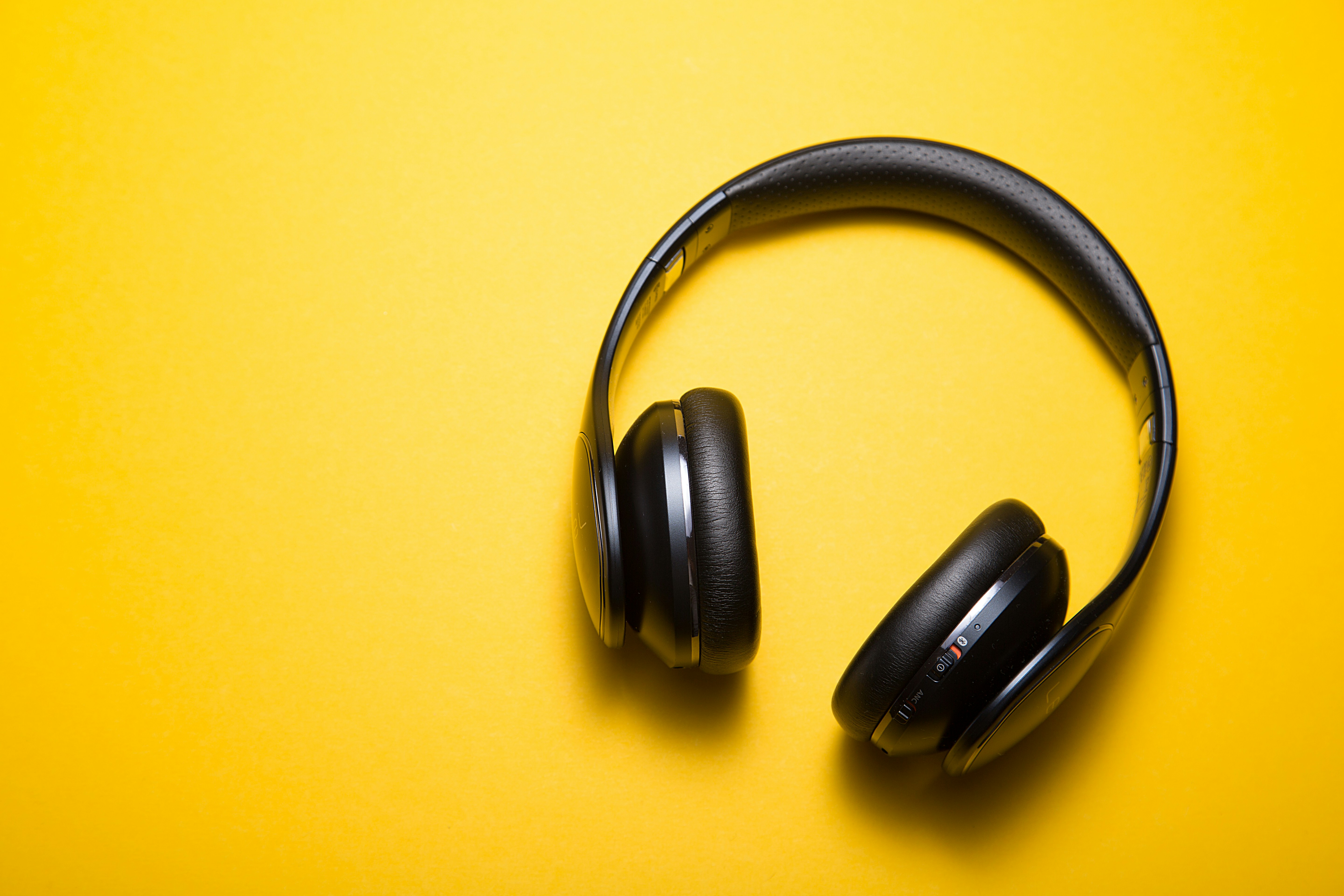
Le marche des casques a reduction de bruit est arrive a maturite au point ou les principaux acteurs — Sony, Bose, Apple et Sennheiser — sont engages dans une bataille d’ameliorations incrementales plutot que de sauts revolutionnaires. Chaque nouveau modele est legerement meilleur que son predecesseur, mais les differences entre les marques se sont reduites au point ou choisir entre elles est devenu veritablement difficile.
Ce qui suit est une evaluation honnete et comparative des quatre principaux casques a reduction de bruit en 2026, plus une recommandation budget et des conseils pour choisir celui qui vous convient.
Ce qui compte vraiment dans un casque a reduction de bruit
Avant de comparer des modeles specifiques, etablissons ce qui est important. La qualite de la reduction de bruit : l’efficacite avec laquelle le casque bloque les sons exterieurs. Les modeles phares modernes reduisent le bruit ambiant d’environ 25-30 decibels. La qualite sonore : subjective mais reelle. Certains casques privilegient la precision ; d’autres l’excitation. Le confort : le facteur le plus sous-estime. Un casque que vous pouvez porter pendant des heures est plus precieux qu’un modele avec une reduction de bruit legerement meilleure. L’autonomie : les modeles phares offrent tous plus de 20-30 heures. La qualite du micro pour les appels : la pandemie a eleve de maniere permanente l’importance de cette fonctionnalite.
Les concurrents
Sony WH-1000XM6 (350 euros)
La serie WH-1000X de Sony domine la categorie depuis pres d’une decennie, et la sixieme generation maintient cette avance — mais par une marge plus etroite que jamais. La reduction de bruit reste la meilleure disponible — le systeme a double processeur de Sony s’adapte a votre environnement en temps reel. La qualite sonore est chaleureuse, engageante et legerement axee sur les basses. Le confort est excellent : 20 grammes de moins que le modele precedent. La qualite d’appel est considerablement amelioree. Idéal pour : Quiconque veut le meilleur performeur polyvalent avec la meilleure reduction de bruit.
Bose QuietComfort Ultra (429 euros)
Bose a invente les casques a reduction de bruit, et le QuietComfort Ultra represente leur effort le plus raffine. La reduction de bruit est marginalement derriere Sony, mais le confort est le meilleur de cette liste — plus leger sur la tete, avec des coussinets plus moelleux. Idéal pour : Les utilisateurs qui privilegient le confort, les grands voyageurs.
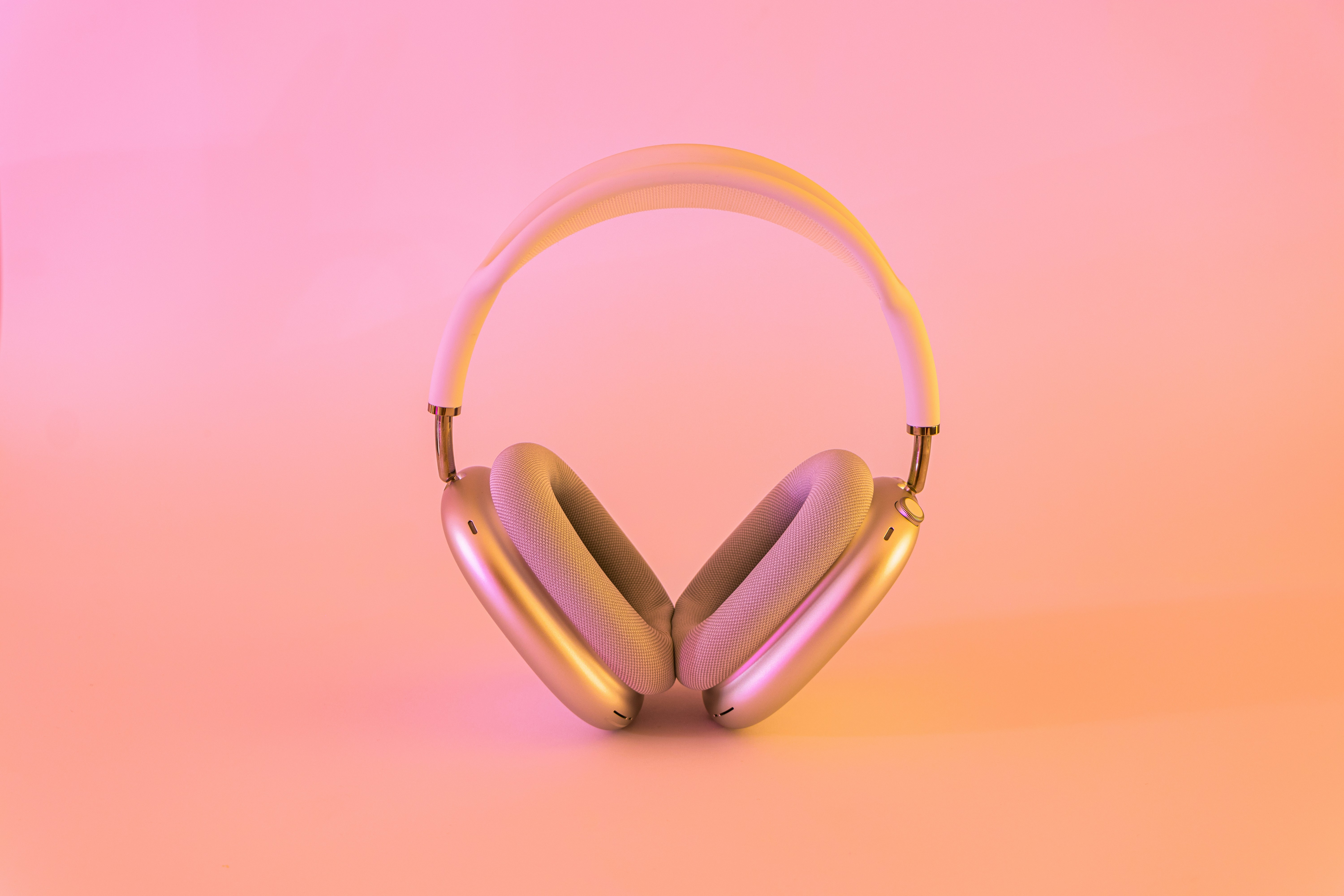
Apple AirPods Max (549 euros)
L’option la plus chere et la plus clivante. La reduction de bruit est excellente, a egalite avec Sony et Bose. Le mode Transparence est le meilleur du secteur. La qualite sonore est impressionnante, equilibree et detaillee. Le confort est controverse : le poids de 385 grammes est important. La qualite de fabrication est exceptionnelle. La qualite d’appel est la meilleure disponible. Idéal pour : Les utilisateurs de l’ecosysteme Apple qui valorisent la qualite de fabrication et passent beaucoup de temps en appels.
Sennheiser Momentum 4 (350 euros)
Le choix de l’audiophile dans la categorie sans fil a reduction de bruit. La reduction de bruit est bonne mais pas la meilleure de sa categorie. La qualite sonore est la meilleure pour l’ecoute critique — plus neutre et raffinee. L’autonomie est la meilleure : 60 heures, soit environ le double de la concurrence. Idéal pour : Les passionnes d’audio qui privilegient la qualite sonore.
Choix budget : Anker Soundcore Space One (100 euros)
Environ 80% des performances pour 20% du prix. Reduction de bruit etonnamment efficace. Qualite sonore agreable. Idéal pour : Les acheteurs soucieux de leur budget, les etudiants.
Comment choisir
Sony pour la plupart des gens. Bose pour le confort. Apple pour l’ecosysteme. Sennheiser pour la qualite sonore. Anker pour le budget. Essayez-les avant d’acheter si possible.
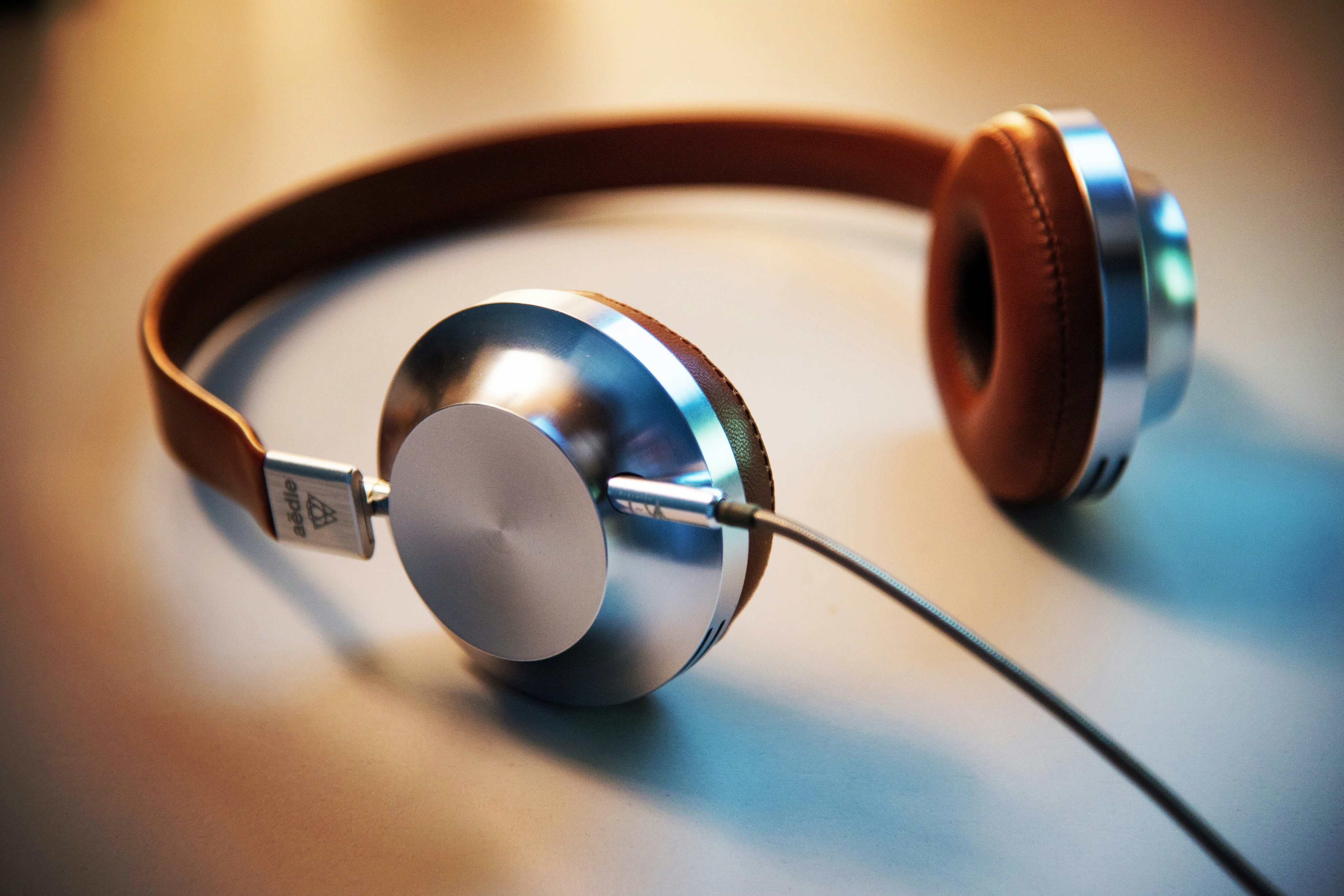
Sony WH-1000XM6 en detail
Le Sony WH-1000XM6 (350 euros) est le sixieme chapitre de la serie la plus dominante de l’histoire des casques. La reduction de bruit reste la meilleure disponible : le systeme a double processeur s’adapte en temps reel, et la difference est la plus perceptible dans la gamme des frequences moyennes (voix, bavardages de bureau) ou les concurrents peinent encore. Dans un avion, le XM6 reduit le bruit de la cabine a un murmure. La qualite sonore est chaleureuse, engageante et legerement axee sur les basses. L’application compagnon inclut un egaliseur complet qui vous permet de regler le son selon vos preferences. Le confort est excellent — 20 grammes de moins que le XM5, avec un poids bien reparti. La plupart des utilisateurs peuvent les porter toute une journee de travail sans inconfort. La qualite d’appel est considerablement amelioree par rapport au XM5, desormais competitive avec les AirPods Max.
Bose QuietComfort Ultra en detail
Les Bose QuietComfort Ultra (429 euros) representent l’effort le plus raffine de l’entreprise qui a invente les casques a reduction de bruit. La reduction de bruit est marginalement derriere Sony dans les tests objectifs, mais la difference est suffisamment petite pour que la plupart des utilisateurs ne la remarquent pas sans comparaison directe. La force de Bose reside dans l’annulation des basses frequences — le grondement des moteurs, le bruit de la circulation — ou ils restent sans doute les meilleurs. La qualite sonore marque un depart par rapport a l’accordage historiquement neutre de Bose — le QC Ultra ajoute de l’audio spatial et une signature sonore plus dynamique. Le confort est le meilleur de cette liste. Si le confort est votre priorite absolue, choisissez ceux-ci. La qualite d’appel est tres bonne, bien que pas tout a fait aussi efficace pour la suppression du bruit de fond que les AirPods Max ou le dernier Sony.
Apple AirPods Max en detail
Les Apple AirPods Max (549 euros) sont l’option la plus chere et la plus clivante. La reduction de bruit est excellente, a egalite avec Sony et Bose. Le mode Transparence est le meilleur du secteur — on a presque l’impression de ne pas porter de casque. La qualite sonore est impressionnante, equilibree et detaillee, avec des basses plus serrees et des mediums plus articules. Le confort est controverse : le bandeau en mesh repartit bien le poids, mais les casques eux-memes sont lourds a 385 grammes (contre 250 grammes pour Sony). Certains les trouvent confortables pendant des heures ; d’autres developpent des points de pression. La qualite de fabrication est exceptionnelle — aluminium, acier inoxydable, un niveau de qualite materielle qui justifie une partie du supplement de prix. La qualite d’appel est la meilleure disponible. Pour les travailleurs a distance qui passent des heures en appels, cela seul peut justifier le supplement.
Sennheiser Momentum 4 en detail
Les Sennheiser Momentum 4 (350 euros) sont le choix de l’audiophile. La reduction de bruit est bonne mais pas la meilleure — les voix passent plus que sur le Sony ou le Bose. La qualite sonore est la meilleure de cette comparaison pour l’ecoute critique. L’autonomie est la caracteristique remarquable a 60 heures, soit environ le double de la concurrence. Si vous detestez charger des appareils frequemment, c’est un avantage significatif.
Comment choisir
Choisissez le Sony WH-1000XM6 si vous voulez la meilleure reduction de bruit et le meilleur performeur polyvalent. Choisissez le Bose QuietComfort Ultra si le confort est votre priorite absolue. Choisissez l’Apple AirPods Max si vous etes profondement dans l’ecosysteme Apple et passez des heures en appels. Choisissez le Sennheiser Momentum 4 si la qualite sonore compte plus pour vous que la reduction de bruit. Choisissez l’Anker Soundcore Space One si vous voulez depenser 100 euros plutot que 350 euros et plus. Les differences entre les quatre premiers sont suffisamment petites pour que la preference personnelle compte plus que toute comparaison objective.