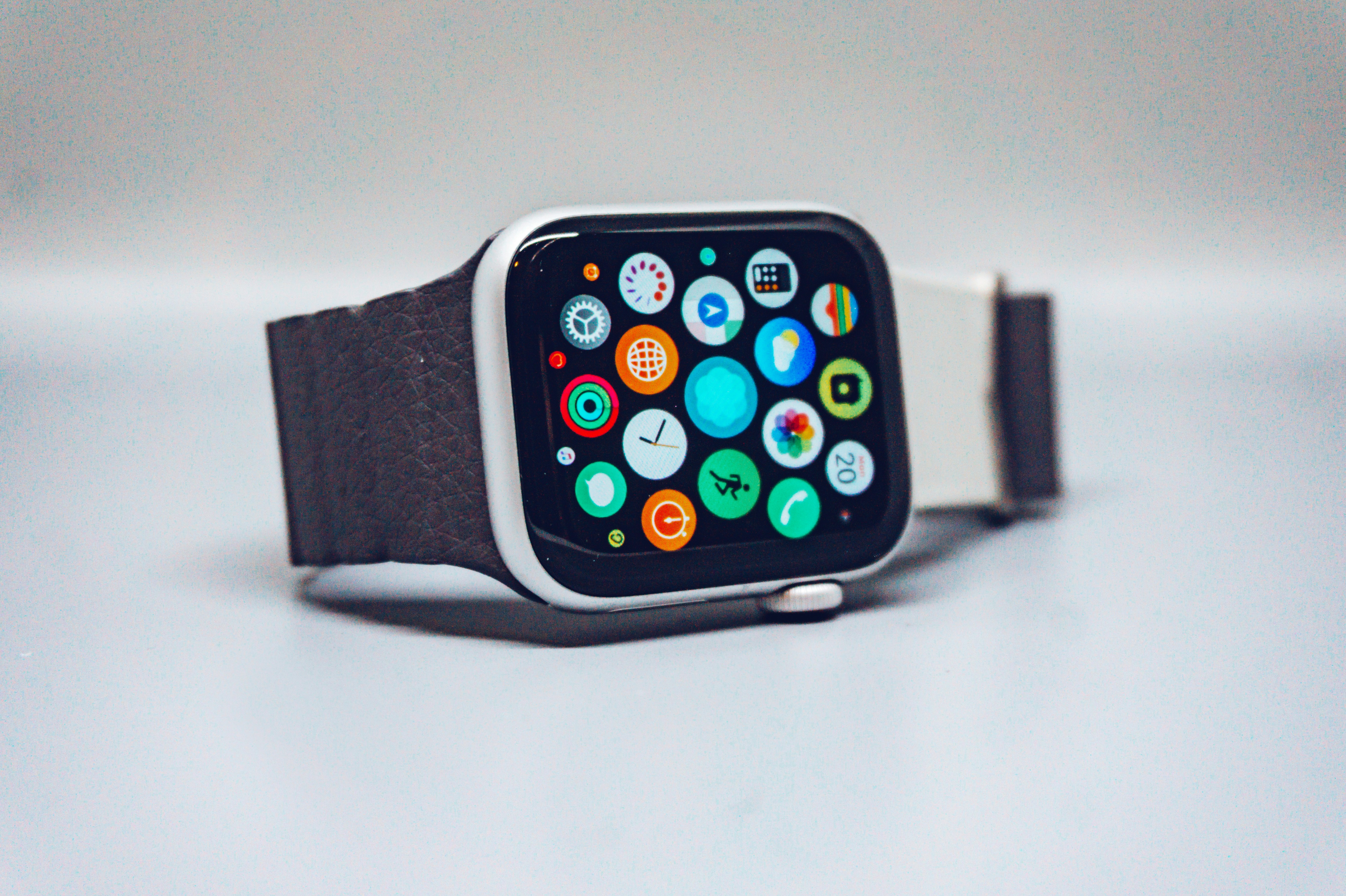
Le marché des montres connectées s’est stabilisé dans un schéma stable après des années d’évolution rapide. Apple domine le segment premium. Samsung et Google mènent les alternatives Android. Garmin possède la niche axée sur le fitness. Et une poignée de fabricants spécialisés — Withings, Amazfit, Fitbit — occupent des niches de prix et de fonctionnalités spécifiques. Le choix est plus simple que le nombre d’options ne le suggère : votre décision est principalement déterminée par le téléphone que vous utilisez et ce que vous voulez que la montre fasse.
Voici une évaluation honnête des principaux acteurs et comment choisir entre eux.
Apple Watch Series 10 (399 € et plus)
L’Apple Watch est la montre connectée par défaut pour une raison : c’est la montre la plus polie, la plus performante et la plus complètement prise en charge disponible. Elle s’intègre parfaitement avec l’iPhone — notifications, appels, messages, contrôle de la musique et données de santé se synchronisent automatiquement. L’écosystème d’applications est bien plus vaste que celui de n’importe quel concurrent. Les fonctionnalités de santé — surveillance du rythme cardiaque, ECG, oxygène sanguin, suivi du sommeil, détection de température — sont complètes et approuvées par la FDA quand c’est applicable.
Pour qui : Les utilisateurs d’iPhone. Il n’y a pas de véritable alternative dans l’écosystème Apple. L’Apple Watch ne fonctionne qu’avec l’iPhone, et aucune autre montre connectée ne fonctionne aussi bien avec l’iPhone.
Le compromis : L’autonomie. L’Apple Watch doit être rechargée tous les 1 à 2 jours. Pour la plupart des utilisateurs, la recharge nocturne pendant le sommeil est la norme — mais cela signifie que vous ne pouvez pas suivre le sommeil (sauf si vous rechargez pendant la journée).
Quel modèle : Le modèle standard en aluminium GPS (399 €) est suffisant pour la plupart des utilisateurs. Le modèle en acier inoxydable (699 € et plus) ajoute un boîtier plus durable et un écran en cristal de saphir. La version cellulaire (supplément de 100 €) permet les appels et messages sans téléphone — utile pour les coureurs et toute personne souhaitant laisser son téléphone derrière elle.
Samsung Galaxy Watch 7 (299 € et plus)
La meilleure montre connectée pour les utilisateurs d’Android. L’intégration Wear OS de Samsung avec Google donne accès au Play Store, Google Maps, Google Wallet et Google Assistant. La lunette tournante (sur les modèles Classic) est la meilleure interface de navigation physique sur n’importe quelle montre connectée.
Pour qui : Les utilisateurs d’Android, en particulier les propriétaires de téléphones Samsung. Fonctionne avec n’importe quel téléphone Android mais certaines fonctionnalités de santé nécessitent un téléphone Samsung.
Le compromis : Un écosystème d’applications moins poli que l’Apple Watch, et le suivi de santé de Samsung — bien qu’amélioré — n’égale pas la précision d’Apple ou de Garmin pour certaines mesures.
Google Pixel Watch 3 (349 € et plus)
La propre montre connectée de Google, maintenant dans sa troisième génération, offre l’expérience Wear OS la plus propre et la meilleure intégration Fitbit. C’est l’alternative la plus proche de l’expérience Apple pour Android — design raffiné, intégration profonde des services Google et excellent suivi fitness via Fitbit.
Pour qui : Les utilisateurs d’Android qui veulent une expérience plus raffinée, proche de celle d’Apple, et préfèrent l’écosystème de Google à celui de Samsung.
Le compromis : Options de taille limitées (41 mm et 45 mm uniquement) et une autonomie similaire à celle de l’Apple Watch (1 à 2 jours).
Garmin (200 € à plus de 1 000 €)
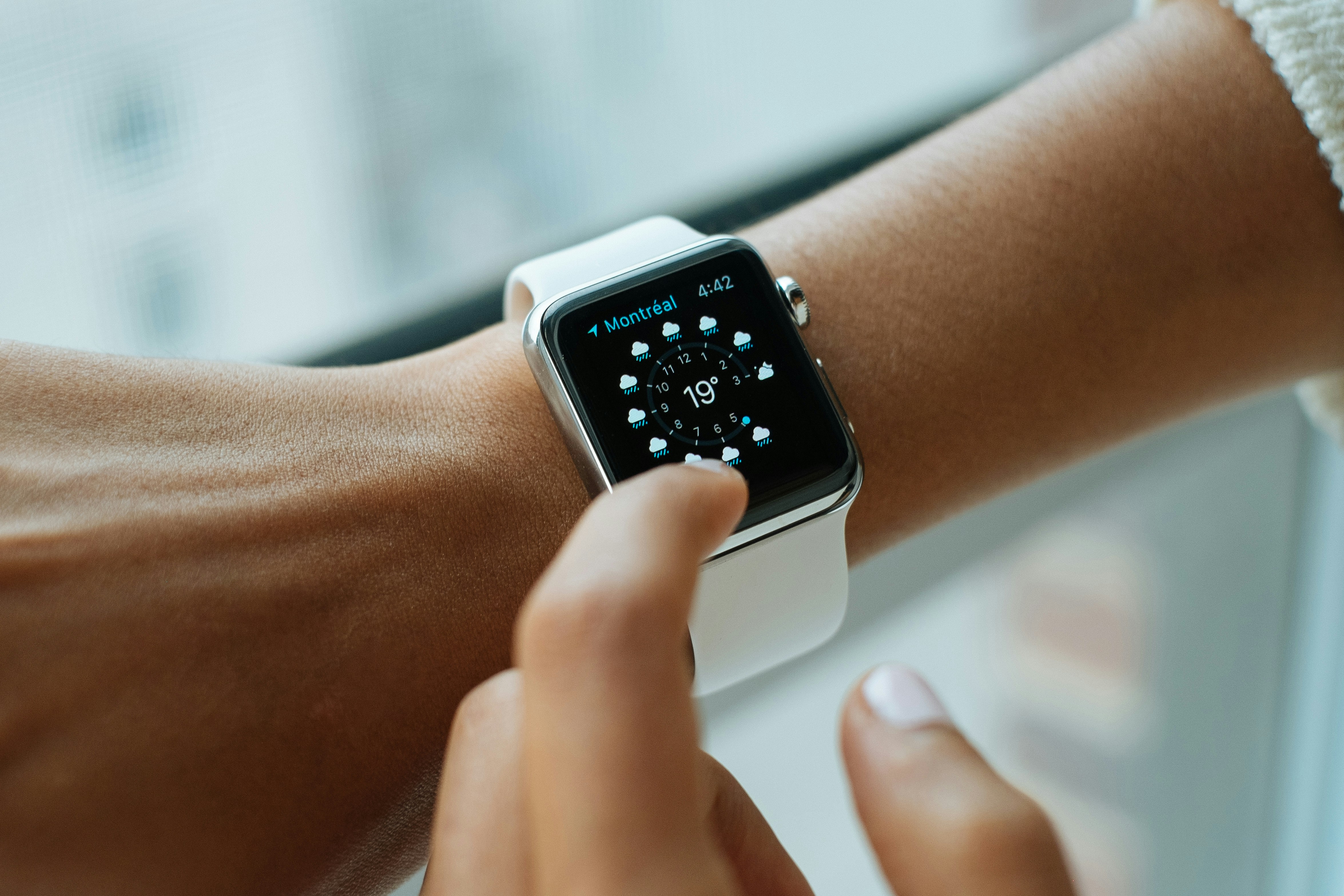
Garmin n’est pas une montre — c’est un écosystème d’appareils allant des trackers de fitness d’entrée de gamme aux montres d’aventure en plein air premium. Ce qui les unit : une autonomie leader du secteur (5 jours à plusieurs semaines selon le modèle), les mesures de fitness et d’entraînement les plus détaillées disponibles, et une focalisation sur la fonction plutôt que sur l’apparence.
Pour qui : Les coureurs, cyclistes, triathlètes, randonneurs et tous ceux qui privilégient le suivi de fitness et l’autonomie sur les fonctionnalités connectées et un écran haut de gamme.
Le compromis : Moins performant en tant que montre connectée générale. Les notifications sont basiques. La technologie d’affichage (memory-in-pixel ou MIP sur la plupart des modèles) privilégie l’autonomie et la visibilité extérieure sur la résolution et la vivacité des couleurs. Moins d’applications tierces.
Quel modèle : Forerunner 265 (450 €) pour les coureurs. Venu 3 (450 €) pour une option plus orientée lifestyle avec écran AMOLED. Fenix 8 (plus de 1 000 €) pour les athlètes de plein air sérieux. Instinct 2 (300 €) pour une option robuste et longue autonomie.
Withings ScanWatch (300 à 400 €)
Une montre connectée hybride — elle ressemble à une montre analogique traditionnelle mais inclut le rythme cardiaque, l’ECG, l’oxygène sanguin, le suivi du sommeil et des notifications de base. L’autonomie est de 30 jours parce qu’il n’y a pas d’écran gourmand en énergie.
Pour qui : Les personnes qui veulent un suivi de santé sans porter une montre connectée évidente. Le design est authentiquement élégant — elle ressemble à une montre, pas à un gadget.
Le compromis : Des fonctionnalités connectées extrêmement limitées. Pas d’applications, pas de contrôle musical, pas d’assistant vocal. C’est un tracker de santé dans un corps de montre, pas une montre connectée.
Comment choisir
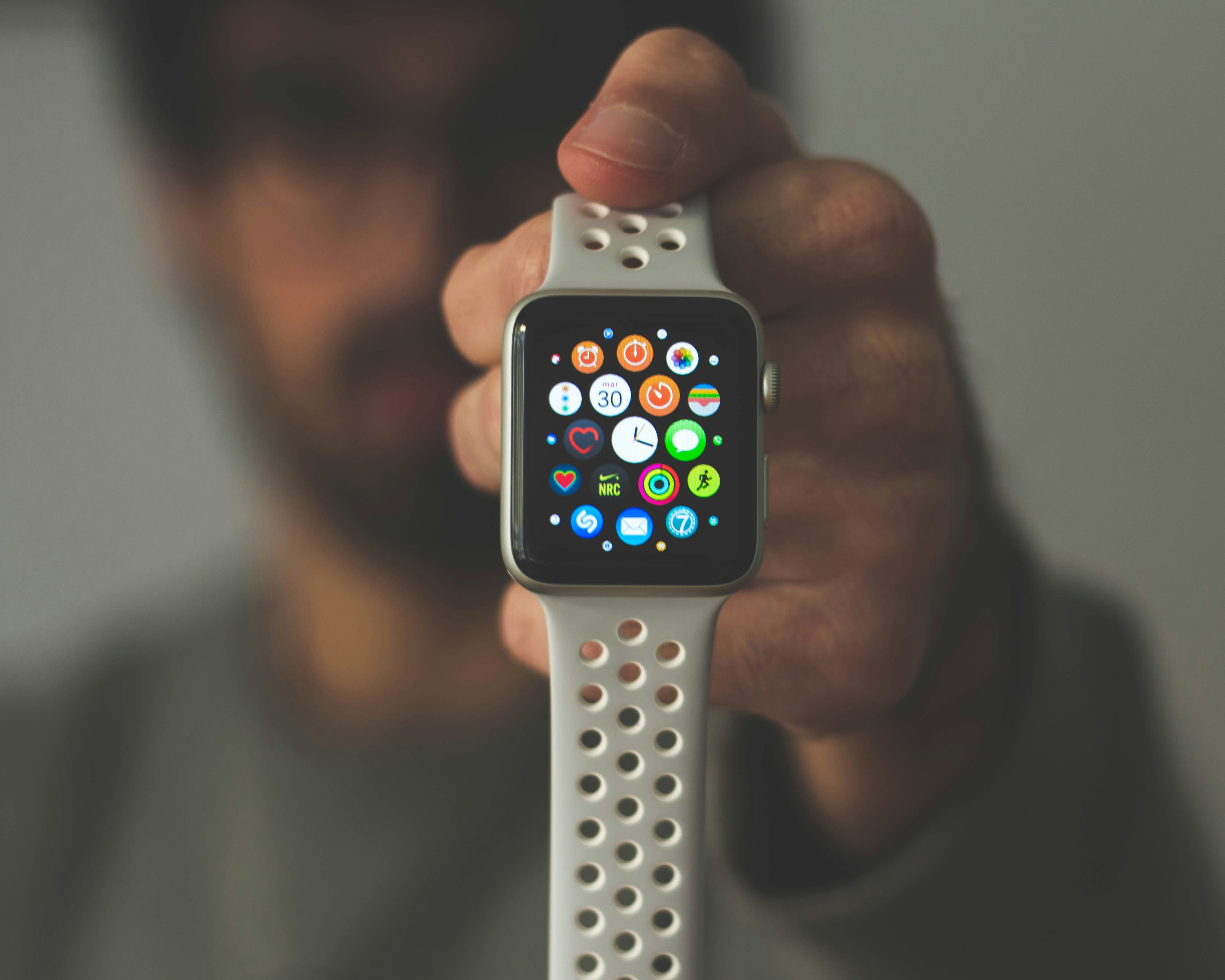
Si vous avez un iPhone : Apple Watch. Aucune concurrence sérieuse n’existe.
Si vous avez un téléphone Android et voulez une montre connectée générale : Samsung Galaxy Watch ou Google Pixel Watch.
Si le fitness est votre priorité : Garmin. Les métriques d’entraînement détaillées et l’autonomie de plusieurs jours sont inégalées.
Si vous voulez un suivi de santé sans montre connectée évidente : Withings. L’autonomie dure des semaines et elle ressemble à une montre normale.
Si vous voulez dépenser le moins possible : Amazfit (50 à 200 €). La proposition de valeur est excellente — des appareils étonnamment performants à une fraction du prix des grandes marques. Le compromis est un logiciel moins poli et un suivi de santé moins précis.
Le marché des montres connectées a mûri au point où toutes les options majeures sont bonnes. Le choix dépend moins de laquelle est « la meilleure » que des compromis que vous êtes prêt à accepter.