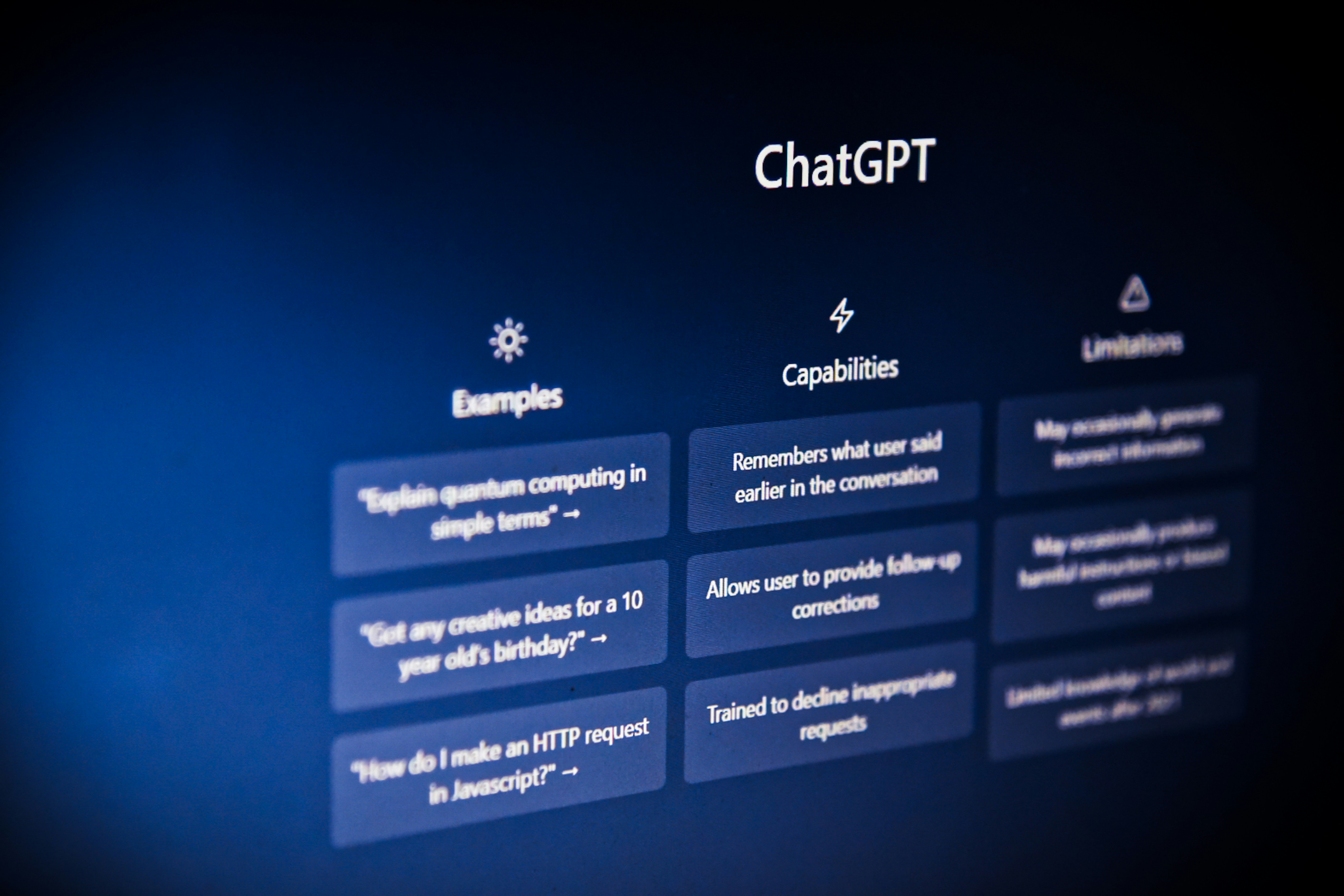
La conversation autour de l’intelligence artificielle est devenue détachée de la réalité. D’un côté, les évangélistes prétendent que l’IA va révolutionner tous les aspects de l’existence humaine d’ici quelques années. De l’autre, les sceptiques la rejettent comme un autocomplétion survendu qui produit des textes plausibles mais absurdes. La vérité, comme d’habitude, est entre les deux : l’IA est vraiment utile pour des tâches spécifiques, vraiment inutile pour d’autres, et ses limites actuelles sont aussi importantes à comprendre que ses capacités.
Ce guide se concentre sur ce qui fonctionne réellement en 2026 — des outils que vous pouvez utiliser aujourd’hui et qui apportent une valeur réelle, sans le battage médiatique ni la peur.
Ce que l’IA fait vraiment bien
Les modèles de langage IA (ChatGPT, Claude, Gemini) sont des systèmes de reconnaissance de motifs entraînés sur d’énormes quantités de texte. Ils ne pensent pas, ne comprennent pas et ne raisonnent pas — mais ils peuvent reconnaître et reproduire des motifs avec une fluidité remarquable. Cela les rend vraiment utiles pour :
La synthèse. Donner à une IA un long document, un article ou un fil d’emails et lui demander un résumé est l’un de ses cas d’usage les plus fiables. La synthèse est une tâche de reconnaissance de motifs, et l’IA excelle à identifier et condenser les informations clés.
La rédaction et l’édition. L’IA peut générer un premier brouillon d’écrits routiniers — emails, comptes rendus de réunion, rapports, lettres de motivation — que vous éditez et personnalisez ensuite. Utiliser l’IA pour surmonter la page blanche, plutôt que pour produire un travail fini, est l’approche la plus efficace.
Expliquer des sujets complexes. L’IA peut expliquer des concepts à différents niveaux de complexité. « Explique-moi l’informatique quantique comme si j’étais un lycéen » fonctionne vraiment bien. Les explications ne sont pas toujours parfaitement exactes dans les détails, mais elles sont remarquablement bonnes pour construire une compréhension initiale.
La traduction. La traduction IA s’est considérablement améliorée et est maintenant compétitive avec les outils de traduction spécialisés pour les paires de langues courantes. Elle est particulièrement bonne pour saisir les nuances et les expressions que les anciens systèmes de traduction manquaient.
L’assistance au codage. Les assistants de codage IA peuvent générer du code standard, expliquer du code inconnu, suggérer des corrections de bugs et convertir entre langages de programmation. Ils ne remplacent pas le besoin de comprendre la programmation, mais ils réduisent significativement le temps passé sur les tâches de codage routinières.
Ce que l’IA fait mal
Comprendre les limites de l’IA est aussi important que comprendre ses capacités :
Faits et exactitude. Les systèmes IA « hallucinent » — ils génèrent des informations plausibles mais incorrectes. Ils ne savent pas ce qui est vrai ; ils savent ce qui sonne comme si cela pouvait être vrai d’après leurs données d’entraînement. N’utilisez jamais l’IA comme source unique d’information factuelle. Vérifiez toujours.
Actualités. La plupart des systèmes IA ont une date de coupure des connaissances et ne peuvent pas accéder aux informations après cette date sans intégration explicite de recherche web. Même avec la recherche, ils peuvent ne pas distinguer de manière fiable les sources autorisées des sources non fiables.
Pensée originale. L’IA recombine des motifs existants ; elle ne crée pas d’idées vraiment nouvelles. Elle peut produire des combinaisons inédites de concepts existants, ce qui ressemble parfois à de la créativité. Elle ne peut pas avoir une intuition originale ou une idée vraiment nouvelle.
Conseils personnels. L’IA peut fournir des conseils génériques basés sur des motifs dans ses données d’entraînement. Elle ne peut pas comprendre votre situation, vos relations ou votre contexte spécifique. Traitez les conseils générés par l’IA comme un point de départ pour votre propre réflexion, pas comme un avis.
Tout ce qui nécessite du jugement. L’IA ne sait pas ce qui compte et ce qui ne compte pas. Elle traite toutes les informations comme également significatives, sauf indication explicite contraire. Les tâches nécessitant une priorisation, du goût ou un jugement contextuel sont fondamentalement au-delà des capacités actuelles de l’IA.
Les outils qui valent le coup
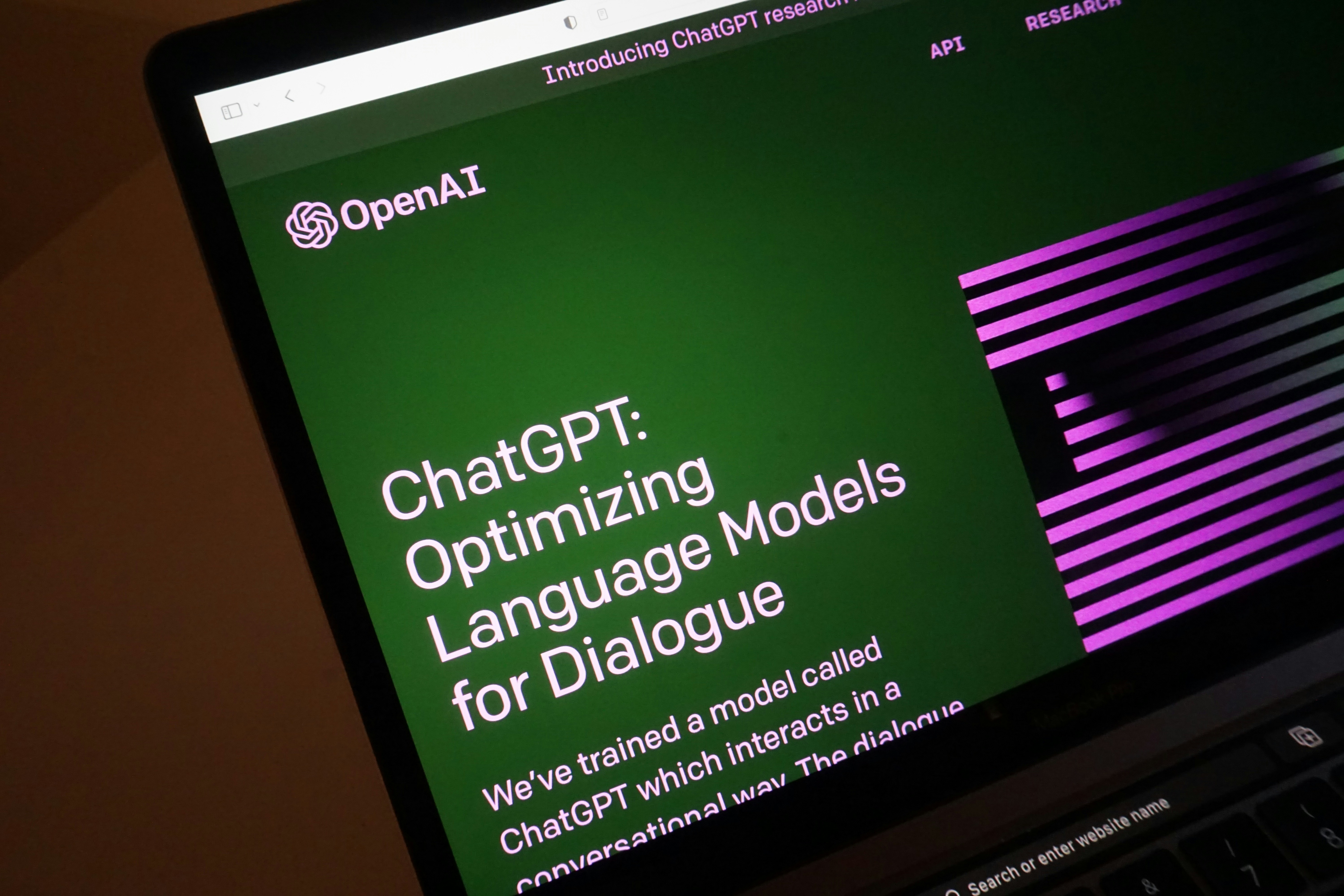
ChatGPT (gratuit, Plus 20 €/mois) : L’assistant IA le plus largement utilisé. GPT-4o est compétent dans un large éventail de tâches. Le niveau gratuit est suffisant pour la plupart des usages occasionnels. Le niveau Plus ajoute des réponses plus rapides, un accès prioritaire et des fonctionnalités avancées.
Claude (gratuit, Pro 20 €/mois) : L’assistant IA d’Anthropic, connu pour des réponses plus nuancées et réfléchies et une fenêtre de contexte plus large (la quantité de texte qu’il peut traiter en une fois). Claude est particulièrement bon pour analyser de longs documents et fournir des réponses détaillées et bien structurées.
Perplexity (gratuit, Pro 20 €/mois) : Un moteur de recherche IA qui combine les capacités des modèles de langage avec la recherche web en temps réel et des citations de sources. Pour les tâches de recherche où l’exactitude compte, la fonction de citation est essentielle — vous pouvez vérifier chaque affirmation en consultant la source.
GitHub Copilot (10 €/mois) : Pour les programmeurs, l’outil IA le plus impactant disponible. Il autocomplète le code, suggère des corrections
et peut générer des fonctions entières à partir de descriptions en langage naturel. Les gains de temps sont significatifs et mesurables.
L’approche pratique
La façon la plus efficace d’utiliser l’IA en 2026 est comme un assistant, pas un oracle — un outil qui accélère votre travail plutôt que de le faire à votre place. Rédigez, puis éditez. Générez des idées, puis filtrez. Résumez, puis lisez l’original. La combinaison de la vitesse de l’IA et du jugement humain produit de meilleurs résultats que l’un ou l’autre seul.
Ignorez le battage médiatique sur l’AGI, la singularité et l’IA remplaçant tous les emplois. Concentrez-vous sur ce que les outils peuvent réellement faire pour vous aujourd’hui. Pour la plupart des gens, c’est un assistant d’écriture vraiment utile, un accélérateur de recherche et un outil d’explication — rien de tout cela ne nécessite de comprendre comment fonctionnent les architectures de transformeurs ou d’avoir une opinion sur l’intelligence artificielle générale.