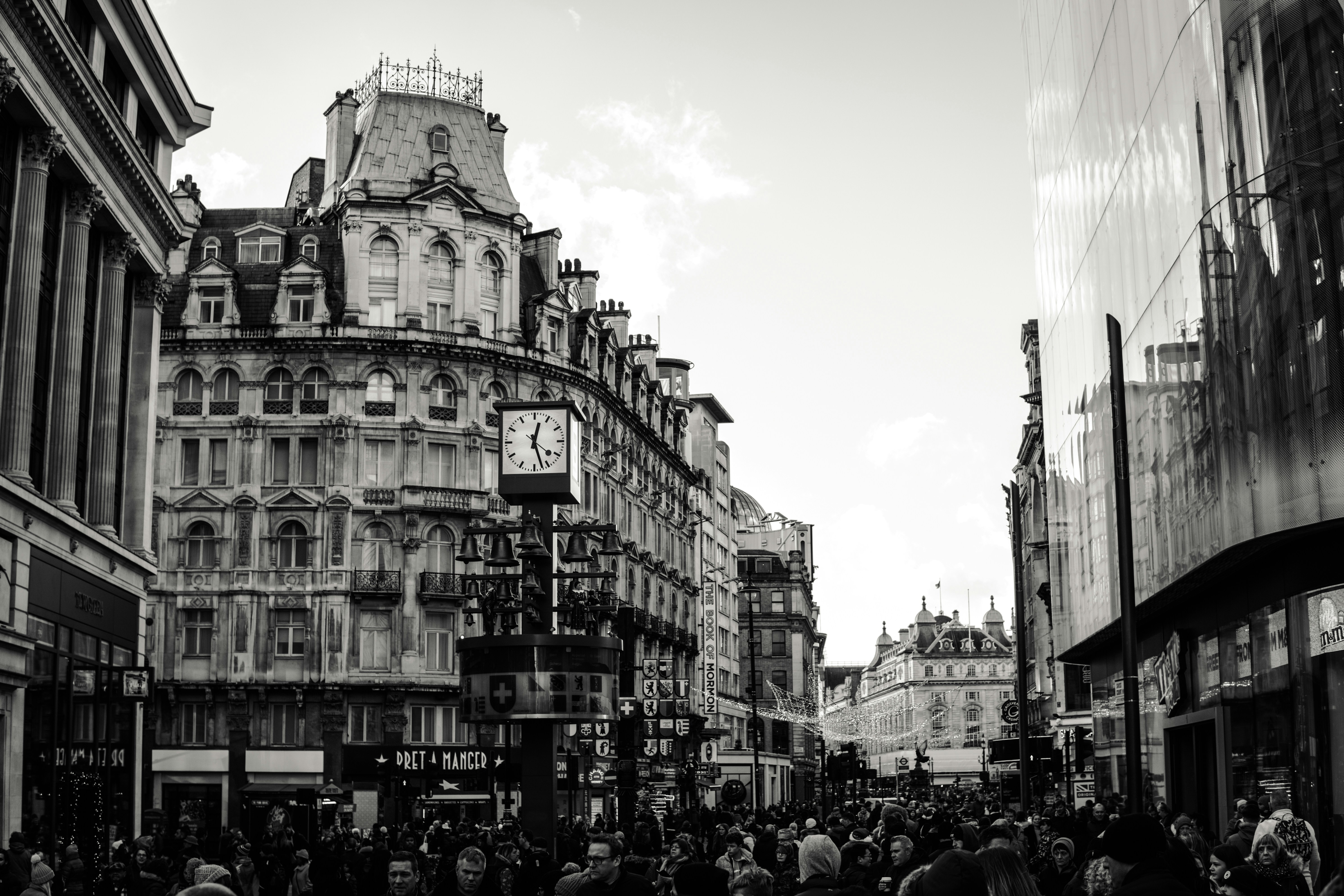
Le tour europeen classique — dix villes en quatorze jours, un nouvel hotel chaque nuit, une liste d’attractions a photographier puis a quitter — est un vestige d’une epoque ou voyager consistait a collectionner des destinations comme des timbres sur un passeport. C’etait epuisant, cher, et laissait les voyageurs avec un flou de cathedrales et de gares plutot qu’un veritable sentiment d’avoir ete quelque part.
Le voyage lent a emerge en reponse a ce modele, mais c’est plus que simplement voyager moins. C’est une philosophie fondamentalement differente de ce que le voyage est cense etre. Au lieu de traiter une destination comme une collection d’attractions a consommer, le voyage lent la traite comme un lieu a habiter temporairement. Vous restez plus longtemps dans moins d’endroits. Vous vivez dans des quartiers, pas dans des zones hotelieres. Vous faites vos courses aux marches, cuisinez des repas, apprenez quelques phrases de la langue locale et laissez le rythme de l’endroit — plutot qu’un itineraire reserve a l’avance — faconner vos journees.
Pourquoi voyager lentement
La profondeur plutot que l’etendue
Quand vous passez une semaine dans un seul quartier, vous developpez des relations et des rythmes impossibles lors d’un arret de deux nuits. Le proprietaire du cafe vous reconnait. Vous apprenez quel etal du marche a les meilleurs produits. Vous decouvrez que la boulangerie du coin sort du pain frais a 16h, et vous commencez a programmer votre promenade de l’apres-midi en consequence. Ces petites experiences cumulatives s’additionnent pour creer un veritable sentiment d’appartenance.
Il y a aussi un argument neurologique. Notre cerveau encode les souvenirs plus richement lorsque nous avons des experiences repetees et variees dans le meme environnement. Une seule visite a un monument produit un souvenir superficiel. Des visites repetees du meme quartier a differents moments de la journee, par differentes meteo, dans differentes humeurs, produisent une carte mentale en trois dimensions qui reste avec vous bien plus longtemps.
Moins de stress, plus de decouvertes
L’itineraire multi-villes est une machine logistique : des trains a des horaires precis, des hotels avec des creneaux d’arrivee, des attractions avec des entrees reservees a l’avance. C’est un emploi du temps aussi rigide qu’un calendrier de travail, transporte dans un cadre plus pittoresque. Un train retarde et tout le systeme s’effondre.
Le voyage lent demantele cette machine. Avec seulement une ou deux bases par semaine, il n’y a pas de valises a faire et defaire frenetiquement, pas d’anxiete a propos d’une correspondance manquee, pas de file d’attente pour une attraction reservee il y a des mois et que vous n’avez plus envie de visiter. L’espace mental qui en resulte est exactement la ou la decouverte se produit — la conversation imprevue, le detour dans une rue interessante, l’apres-midi passe a ne rien faire de particulier qui s’avere etre la partie la plus memorable du voyage.
Une empreinte environnementale plus legere
Le transport est generalement la composante la plus importante de l’empreinte carbone d’un voyage, et les deplacements interurbains frequents multiplient cet impact. Rester au meme endroit plus longtemps reduit considerablement la charge de transport par jour. Cela tend egalement a concentrer les depenses dans une seule economie locale, ou elles peuvent avoir un impact plus significatif, plutot que de les repartir finement sur plusieurs destinations.
Un meilleur rapport qualite-prix
Le voyage lent est souvent moins cher par jour que le voyage rapide multi-villes, pour la simple raison que vous ne payez pas de transport tous les deux jours. Les hebergements coutent moins cher quand on reserve a la semaine plutot qu’a la nuit. Vous etes aussi plus susceptible de faire vos courses aux marches et de cuisiner certains repas, ce qui reduit considerablement les couts de nourriture par rapport a une restauration a chaque repas.
Comment faire du voyage lent
Choisir la bonne destination
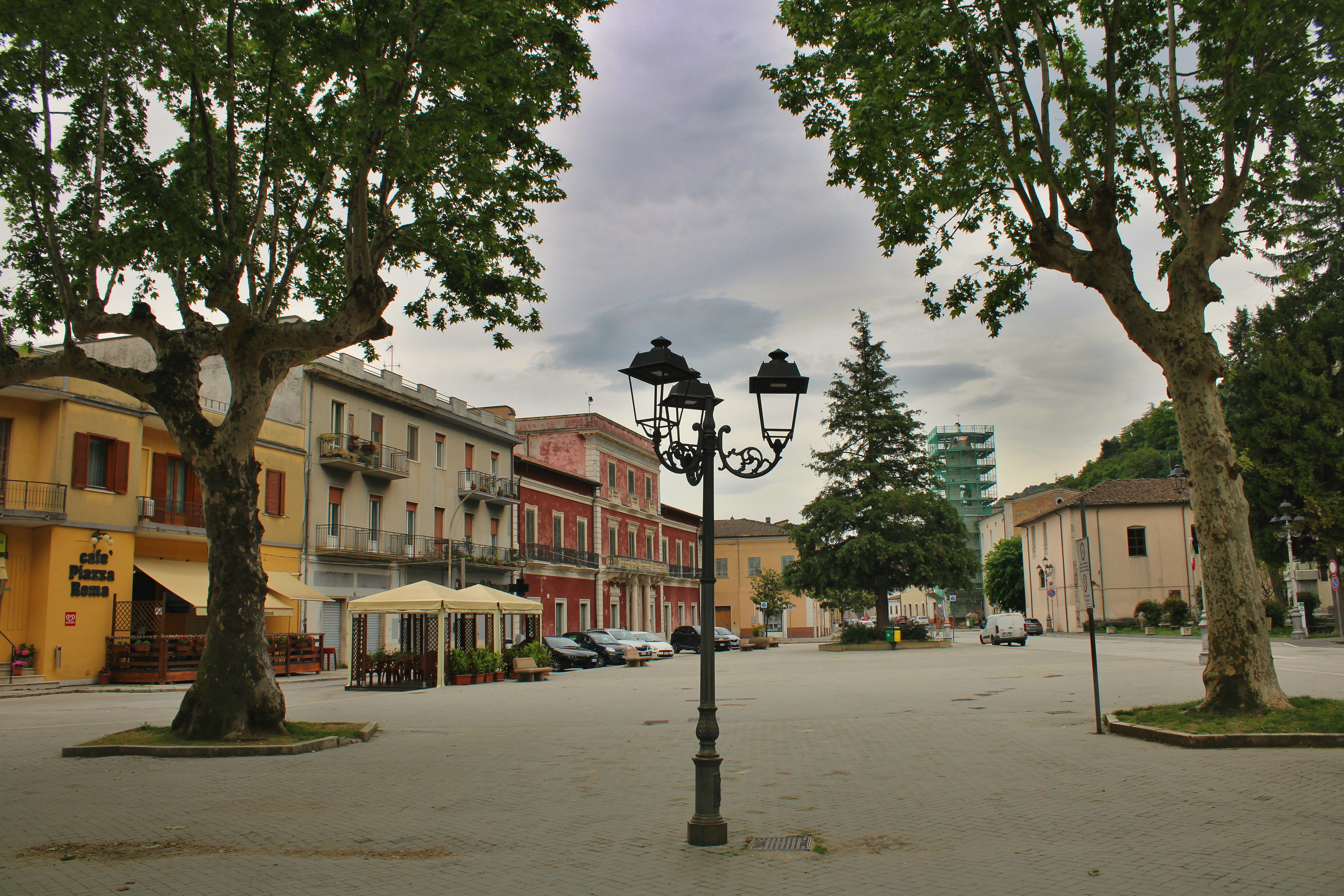
Le voyage lent fonctionne mieux dans des lieux qui recompensent la flanerie plutot que le checklisting. Une ville avec des quartiers distincts, un centre pietonnier, de bons marches publics et une culture des cafes est ideale. Les zones rurales avec des sentiers de randonnee, de petits villages et des elements naturels conviennent tout aussi bien. Les stations balneaires concues pour les courts sejours, les destinations qui existent principalement autour d’une seule attraction et les lieux avec une infrastructure locale limitee sont moins gratifiants pour le voyage lent.
Destinations excellentes pour debutants : Paris (arrondissements exterieurs), Lisbonne, Kyoto, Chiang Mai, Oaxaca, Bologne, le Peloponnese, les Highlands ecossais, la Toscane rurale, le Vietnam cotier et les petites iles grecques.
Rester au meme endroit
La pratique fondamentale du voyage lent : choisissez un quartier ou un petit village et restez-y au moins une semaine. Pas un hotel dans un quartier touristique — un appartement, une maison d’hotes ou un petit hotel dans une zone residentielle. L’objectif est de vivre quelque part, meme brievement, plutot que de le visiter.
Ce qu’il faut rechercher dans une base de voyage lent : une cuisine ou kitchenette (cuisiner avec des ingredients locaux est un plaisir fondamental du voyage lent), la proximite a pied d’un marche, d’une boulangerie et d’un cafe, un caractere residentiel plutot que touristique et de bonnes connexions de transport en commun pour les excursions d’une journee.
Structurer ses journees differemment
Une journee de voyage lent a une forme differente d’une journee touristique. Le matin : cafe au cafe du coin, courses au marche pour la nourriture du jour, pratique de la langue avec le vendeur — pas de hate, le matin est pour habiter, pas pour consommer. Le midi : une activite d’ancrage — un musee, une promenade, un quartier specifique a explorer — mais une seule. L’apres-midi : les heures lentes, lire dans un parc, un long dejeuner, flaner sans destination. Le soir : cuisiner avec les ingredients du marche, une promenade apres le diner, un verre au bar local ou vous devenez un habitué, au lit a une heure raisonnable.
Accepter de perdre du temps
Le plus difficile pour beaucoup est le sentiment de perdre du temps — que chaque moment non passe devant une attraction est un moment gaspille. C’est l’etat d’esprit du touriste que le voyage lent combat deliberement. Certaines des experiences de voyage les plus riches surviennent quand on ne fait rien de particulier : observer des enfants jouer sur une place, remarquer comment les voisins interagissent, noter la qualite de la lumiere a differents moments de la journee. Ce ne sont pas des moments perdus. Ce sont les moments qui vous donnent la sensation d’un lieu.
Les excursions d’une journee sont autorisees
Le voyage lent ne signifie pas ne jamais quitter sa base. Une excursion d’une journee dans une ville voisine, une randonnee dans la campagne environnante, une visite d’un site specifique — tout cela peut enrichir votre experience sans compromettre l’ethique du voyage lent. La difference est que vous rentrez au meme endroit le soir
Le voyage lent est une competence
Comme toute competence, il s’ameliore avec la pratique. Votre premiere experience pourrait etre inconfortable. Perseverez. La recompense est une facon plus riche, plus memorable et finalement plus humaine de decouvrir le monde.