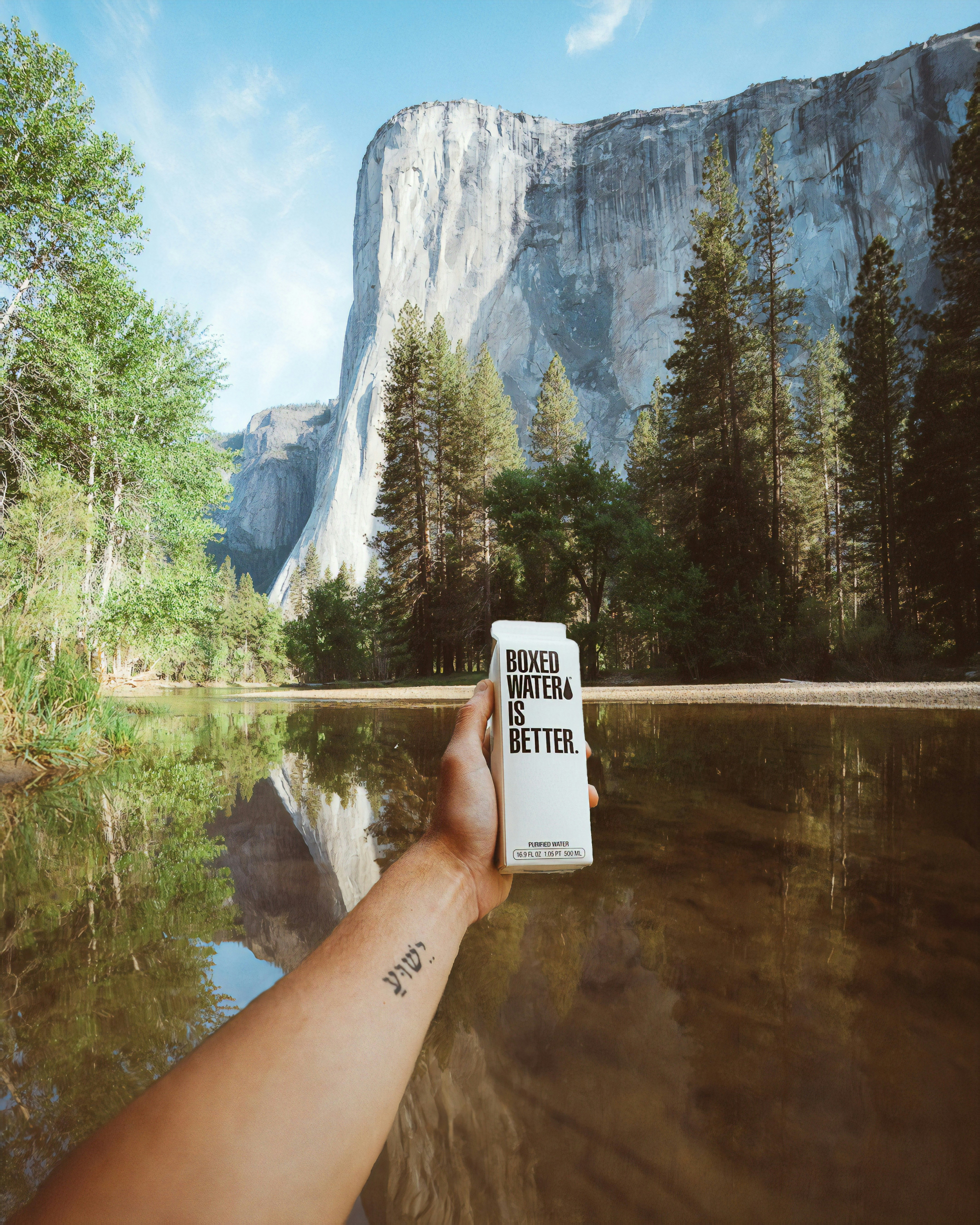
Le plus grand hack de voyage n’est pas une carte de credit ni une strategie de reservation. C’est de voyager avec un seul bagage a main. Pas de frais de bagage en soute. Pas d’attente au tapis a bagages. Pas d’angoisse de valise perdue. Pas besoin de trainer une lourde valise sur des paves ou de monter cinq etages d’escalier dans un immeuble sans ascenseur. Juste vous et un petit sac, vous deplacant dans le monde sans entrave.
Voyager avec un bagage a main uniquement pour des voyages de n’importe quelle duree — oui, meme deux semaines, meme un mois — n’est pas une question de privation. C’est une question de comprendre quelques principes d’efficacite et d’etre pret a faire une lessive une fois par semaine. Voici le systeme complet.
Pourquoi voyager avec un bagage a main uniquement ?
Les avantages pratiques sont clairs : vous economisez de l’argent (les frais de bagage en soute sont en moyenne de 30 a 40 euros par trajet sur les grandes compagnies), vous gagnez du temps (pas d’attente au tapis a bagages, pas besoin d’arriver en avance pour enregistrer un bagage) et vous eliminez le risque de bagages perdus ou retardes — une experience de plus en plus courante alors que le transport aerien devient plus tendu.
Mais l’avantage moins evident est psychologique. Un sac leger change votre facon de vous deplacer pendant un voyage. Vous pouvez marcher de la gare a votre hebergement au lieu de prendre un taxi. Vous pouvez changer de plan spontanement sans vous soucier de vos bagages. Vous pouvez naviguer dans les transports en commun bondes sans etre la personne qui bloque l’allee avec une enorme valise. Il y a une correlation directe entre la quantite de bagages que vous emportez et la mesure dans laquelle vos bagages dictent votre experience.
Les principes
Principe 1 : Une palette de couleurs coordonnees
C’est la base de l’efficacite. Chaque piece dans votre sac doit fonctionner avec chaque autre piece, ce qui signifie que tout doit partager une palette de couleurs coherente. Quand chaque haut va avec chaque bas, six hauts et trois bas vous donnent dix-huit tenues — pas six. La formule de la palette pour bagage a main : 2 neutres de base (noir, marine, anthracite, camel ou creme), 1 couleur d’accent (n’importe quelle couleur que vous aimez — bordeaux, olive, bleu, rouille), 1 metal pour les accessoires (or, argent ou or rose — choisissez-en un). Chaque vetement dans votre sac doit s’inscrire dans cette palette. Cette contrainte est ce qui fait fonctionner le calcul.
Principe 2 : La selection des tissus compte plus que la quantite
Privilegiez les tissus legers (lin, laine merinos, coton leger, soie et synthetiques de qualite concus pour le voyage prennent moins de place), infroissables (la laine merinos resiste naturellement aux plis, certains melanges synthetiques sont concus pour la recuperation des plis), a sechage rapide (si vous prevoyez de faire la lessive en chemin, les tissus a sechage rapide signifient que vous pouvez laver quelque chose le soir et le porter le lendemain matin) et resistants aux odeurs (la laine merinos est la reference ici — elle resiste naturellement a la croissance bacterienne et peut etre portee plusieurs fois entre les lavages).
Principe 3 : La regle 1-2-3-4
Un cadre de depart utile pour les voyages de toute duree : 1 paire de chaussures portee (la plus volumineuse), 1 paire de chaussures dans le sac (legere, compactable), 2 bas, 3 hauts + 1 porte le jour du voyage, 4 paires de sous-vetements et chaussettes. Cela donne assez de variete pour une semaine entre les cycles de lessive, qui peuvent etre repetes indefiniment.
Principe 4 : La tenue de voyage est strategique
Ce que vous portez dans l’avion doit etre vos articles les plus volumineux et les plus lourds. Cela signifie generalement vos chaussures les plus lourdes (bottes ou baskets), votre couche la plus epaisse (veste, blazer ou pull), votre pantalon le plus lourd (jean ou pantalon de tailleur) et une echarpe qui fait office de couverture d’avion.
La liste complete
Hauts (5-6) : 2 t-shirts en laine merinos, 1 chemise en coton ou soie, 1 pull ou cardigan leger, 1 caraco en soie, 1 chemise a col. Bas (3) : 1 jean fonce (porte dans l’avion), 1 pantalon de tailleur, 1 deuxieme bas leger (pantalon en lin pour climats chauds, pantalon en laine pour climats frais). Sous-vetements et chaussettes (4-5 paires). Exterieur (1-2) : 1 blazer ou veste (porte), 1 veste de pluie compactable. Chaussures (2 total) : 1 paire de marche confortable (portee), 1 paire compactable (mocassins, ballerines ou sandales legeres). Accessoires : 1 ceinture (portee), 1 echarpe, bijoux minimaux.
Le systeme de lessive
Le secret qui rend le voyage en bagage a main possible pour des voyages de duree indefinie : faire la lessive en chemin. Lessive dans le lavabo (gratuite, 5 minutes) pour les vetements techniques. Laverie automatique une fois par semaine (90 minutes). Service de blanchisserie de l’hebergement. Un bouchon de lavabo universel en caoutchouc plat coute environ 3 euros.
Articles de toilette : le kit minimal
Sac pour liquides (conforme TSA) : hydratant avec SPF, dentifrice, baume ou huile nettoyante. Solides : shampooing solide, deodorant, brosse a dents. La regle d’or : si votre hebergement le fournit, utilisez le leur.
Le test avant le depart
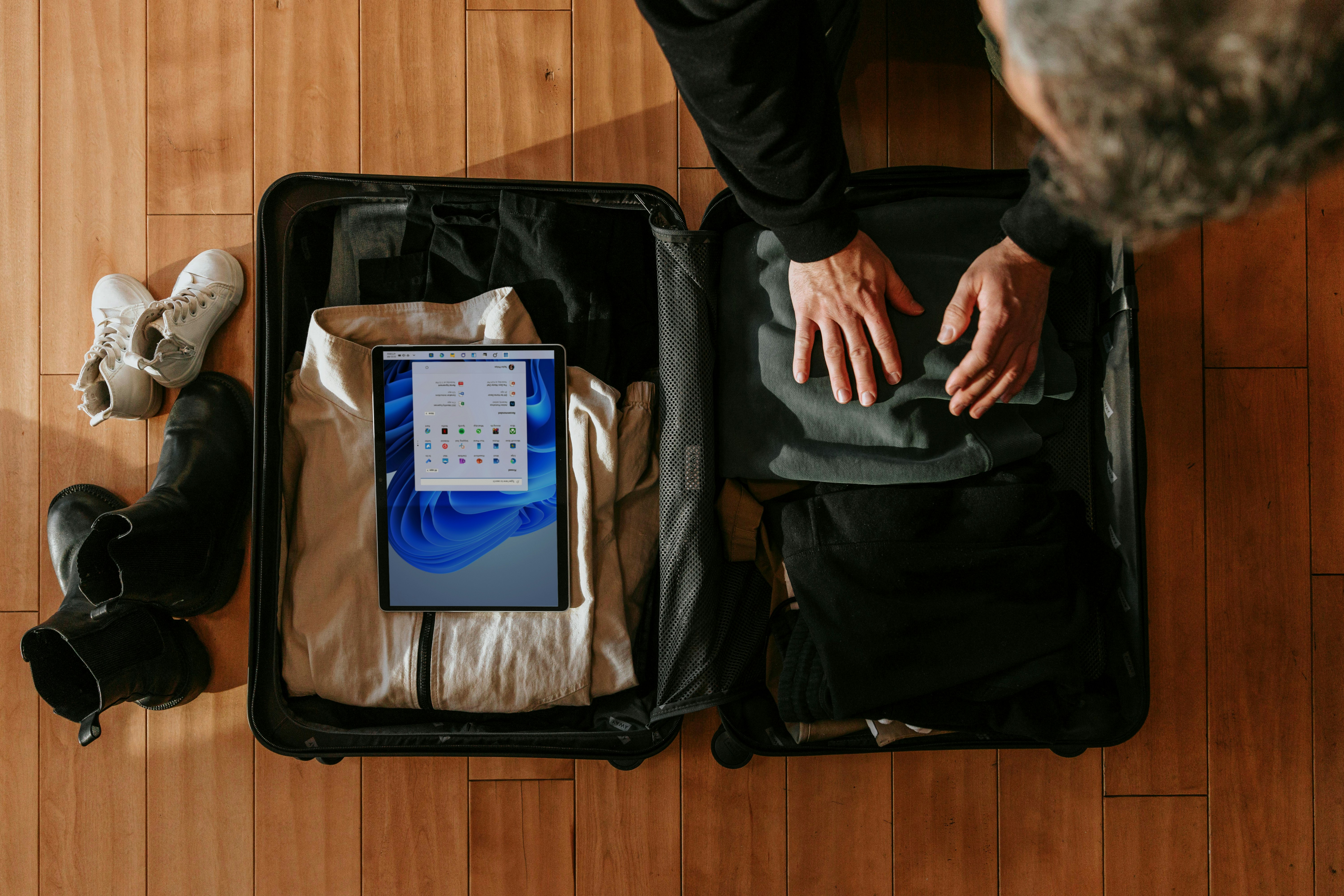
Deux jours avant le depart, etalez tout sur votre lit. Pour chaque article, demandez : peut-il etre porte d’au moins trois facons differentes ? Est-il approprie a mes activites reelles ? Me manquerait-il si je ne l’emportais pas ? Si les reponses aux deux premieres questions sont non, retirez l’article. La recompense est tangible des l’instant ou vous descendez de l’avion : vous passez directement la douane, portant tout ce dont vous avez besoin sur le dos.
Le systeme de superposition pour climats variables
Si votre voyage implique plusieurs climats, le systeme de superposition est votre solution. Plutot que d’emporter des garde-robes completement separees pour le chaud et le froid, construisez un systeme qui se superpose. Couche de base : t-shirt merinos ou caraco en soie — fin, pres du corps, evacuant l’humidite. Couche intermediaire : chemise en coton, pull leger ou cardigan — chaleur et couche visuelle. Couche exterieure : blazer, veste ou manteau — protection contre les intemperies et structure. Coque : veste de pluie compactable ou coupe-vent — l’article le plus petit avec le plus grand impact fonctionnel.
Avec ce systeme, vous pouvez gerer des temperatures d’environ 5 a 35 degres Celsius en ajoutant ou en retirant des couches. Pour les temperatures en dessous de zero, remplacez le pull leger par un pull en laine ou cachemire plus epais et ajoutez une doudoune sans manches compactable qui se compresse dans sa propre poche.
Articles de toilette : le kit minimal
Les articles de toilette sont la ou la plupart des gens sur-emballent. Le kit minimal du voyageur en bagage a main : sac pour liquides (1 litre, conforme TSA) contenant un hydratant avec SPF (multitache — remplace l’hydratant et l’ecran solaire separes pour le visage), du dentifrice, un baume ou une huile nettoyante (elimine l’ecran solaire et le maquillage). Solides (pas de restriction liquide) : shampooing solide (dure des mois, ne prend presque pas de place), deodorant en stick, brosse a dents, maquillage solide si vous en portez, rasoir jetable.
La regle d’or des articles de toilette : si votre hebergement le fournit (savon, shampooing, gel douche), utilisez le leur. Vous n’avez pas besoin de transporter des doubles de ce qui vous attend deja sur place.
Technologie et extras
Essentiels tech pour le bagage a main : un adaptateur electrique universel (un seul, pas plusieurs), un cable de chargement USB-C plus un cable multi-embouts, une batterie externe (essentielle pour les longues journees a l’exterieur), un telephone (appareil photo, carte, guide, traducteur — un seul appareil remplace un sac plein de gadgets), une liseuse ou tablette (optionnelle). A ne pas emporter : un ordinateur portable sauf si vous travaillez, un appareil photo dedie sauf si la photographie
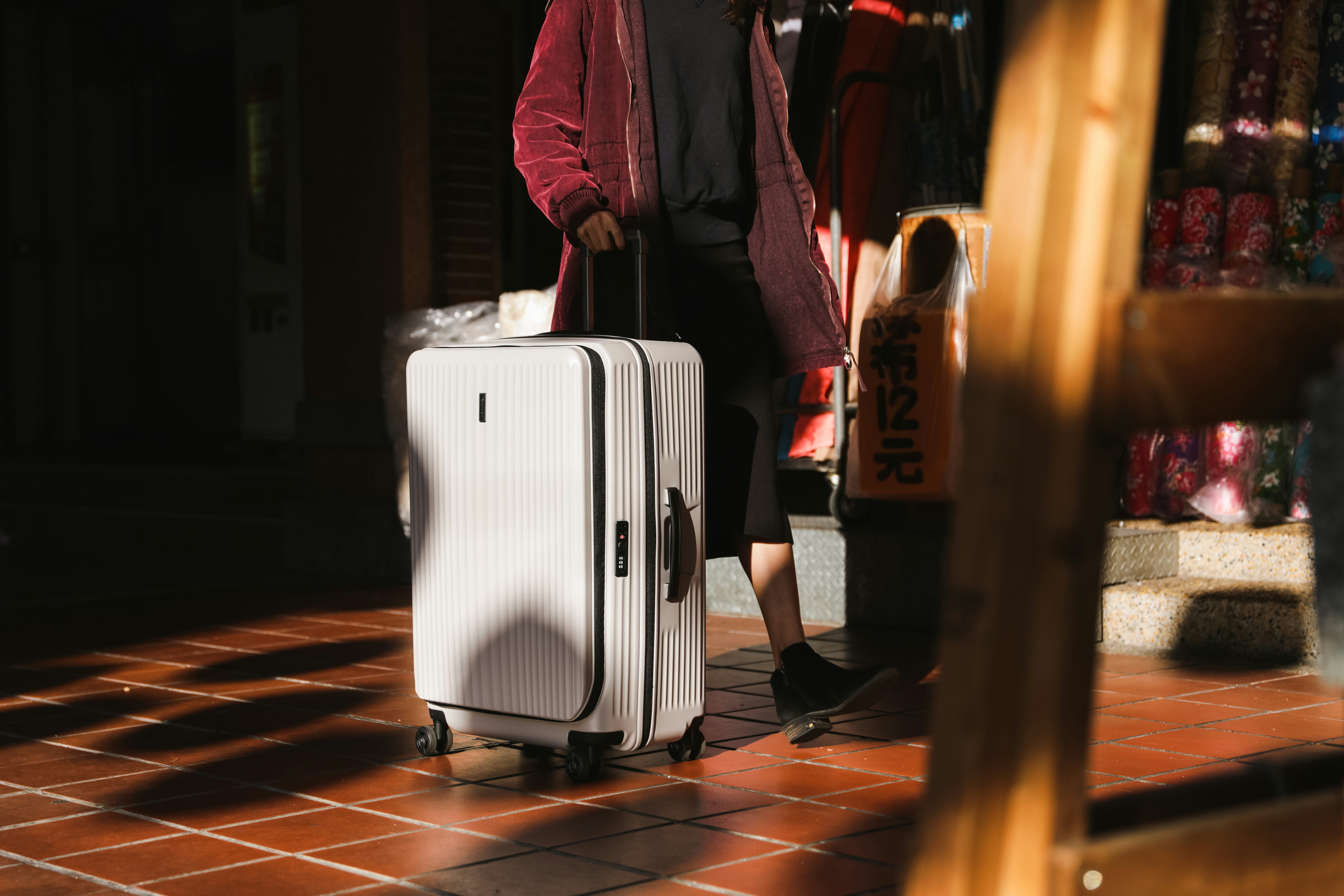
Le test d’emballage avant le depart
Deux jours avant tout voyage, faites un test d’emballage. Etalez tout ce que vous prevoyez d’emporter sur votre lit. Pour chaque article, demandez : peut-il etre porte d’au moins trois facons differentes avec d’autres articles du sac ? Est-il approprie a mes activites reelles — pas la version aspirationnelle de mon voyage ? Me manquerait-il si je ne l’emportais pas ? Si la reponse a la premiere question est non et a la deuxieme est non, retirez-le. Vous pouvez toujours acheter quelque chose a destination si vous en avez vraiment besoin — et acheter une necessite a l’etranger devient souvent une experience de voyage memorable en soi.
La recompense de toute cette discipline est tangible des l’instant ou vous descendez de l’avion. Pendant que tout le monde attend au tapis a bagages, vous passez directement la douane et entrez dans un nouveau pays, portant tout ce dont vous avez besoin sur votre dos. Cette sensation — de legerete, de liberte et d’autonomie — est exactement la raison pour laquelle vous avez voyage.