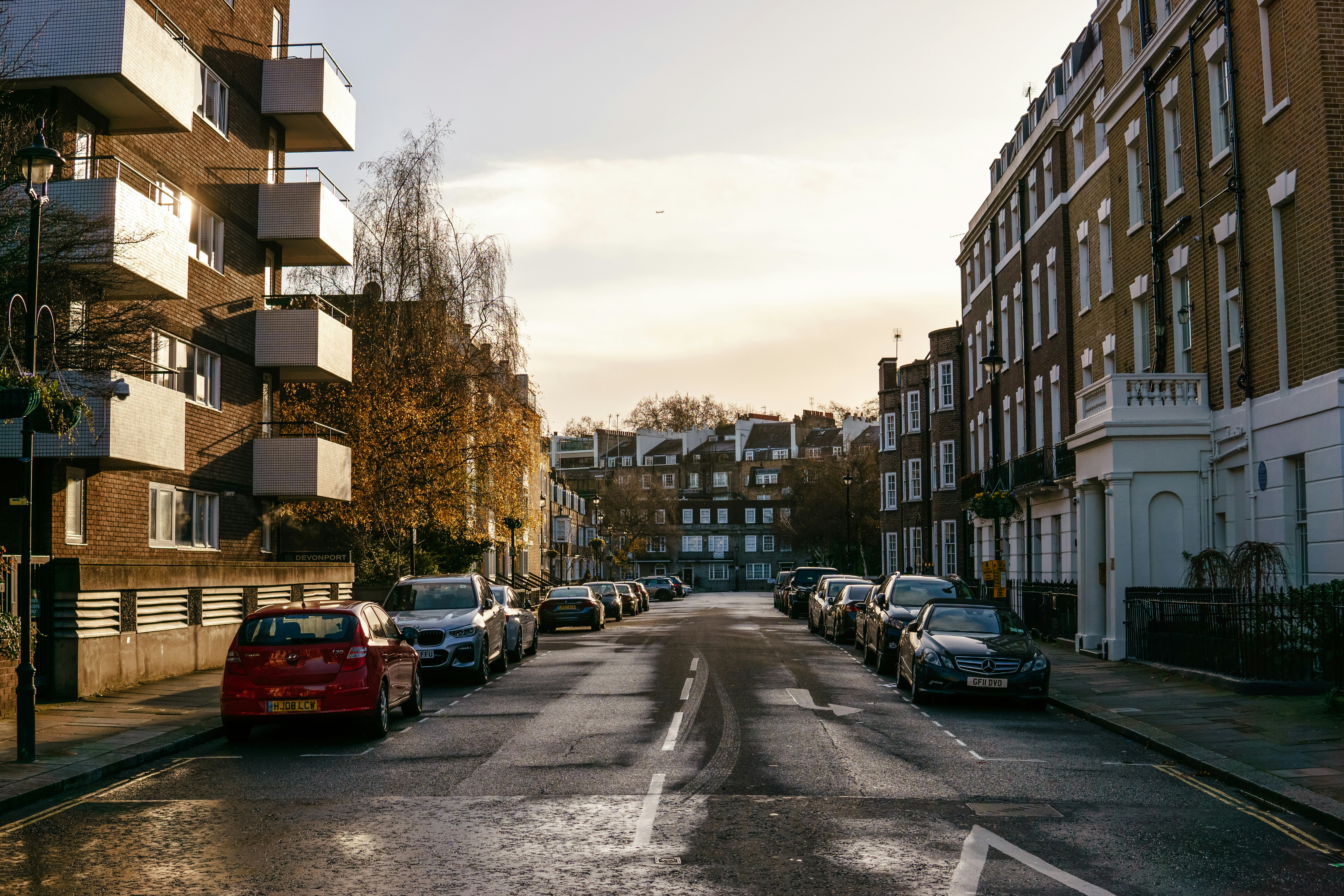
Kyoto exerce une attraction gravitationnelle comme aucune autre ville au Japon. C’est le depositaire des traditions culturelles les plus raffinees du pays — ceremonie du the, cuisine kaiseki, architecture des temples, conception des jardins — mais c’est aussi une ville vivante et active, ou des boutiques centenaires cotoient des galeries contemporaines et des torrefacteurs de cafe de la troisieme vague. L’hebergement a Kyoto a longtemps ete un choix binaire : des ryokans traditionnels tres chers, ou des hotels d’affaires fonctionnels. Mais au cours de la derniere decennie, une nouvelle categorie a emerge : des hotels-boutiques au design soigne et des machiya (maisons de ville traditionnelles) restaurees avec reflexion qui offrent quelque chose de veritablement memorable — des espaces ou l’architecture, les interieurs et l’hospitalite sont aussi reflechis que la ville elle-meme.
Voici les plus beaux endroits ou sejourner a Kyoto, des maisons de ville restaurees aux hotels de design minimaliste.
La renaissance des machiya : sejourner dans une maison de ville restauree
Les machiya traditionnelles de Kyoto — ces etroites maisons de ville en bois qui bordent les rues historiques de la ville — disparaissaient rapidement a la fin du XXe siecle, demolies au profit d’immeubles modernes et de parkings. On estimait a 50 000 le nombre de machiya existant a Kyoto dans les annees 1950 ; au debut des annees 2000, il en restait moins de 30 000. Un mouvement de preservation concerte a depuis inverse la tendance, et certains des plus beaux endroits ou sejourner a Kyoto sont aujourd’hui des machiya restaurees, reimaginees en maisons d’hotes intimes.
Maana Kyoto
Maana est peut-etre la restauration de machiya la plus design de Kyoto. La collection de trois proprietes (Maana Kamo, Maana Kiyomizu et Maana Kyoto) transforme des maisons de ville traditionnelles en retraites serenes et minimalistes. Les interieurs — concus par le cabinet de design japonais Suppose Design Office — depouillent la machiya jusqu’a ses elements essentiels : structure en bois apparente, murs en terre et tatami, completes par des meubles sur mesure, des ceramiques faites a la main et un eclairage soigneusement controle. L’effet est a la fois profondement japonais et etonnamment contemporain. Un petit-dejeuner japonais est livre chaque matin dans des boites laquees empilees.
Idéal pour : Les puristes du design et tous ceux qui apprecient l’intersection de l’architecture traditionnelle et du minimalisme contemporain. Les proprietes accueillent 2 a 4 personnes et sont ideales pour les couples ou les petites familles qui valorisent l’esthetique.
Emplacement : Maana Kamo se trouve pres de la riviere Kamo ; Maana Kiyomizu est niche dans le quartier historique de Higashiyama.
Kanra Hotel Kyoto
Kanra occupe un juste milieu entre le ryokan et l’hotel-boutique. Le design est moderne mais profondement informe par l’esthetique japonaise traditionnelle — les chambres disposent de coins tatami, de baignoires en cypres ofuro et d’un eclairage de style shoji, mais avec des meubles contemporains et des salles de bains de style occidental completes. Le hall integre un irori traditionnel (foyer solaire encastre) et l’hotel propose des ateliers de ceremonie du the et de calligraphie.
Idéal pour : Les voyageurs qui veulent des elements de ryokan mais preferent les lits occidentaux et la plomberie moderne. Bon pour les premiers visiteurs de Kyoto.
Rinn Collection
Rinn gere une collection de machiya et de maisons de ville restaurees a travers Kyoto, chacune differente dans son caractere. Certaines sont des maisons de ville en bois traditionnelles ; d’autres occupent d’anciennes maisons de geishas ou des residences de marchands. Ce qui les unit, c’est une restauration reflechie et une intimite autonome — chaque propriete est une maison independante avec cuisine, ce qui les rend ideales pour les longs sejours.
Hotels de design contemporain
Ace Hotel Kyoto
L’antenne de l’Ace Hotel a Kyoto occupe l’ancien batiment de la Compagnie du Telephone Central de Kyoto, une structure en brique des annees 1920 que l’architecte Kengo Kuma a reimaginee avec une nouvelle aile et un espace public dynamique au rez-de-chaussee. Les chambres sont du Ace classique — hauts plafonds, materiaux apparents, art curate, platines avec une selection de vinyles — mais avec une sensibilite distinctement japonaise. Le hall est l’un des espaces publics les plus vibrants de Kyoto.
Idéal pour : Les creatifs, les voyageurs solo et tous ceux qui apprecient une scene de hall animee. Moins adapte a ceux qui cherchent une atmosphere japonaise traditionnelle.
Sowaka
Sowaka occupe un ancien ryotei (restaurant traditionnel haut de gamme) centenaire au coeur de Gion, le celebre quartier des geishas de Kyoto. Le batiment principal de 11 chambres conserve des elements architecturaux d’origine — alcoves tokonoma, paravents peints, jardins prives — tout en ajoutant un confort contemporain discret. Une annexe moderne de l’autre cote de la ruelle etroite ajoute 12 chambres dans un style minimaliste. Les chambres avec vue sur le jardin dans le batiment principal sont parmi les plus beaux endroits ou dormir a Kyoto.
Idéal pour : Les couples recherchant une experience romantique et atmospheriquement japonaise avec des standards de luxe moderne.
Hotel the Mitsui Kyoto
Occupant l’ancienne residence de la famille Mitsui, cet hotel se trouve sur un site avec plus de 250 ans d’histoire. L’architecture, par Andre Fu, est une masterclass de luxe discret — un jardin central ancre la propriete, et la source thermale naturelle sur place (onsen) puise dans une source thermale a 1 000 metres sous l’hotel. Les chambres sont spacieuses selon les standards de Kyoto, avec des details profondement reflechis : eclairage en papier washi, ceramiques sur mesure, et vues sur le jardin central ou des jardins prives.
Idéal pour : Les voyageurs de luxe, les lunes de miel et tous ceux qui veulent une veritable experience onsen au sein de leur hotel.
Ryokans traditionnels
Tawaraya
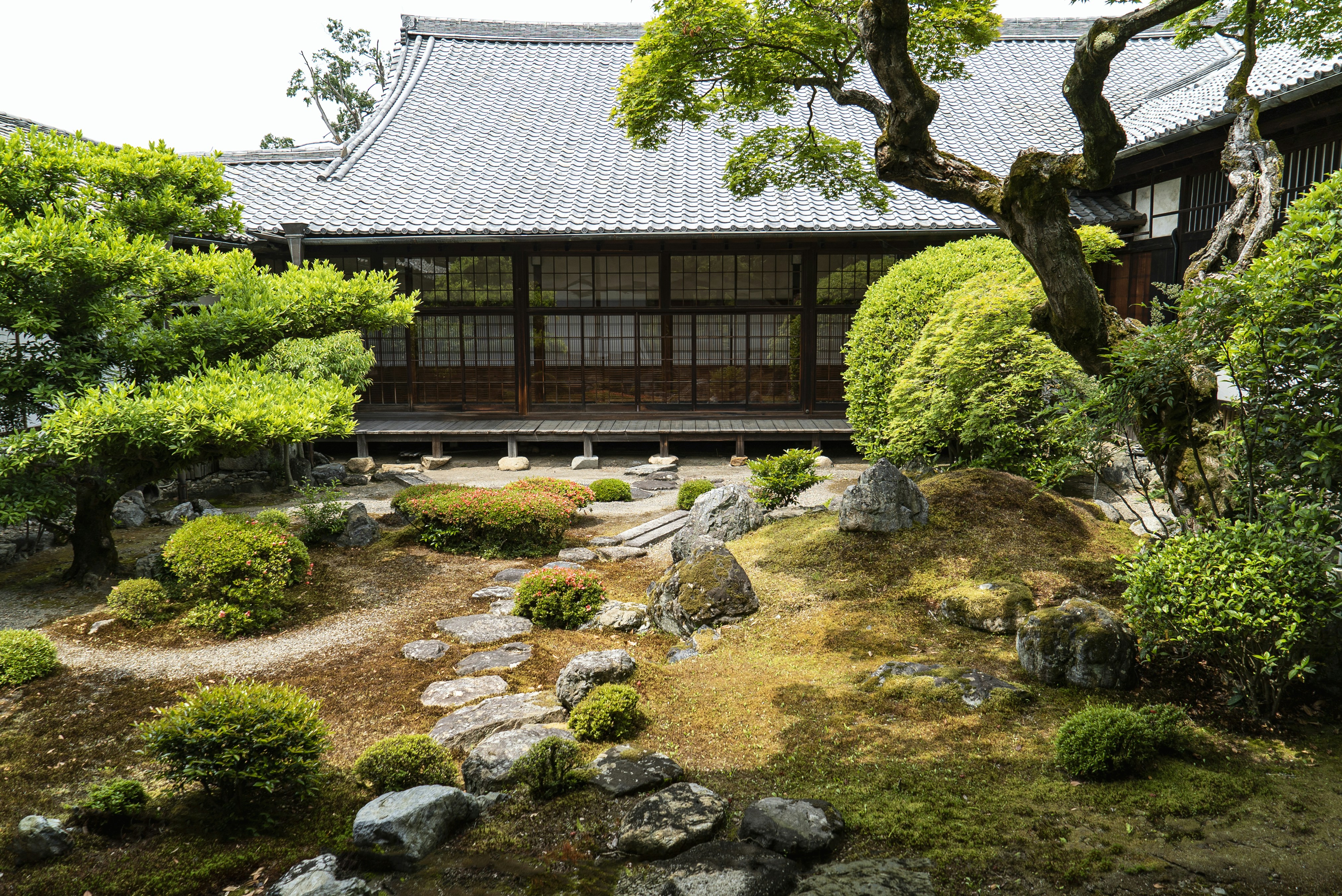
Tawaraya est largement considere comme le plus beau ryokan du Japon, un titre qu’il detient depuis des decennies. Le batiment date du debut du XVIIIe siecle, et le service — fourni par du personnel en kimono — est un niveau d’hospitalite qui confine a l’art. Seulement 18 chambres, chacune avec un jardin prive. Pas de menus ; les repas sont prepares en fonction de ce qu’il y a de meilleur au marche le matin.
Gion Hatanaka
Une option de ryokan plus accessible au coeur de Gion. Gion Hatanaka offre l’experience essentielle du ryokan — chambres en tatami, literie futon, repas kaiseki et bains ofuro — a un prix eleve mais pas astronomique.
Planifier votre sejour
Minimum trois nuits. Kyoto recompense la lenteur. Les meilleurs etablissements se reservent des mois a l’avance, surtout pendant la saison des cerisiers en fleurs (fin mars-debut avril) et le feuillage d’automne (novembre). P
Conseils pratiques pour Kyoto
Comment s’y rendre : Le train express Haruka de l’aeroport du Kansai a la gare de Kyoto prend 75 minutes. A l’interieur de Kyoto, le reseau de bus est excellent et couvre des zones que le metro n’atteint pas. Les taxis sont abondants et, bien que chers, valent la peine pour rejoindre les ryokans dans des rues etroites. Envisagez de louer un velo — Kyoto est etonnamment cyclable, et voir la ville sur deux roues a votre rythme est l’une des grandes experiences de Kyoto.
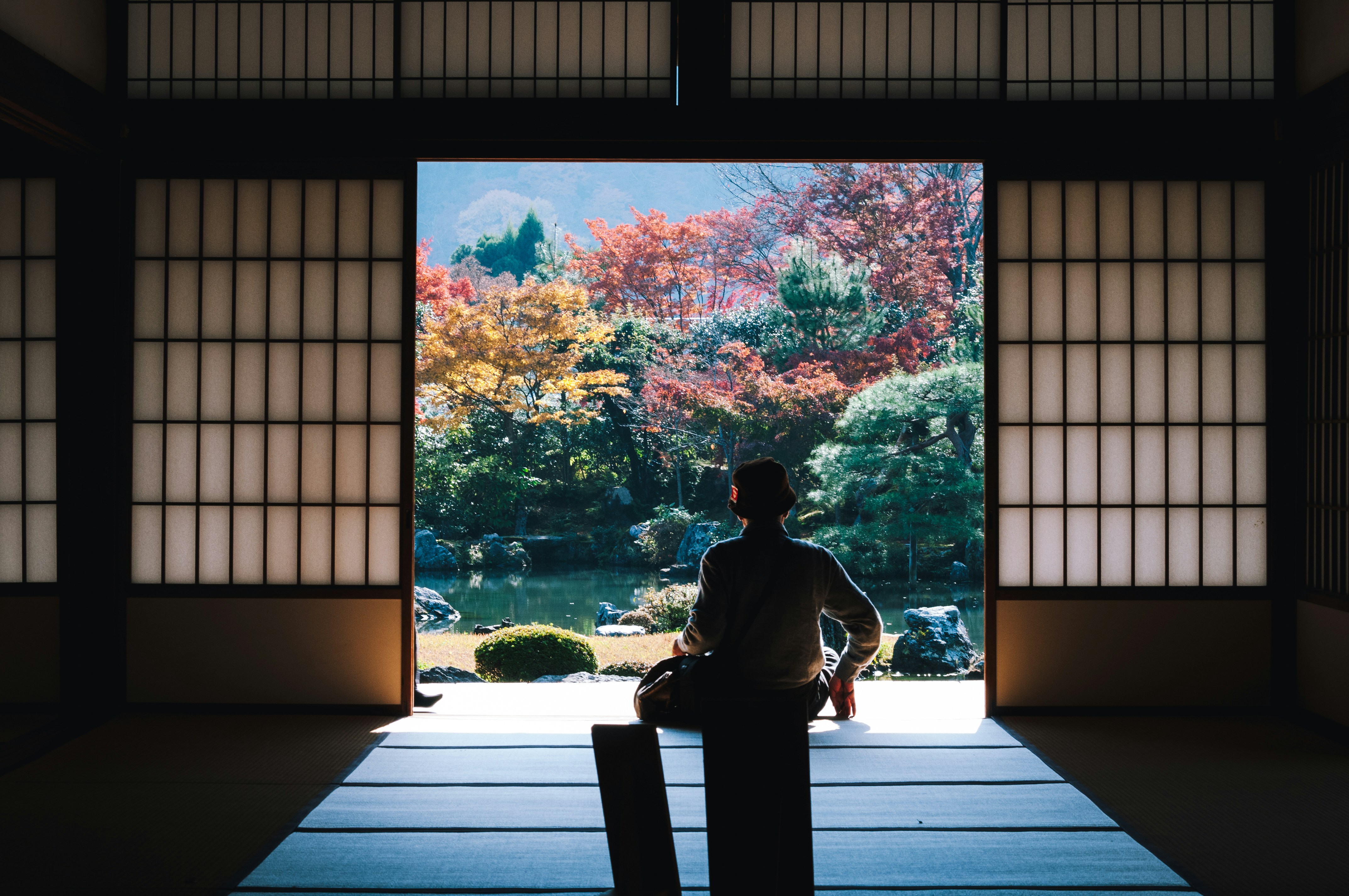
Quand partir : La saison des cerisiers en fleurs (fin mars-debut avril) et le feuillage d’automne (novembre) sont les periodes les plus spectaculaires mais aussi les plus frequentees. L’ete (juin-aout) est chaud et humide mais offre des festivals. L’hiver (decembre-fevrier) est froid mais tranquille, avec des temples enneiges qui sont extraordinairement beaux.
Quel type d’hebergement choisir : Si vous etes a l’aise avec l’hospitalite japonaise traditionnelle et avez le budget, passez au moins deux nuits dans un ryokan et le reste dans une machiya ou un hotel-boutique. L’experience du ryokan est si fondamentalement differente de l’hebergement hotelier qu’il vaut la peine de vivre les deux.
Strategie de reservation : Les meilleurs etablissements de Kyoto se reservent des mois a l’avance, surtout pendant les periodes de haute saison. Pour Tawaraya et les meilleures chambres du Sowaka, reservez six mois a l’avance. Pour la plupart des autres etablissements, deux a trois mois suffisent en dehors des periodes de pointe.
Etiquette : Dans les ryokans, retirez vos chaussures a l’entree. Portez le yukata (kimono leger) fourni dans l’enceinte de l’etablissement. Respectez les heures de bain — les bains communs ont souvent des horaires separes pour les hommes et les femmes. Les repas kaiseki sont servis a des heures precises ; soyez a l’heure. Le personnel des ryokans fournit un niveau de service que la plupart des visiteurs occidentaux n’ont jamais connu — acceptez-le avec gratitude et un leger salut.