Tokyo n’est pas une ville — c’est des dizaines de petites villes cousues ensemble par l’un des systemes de transport les plus efficaces au monde. Les visiteurs novices font souvent l’erreur d’essayer de << voir Tokyo >> comme s’il s’agissait d’une destination unique et coherente qu’on peut cocher en trois jours. C’est impossible. Ce que vous pouvez faire, c’est choisir le bon quartier pour vous loger, explorer vers l’exterieur a partir de cette base, et decouvrir quelques-unes des nombreuses personnalites de Tokyo plutot que d’effleurer frenetiquement la surface de toutes.
Ce guide couvre les principaux quartiers qui meritent votre temps, organises par ce que chacun offre. Choisissez votre base en fonction de ce que vous voulez reellement faire — pas de ce qu’un itineraire generique vous dit de faire.
Shibuya : le centre nevralgique
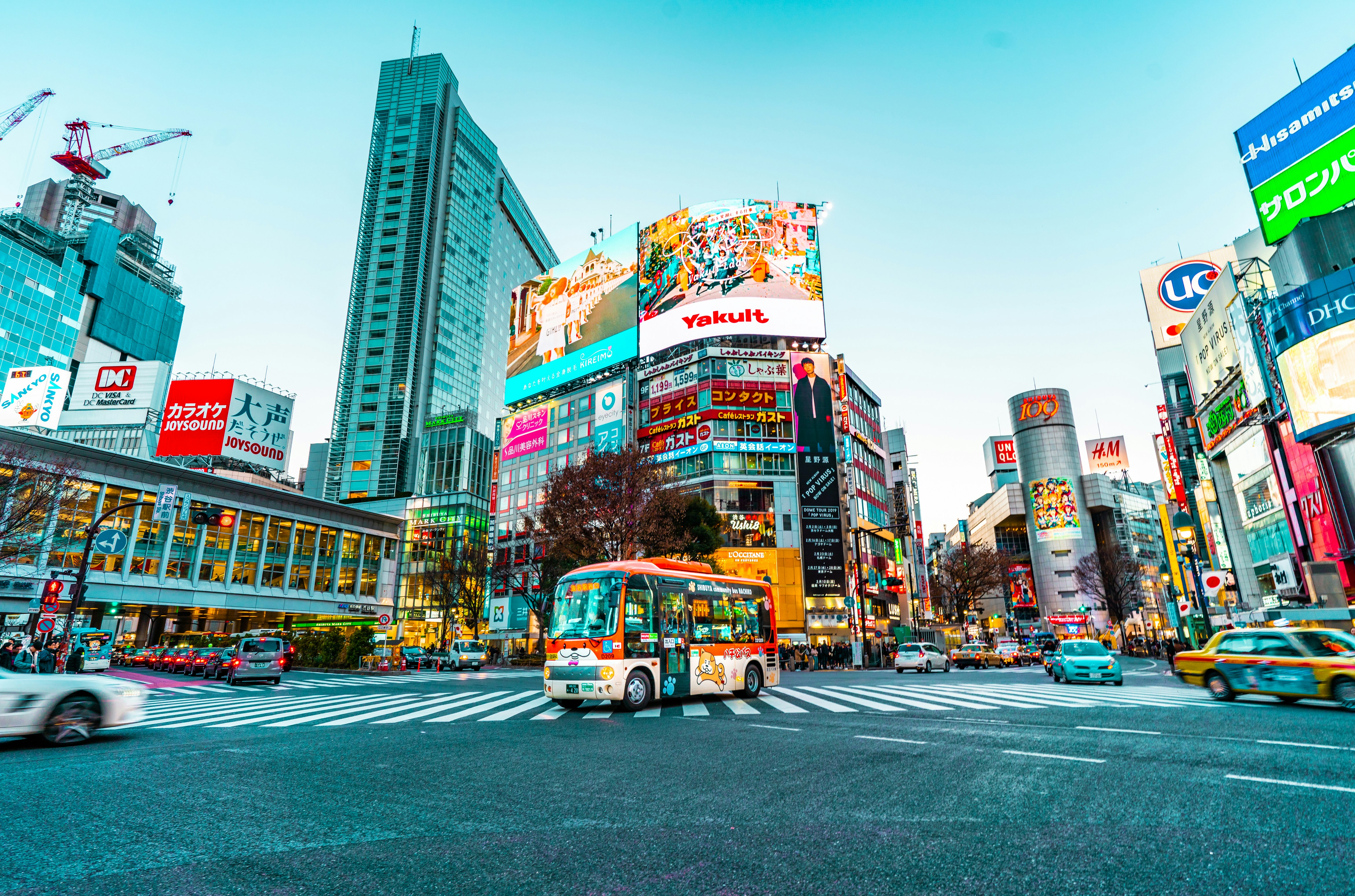
Shibuya est ce que la plupart des gens imaginent quand ils pensent a Tokyo : le celebre carrefour, les batiments baignes de neon, et un flux incessant d’humanite se deplacant dans toutes les directions a la fois. C’est le centre commercial et de vie nocturne pour le Tokyo le plus jeune, rempli de grands magasins, de salles de concert, d’izakaya et de boutiques de ramen ouvertes jusqu’a 4 heures du matin.
Qui devrait sejourner ici : Les visiteurs novices qui veulent etre au coeur de l’action, les voyageurs orientes vie nocturne, et tous ceux qui veulent un acces facile a la ligne Yamanote (la ligne de train circulaire de Tokyo qui relie la plupart des destinations majeures). Shibuya est bruyant, bondé et electrique — si cela vous dynamise, c’est la bonne base.
Que faire au-dela du carrefour : Marchez jusqu’a Daikanyama (15 minutes de la gare de Shibuya), un quartier plus calme et plus sophistique avec d’excellents cafes, le complexe Tsutaya Books, et certains des meilleurs magasins de createurs de Tokyo. La promenade elle-meme est une lecon sur la rapidite avec laquelle le caractere de Tokyo peut passer de frenetique a serein.

Ou manger : Evitez les restaurants touristiques autour du carrefour. Dirigez-vous vers les ruelles etroites de Nonbei Yokocho (l’Allee des Ivrognes) pour des bars minuscules de six places et des stands de yakitori, ou marchez dix minutes vers les ruelles derriere la gare pour certains des meilleurs ramens de la ville.
Shinjuku : le quartier de tout

Shinjuku est le plus grand et le plus chaotique quartier de divertissement de Tokyo — pensez-y comme le frere aine plus rugueux de Shibuya. L’est de Shinjuku est tout en neon, foules et vie nocturne ; l’ouest de Shinjuku est tout en gratte-ciels et hotels d’affaires. Le contraste entre les deux cotes est saisissant.
Qui devrait sejourner ici : Les voyageurs qui veulent une connectivite de transport maximale (la gare de Shinjuku dessert plus de 3,5 millions de passagers par jour et se connecte a pratiquement toutes les lignes de train de Tokyo), les voyageurs a petit budget (l’ouest de Shinjuku a de nombreux hotels d’affaires abordables), et tous ceux qui veulent des options de restauration et de divertissement 24 heures sur 24.
Que faire : Golden Gai — une grille de six ruelles etroites remplies de plus de 200 bars minuscules a theme, chacun accueillant 5 a 10 personnes. Certains sont reserves aux habitués, mais beaucoup accueillent les etrangers. Le jardin national de Shinjuku Gyoen — l’un des plus beaux parcs de Tokyo — est a 10 minutes a pied de la gare et offre un changement de rythme complet.
Ginza : le centre raffine
Ginza est le quartier du shopping haut de gamme de Tokyo — de larges boulevards, des magasins phares de createurs, et des grands magasins elegants avec des halls gastronomiques (depachika) au sous-sol qui valent la visite meme si vous n’achetez rien.
Qui devrait sejourner ici : Les voyageurs de luxe, les acheteurs et les couples recherchant une experience tokyoite plus raffinee. Ginza est plus calme et plus cher que Shibuya ou Shinjuku.
Que faire : Le marche exterieur de Tsukiji est a 15 minutes a pied — bien que la celebre vente aux encheres de thon ait demenage a Toyosu, le marche exterieur reste vibrant. Les halls gastronomiques des grands magasins de Ginza sont une destination a part entiere. Allez-y le ventre vide. Visitez un week-end apres-midi quand la rue principale est fermee aux voitures, se transformant en boulevard pieton.
Asakusa : le coeur traditionnel
Asakusa est le grand quartier le plus traditionnel de Tokyo, centre autour du Senso-ji, le plus ancien temple bouddhiste de la ville. L’approche du temple — Nakamise-dori — est une rue commerçante centenaire bordee d’etalages vendant de l’artisanat traditionnel, des snacks et des souvenirs.
Qui devrait sejourner ici : Les voyageurs a petit budget (Asakusa a de nombreuses maisons d’hotes et auberges abordables), les visiteurs orientes vers la culture, et tous ceux qui veulent etre pres de la riviere Sumida pour les promenades matinales.
Que faire : Visitez le Senso-ji tot le matin (avant 8h) ou le soir (apres 20h) pour en faire l’experience sans les foules ecrasantes. Les ruelles derriere le temple sont remplies de petits restaurants familiaux et de boutiques d’artisanat.
Conseils pratiques pour Tokyo
Procurez-vous une carte Suica ou Pasmo — ces cartes de transport rechargeables fonctionnent sur pratiquement tous les trains, metros et bus de Tokyo. La ligne Yamanote est votre amie — cette ligne de train circulaire relie les principaux hubs de Tokyo. Tokyo est une ville ou l’argent liquide est courant dans un monde numerique — gardez 10 000 a 20 000 yens en especes. Apprenez a aimer les konbini — les supérettes japonaises sont authentiquement bonnes. Et surtout, n’essayez pas de << faire >> Tokyo. Tokyo recompense la lenteur.
Ginza : le centre raffine
Ginza est le quartier du shopping haut de gamme de Tokyo — de larges boulevards, des magasins phares de createurs et des grands magasins elegants avec des halls gastronomiques (depachika) au sous-sol. Les depachika sont une destination a part entiere : des centaines de stands vendant de tout, des bentos frais aux patisseries francaises en passant par le wagyu. Meme si vous n’achetez rien, la visite est une experience sensorielle. Allez-y le ventre vide. Visitez un week-end apres-midi quand la rue principale de Ginza est fermee aux voitures, se transformant en un boulevard pietonnier anime.
Asakusa : le coeur traditionnel
Asakusa est le grand quartier le plus traditionnel de Tokyo, centre autour du Senso-ji, le plus ancien temple bouddhiste de la ville. L’approche du temple — Nakamise-dori — est une rue commerçante centenaire bordee d’etalages vendant de l’artisanat traditionnel, des collations et des souvenirs. Visitez le Senso-ji tot le matin (avant 8h) ou le soir (apres 20h) pour en faire l’experience sans les foules ecrasantes. Les ruelles derriere le temple — loin de Nakamise-dori — sont remplies de petits restaurants familiaux et de b
Conseils pratiques pour Tokyo
Procurez-vous une carte Suica ou Pasmo — ces cartes de transport rechargeables fonctionnent sur pratiquement tous les trains, metros et bus de Tokyo, et dans la plupart des supérettes. La ligne Yamanote est votre amie ; maitrisez-la et vous pouvez aller presque partout. Tokyo est une ville ou l’argent liquide est courant dans un monde numerique — gardez 10 000 a 20 000 yens en especes sur vous. Apprenez a aimer les konbini ; les supérettes japonaises (7-Eleven, FamilyMart, Lawson) servent une nourriture fraiche et de qualite 24 heures sur 24. Les heures de pointe sont reelles — evitez les trains entre 8h et 9h et entre 17h30 et 19h en semaine. Et surtout, n’essayez pas de << faire >> Tokyo. Choisissez un ou deux quartiers par jour, marchez beaucoup, mangez tout ce qui a l’air bon et faites confiance au fait que vous reviendrez.