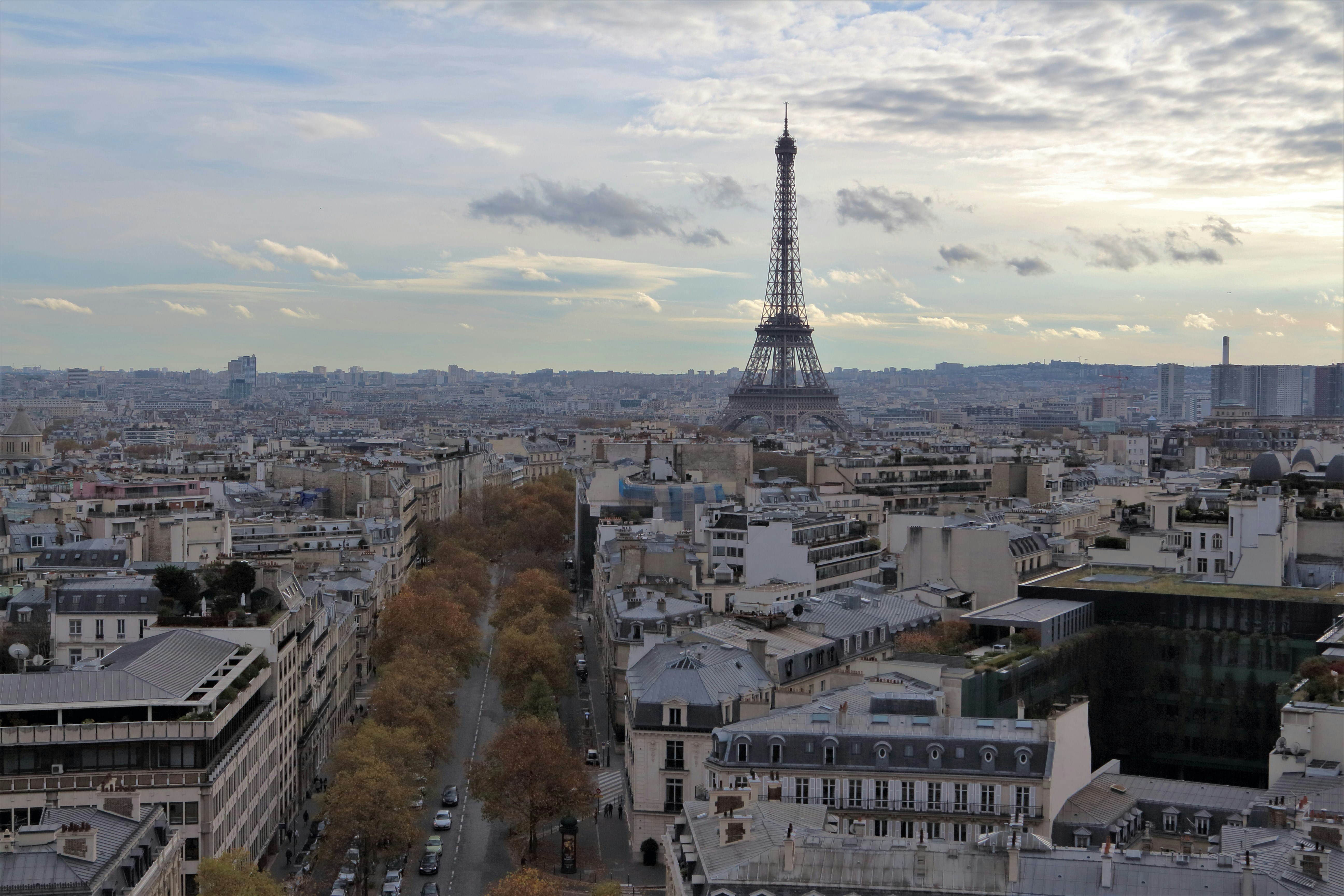
Paris est l’une des rares villes au monde ou les attractions les plus celebres valent vraiment le coup. La Tour Eiffel est extraordinaire. Le Louvre merite sa reputation. Notre-Dame, meme en restauration, emeut les gens aux larmes. Mais ces monuments ne sont pas Paris — ils sont la toile de fond contre laquelle les Parisiens vivent leur vie reelle, principalement dans des quartiers dont vous n’avez jamais entendu parler.
Le vrai Paris existe dans ses vingt arrondissements, chacun avec un caractere distinct, un marche local, un cafe ou le patron connait la commande de tout le monde, et un rythme qui n’a rien a voir avec le tourisme. Ce guide est pour les visiteurs qui ont vu les sites majeurs — ou qui veulent les entrecouper d’experiences de quartier authentiques. Voici les districts ou les Parisiens passent reellement leur temps.
Le 11e arrondissement : le vrai Paris
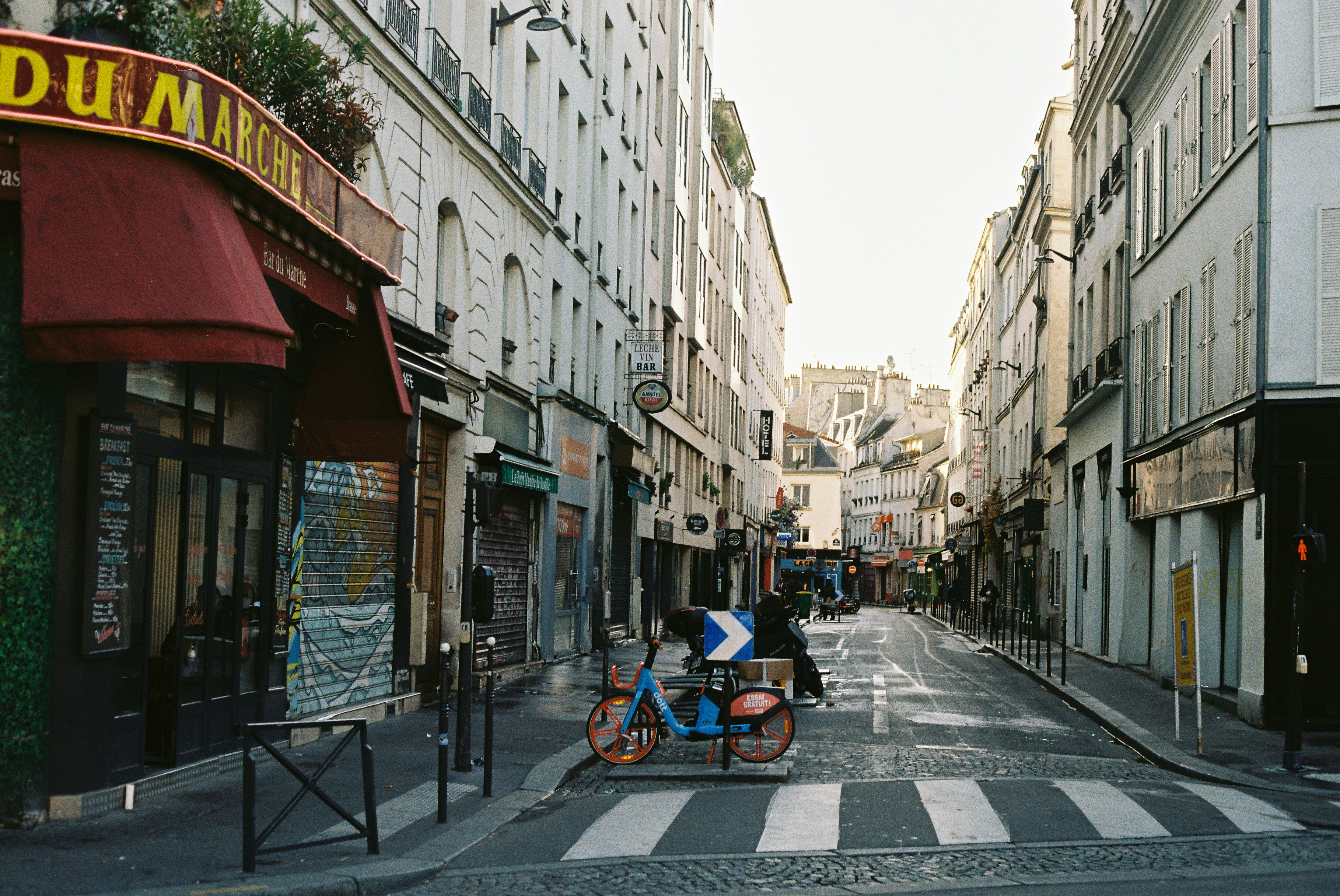
Le 11e est Paris a son plus authentique — un district densement peuple, ethniquement diversifie et resolument non touristique ou les boucheries cotoient les bars a vin naturel et les boulangeries centenaires partagent les murs avec les torrefacteurs de cafe de la troisieme vague. Il n’y a pas de monuments majeurs ici, pas de musees que vous trouverez dans les guides. Ce qu’il y a : une excellente nourriture, une vie nocturne animee portee par les habitants plutot que les touristes, et le sentiment d’etre dans une ville ou les gens vivent reellement.
Ou manger : Le quartier autour des rues Oberkampf et Jean-Pierre Timbaud est dense en petits restaurants excellents. Pour du francais traditionnel a prix raisonnables, cherchez les bistrots bondes avec des menus a l’ardoise et une clientele majoritairement francophone. Le Marche Popincourt (mardi et vendredi matin) est l’un des meilleurs marches de quartier de Paris.
Ou boire : Le 11e est le coeur du mouvement du vin naturel a Paris. De petits bars a vin avec des cartes tournantes bordent les rues autour de la rue Paul Bert et de la rue de la Roquette.
L’ambiance : Jeune, energique, non poli, reel. Si vous voulez voir a quoi ressemble le Paris moderne — pas la version carte postale — c’est ici qu’il faut commencer.
Le 10e : vie de canal et cuisine du monde
Le 10e arrondissement s’articule autour du canal Saint-Martin, une voie navigable de 4,5 kilometres bordee de platanes, de passerelles en fer et de certains des meilleurs moments d’observation des gens a Paris. Les soirees ensoleillees, les berges du canal se remplissent de groupes d’amis partageant du vin et du fromage — c’est l’equivalent parisien du barbecue dans le jardin.
Ou manger : Le 10e est la capitale gastronomique mondiale de Paris. La rue du Faubourg Saint-Denis offre une excellente cuisine turque, kurde, indienne et nord-africaine a des prix considerablement plus bas.
L’ambiance : Branche sans etre pretentieux, diversifiee et animee.
Le 19e : parcs et perspective
Le 19e arrondissement est loin du centre touristique, ce qui est precisement son attrait. Il abrite le parc des Buttes-Chaumont, sans doute le plus beau parc de Paris, et le parc de la Villette, un vaste complexe culturel.
L’ambiance : Plein air, multiculturel, eloigne du circuit touristique.
Conseils pratiques pour Paris
Marchez entre les quartiers. Mangez au marche. Apprenez cinq phrases en francais — bonjour, merci, s’il vous plait, excusez-moi, parlez-vous anglais ? Sejournez dans les quartiers, pas dans le centre. Le vrai Paris ne demande pas votre validation Instagram. Ce qu’il offre est plus precieux : l’experience d’habiter brievement l’une des grandes villes du monde non pas en spectateur mais en resident temporaire.
Le 14e : vie de village dans la ville
Le 14e arrondissement, en particulier le quartier autour de la rue Daguerre et de la Cite Universitaire, ressemble plus a un village qu’a une partie d’une grande metropole. C’est le Paris residentiel a son plus charmant — des rues calmes, d’excellentes boulangeries et le sentiment que tout le monde se connait. Les Catacombes sont ici si vous voulez une attraction touristique, mais le veritable attrait est simplement de marcher, manger et vivre comme un local pendant quelques jours.
Ou manger : La rue Daguerre est une rue de marche pietonne bordee de fromageries, de poissonneries, de boulangeries et de stands de produits frais. Achetez des provisions et pique-niquez dans le parc Montsouris tout proche. Pour une experience de bistrot classique, les restaurants autour de la place Denfert-Rochereau servent une cuisine francaise traditionnelle devant une clientele majoritairement locale.
L’ambiance : Calme, traditionnelle et profondement vivable. Le 14e est l’endroit ou aller pour deco
Conseils pratiques pour les quartiers de Paris
Marchez entre les quartiers. Paris est une ville qui se marche. La distance du 11e au 10e est d’environ 20 minutes a pied. Du 10e au 19e, 25 minutes supplementaires. La ville se revele au rythme de la marche d’une facon qu’elle ne fait jamais depuis un taxi ou le metro.
Mangez au marche. Chaque arrondissement a plusieurs marches en plein air, des jours differents. Cherchez sur Google le calendrier des marches. Une baguette, un morceau de fromage, des fruits et un endroit au bord du canal ou dans un parc font un meilleur dejeuner que la plupart des restaurants.
Apprenez cinq phrases. Bonjour (dites-le toujours en entrant dans un magasin ou un restaurant), merci, s’il vous plait, excusez-moi, et parlez-vous anglais ? Ces cinq phrases, prononcees avec une veritable tentative de prononciation, transforment les interactions avec les Parisiens.
Sejournez dans les quartiers, pas dans le centre. Les hotels dans le 1er, le 8e et le 7e sont chers et entoures d’infrastructures touristiques. Les appartements et petits hotels dans le 10e, le 11e, le 14e et le 19e coutent nettement moins cher et vous placent dans le vrai Paris.