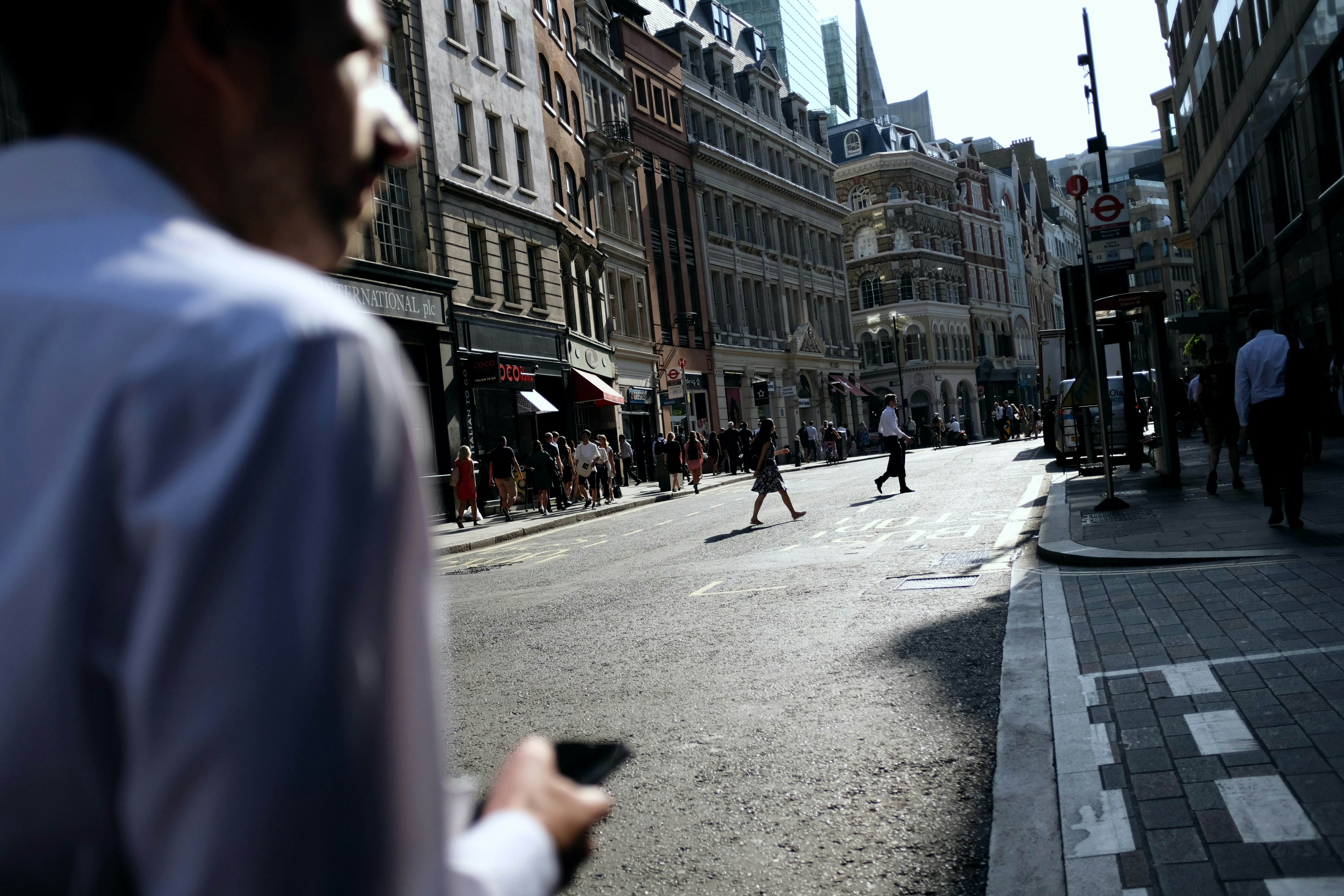
Londres n’est pas une ville — c’est une collection de villages qui ont grandi ensemble au fil des siecles, chacun conservant un caractere distinct, une architecture et un rythme propres. Le Londres de Westminster et de Buckingham Palace est ceremoniel et grandiose. Le Londres de Shoreditch et Hackney est creatif et chaotique. Le Londres de Hampstead et Richmond est verdoyant et residentiel. Ces differents Londres coexistent a quelques kilometres les uns des autres, relies par le metro et separes par des siecles de developpement independant.
Les visiteurs novices se regroupent generalement dans le centre — Westminster, Covent Garden, South Bank — et manquent les quartiers ou les Londoniens vivent reellement. Ce guide couvre a la fois les zones centrales essentielles et les quartiers exterieurs qui recompensent l’exploration.
Centre de Londres : les essentiels
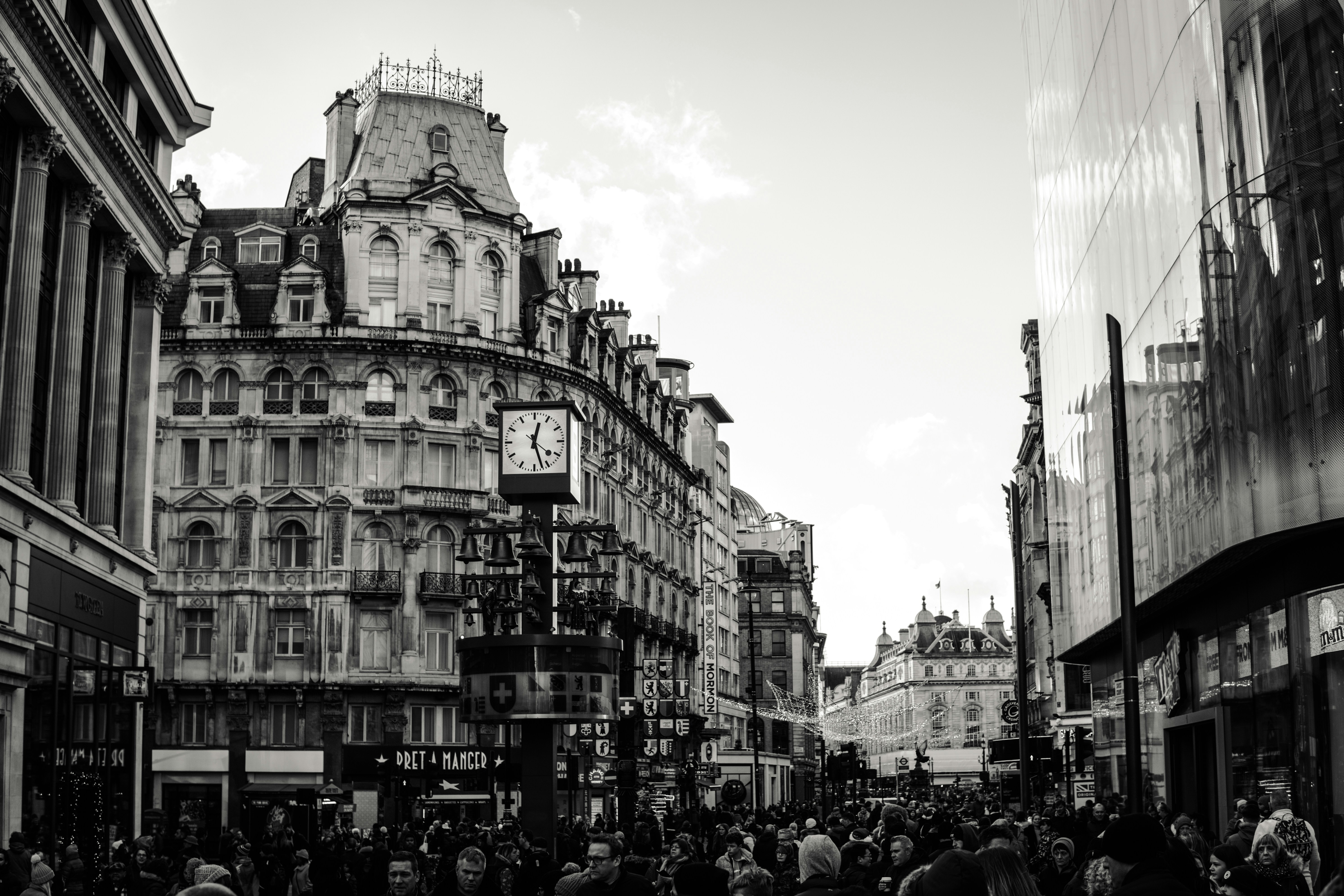
Covent Garden et Seven Dials
Covent Garden est touristique pour une bonne raison : c’est authentiquement charmant. La piazza, les artistes de rue, le marche couvert et les rues environnantes de Seven Dials abritent certains des meilleurs shopping, restaurants et observation des gens de Londres. C’est bondé, mais les foules font partie de l’experience.
Que faire : Promenez-vous dans l’Apple Market (artisanat et antiquites), parcourez les boutiques independantes de Neal Street et Monmouth Street, regardez les artistes de rue sur la piazza. Pour une experience plus tranquille, allez-y tot — avant 10h, la piazza est presque vide.
Ou manger : Le quartier autour de Seven Dials a d’excellents petits restaurants. Evitez les chaines directement sur la piazza et marchez deux rues dans n’importe quelle direction pour une meilleure cuisine a des prix plus bas.
South Bank
La portion de la Tamise entre Westminster Bridge et Tower Bridge contient plus d’institutions culturelles au kilometre que presque partout ailleurs dans le monde : le National Theatre, le British Film Institute, le Southbank Centre, le Shakespeare’s Globe et la Tate Modern. La promenade au bord de l’eau est l’un des grands espaces publics de Londres.
Que faire : Parcourez toute la portion de Westminster a Tower Bridge (environ 4 km, 1h-1h30 a un rythme tranquille). Arretez-vous a la Tate Modern (gratuite, vues excellentes depuis le dernier etage). Parcourez les etals de livres sous le Waterloo Bridge. Prenez un verre dans l’un des pubs au bord de l’eau.
Bloomsbury
Bloomsbury est le coeur intellectuel de Londres — abritant le British Museum, University College London et une histoire litteraire distinguee. Les squares georgiens et les jardins du quartier sont parmi les plus beaux de Londres.
Que faire : Le British Museum merite au moins une demi-journee. La salle de lecture a elle seule vaut la visite. Ensuite, promenez-vous dans Russell Square et Gordon Square. Parcourez les librairies independantes de Marchmont Street.
East London : creatif et chaotique
Shoreditch et Hoxton
Shoreditch est ce que les gens imaginent quand ils pensent au Londres hipster : du street art couvrant chaque mur disponible, des cafes independants, des boutiques de vetements vintage et une vie nocturne qui va de l’aperitif d’apres-travail aux clubs jusqu’a 4h du matin.
Que faire : Marchez dans les rues autour de Redchurch Street et Brick Lane pour le street art, les boutiques independantes et l’excellent cafe. Brick Lane est celebre pour ses maisons de curry et son marche du dimanche. Boxpark Shoreditch est un centre commercial pop-up fait de conteneurs maritimes.
Ou manger : Brick Lane pour le curry. Redchurch Street et Shoreditch High Street pour tout le reste.
London Fields et Broadway Market
Juste au nord de Bethnal Green, London Fields est un quartier authentiquement mixte. Broadway Market le samedi est l’un des meilleurs marches alimentaires de Londres.
Que faire : Samedi a Broadway Market pour la nourriture, puis une promenade le long du Regent’s Canal jusqu’a Victoria Park, le plus ancien parc public de Londres.
North London : verdoyant et vivable
Hampstead et Hampstead Heath
Hampstead ressemble a un village que Londres aurait accidentellement absorbe. Hampstead Heath, 320 hectares de bois sauvages, de prairies et d’etangs de baignade avec des vues panoramiques sur la skyline londonienne depuis Parliament Hill.
Que faire : Promenez-vous dans Hampstead High Street, parcourez les boutiques independantes de Flask Walk et passez un apres-midi sur le Heath. Parliament Hill au coucher du soleil est l’une des experiences essentielles de Londres.
Islington et Angel
Upper Street, a travers Islington et Angel, est l’une des rues principales les plus agreables de Londres — excellents restaurants, boutiques independantes, un pub historique a chaque coin de rue et le beau marche aux antiquites de Camden Passage.
Que faire : Parcourez Camden Passage (mercredi et samedi sont les principaux jours de marche). Promenez-vous le long du chemin de halage du Regent’s Canal.
South London : vert et authentique
Peckham
Peckham est passe d’un quartier ouvrier a l’un des centres creatifs les plus interessants de Londres, tout en conservant son caractere multiculturel authentique. Le Frank’s Cafe (ete seulement), un bar sur le toit dans un parking a etages, est devenu legendaire.
Que faire : Rye Lane pour la nourriture de tous les coins du monde, Peckham Levels (un parking converti avec bars, nourriture et espaces creatifs) et le Bussey Building pour le cinema sur le toit en ete.
Richmond
Richmond est la ou Londres commence a se dissoudre dans la campagne. Richmond Park est le plus grand des parcs royaux de Londres — 1 000 hectares de prairies, de bois et de troupeaux de cerfs sauvages. La vue depuis Richmond Hill sur la Tamise est protegee par une loi du Parlement.
Que faire : Promenez-vous dans Richmond Park (la plantation Isabella est spectaculaire au printemps). Marchez le long du chemin de la Tamise de Richmond jusqu’a Kew. Visitez les jardins
Conseils pratiques pour Londres
Le metro est excellent mais la marche est meilleure. Le centre de Londres est compact. Marcher de Covent Garden a Shoreditch prend environ 45 minutes et traverse des quartiers interessants. Les bus sont un bon compromis. Procurez-vous une Oyster card ou utilisez le paiement sans contact. Les musees sont gratuits — le British Museum, la Tate Modern, la National Gallery, le V&A, le Natural History Museum et le Science Museum sont tous gratuits pour les collections permanentes. Les pubs sont des institutions civiques — commandez au bar, le service a table est rare, le pourboire n’est pas attendu.