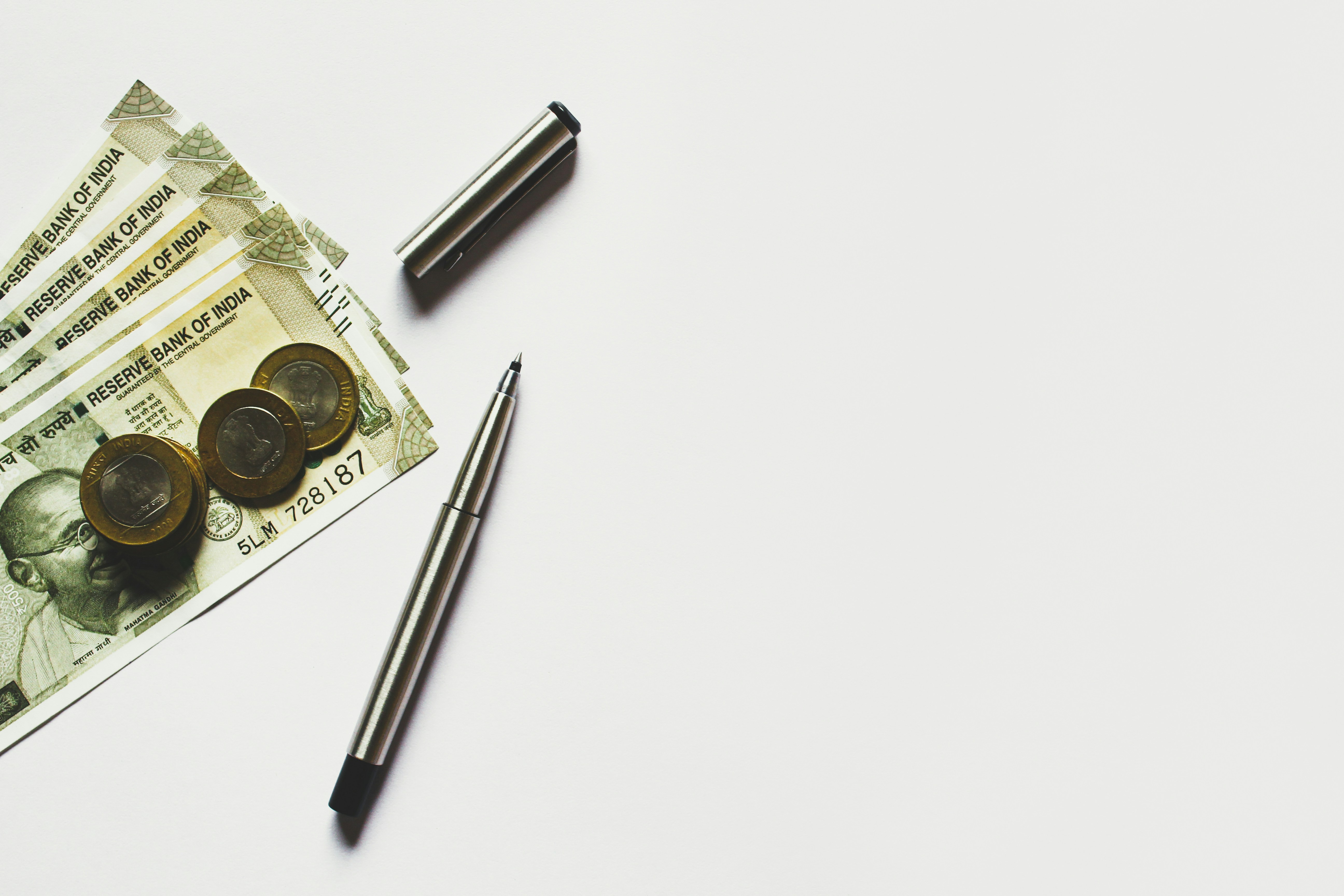
La plus grande idee recue sur le voyage est qu’il est cher. Il peut l’etre, mais il n’a pas a l’etre. La difference entre un voyage cher et un voyage abordable tient rarement a la destination — elle tient a la facon de planifier, de reserver et aux choix quotidiens une fois sur place. Un voyage a Paris peut couter 500 ou 5 000 euros. La difference est dans la strategie, pas dans le sacrifice.
Le voyage economique ne consiste pas a se priver. Il consiste a depenser intentionnellement pour ce qui compte pour vous et a couper radicalement dans ce qui ne compte pas. Voici comment faire, de facon systematique.
Vols : le plus grand levier
Les vols sont generalement la plus grande depense d’un voyage et le domaine ou la planification strategique produit les plus grandes economies. Soyez flexible sur les dates — un vol le mardi ou le mercredi est souvent 20 a 40% moins cher que le meme trajet le vendredi ou le dimanche. Soyez flexible sur les aeroports — atterrir dans un aeroport secondaire peut vous faire economiser des centaines d’euros. Reservez au bon moment — la fenetre ideale est de 2 a 6 mois a l’avance pour les vols internationaux. Utilisez des alertes de prix sur Google Flights. Voyagez avec un bagage a main uniquement.
Hebergement : le confort sans le cout
Appartements plutot qu’hotels pour les longs sejours. L’emplacement compte plus que le luxe. Reservez des hebergements avec petit-dejeuner inclus. Voyagez en saison intermediaire — les semaines juste avant et apres la haute saison offrent la meme meteo avec des prix considerablement plus bas et moins de foules.
Nourriture : bien manger pour moins cher
Le dejeuner est le repas de valeur — de nombreux restaurants proposent des menus dejeuner a 30-50% de moins que le diner pour une cuisine similaire ou identique. Faites vos courses aux marches. Mangez la ou mangent les habitants — les restaurants dans les zones touristiques facturent un supplement de commodite. Evitez les minibars et les petits-dejeuners d’hotel (sauf s’ils sont inclus).
Activites : le meilleur est souvent gratuit
La marche est gratuite et constitue le meilleur moyen de voir une ville. Les musees ont des jours de gratuite. La nature est toujours gratuite — parcs, plages, sentiers de randonnee et jardins publics ne coutent rien et offrent souvent les experiences les plus memorables d’un voyage.
La psychologie du voyage economique
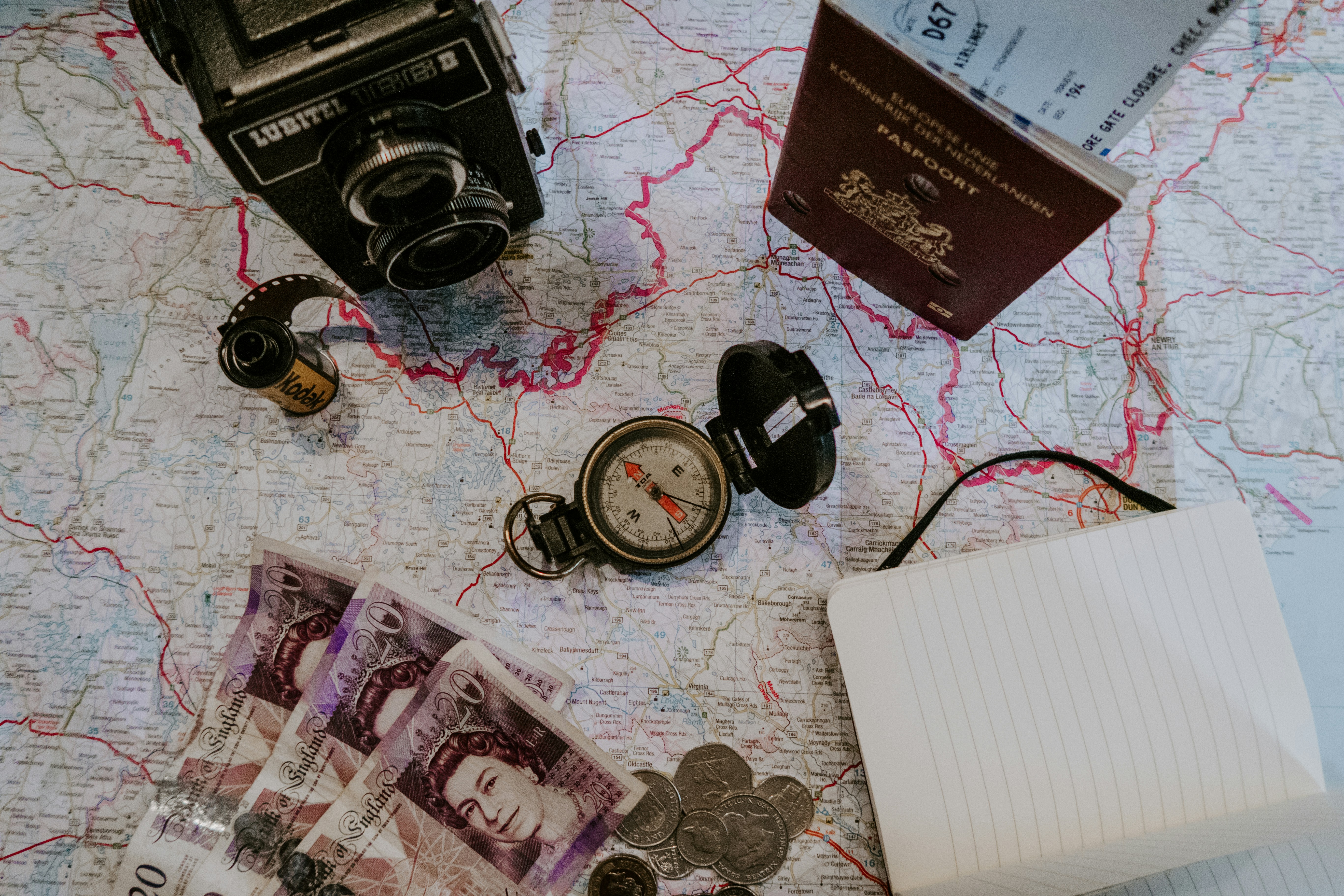
L’objectif n’est pas de depenser le moins possible — c’est de depenser intentionnellement. Identifiez ce que vous valorisez vraiment dans un voyage et allouez votre budget en consequence. Si la nourriture est le but de votre voyage, depensez pour les restaurants et economisez sur l’hebergement. Si un lit confortable est non negociable, depensez pour l’hebergement et economisez sur les activites. Il n’y a pas de superiorite morale a depenser moins — il y a seulement la liberte qui vient de savoir que votre argent va vers ce qui compte vraiment pour vous.
Economiser sur les transports locaux
Une fois a destination, les transports peuvent rapidement devenir l’un des plus gros postes de depense. Prenez les transports en commun au lieu des taxis ou des VTC. Dans de nombreuses villes, un pass de transport de plusieurs jours est rentabilise en quelques trajets. Marchez autant que possible — c’est gratuit et c’est la meilleure facon de decouvrir une ville. Pour les longues distances, les bus sont presque toujours moins chers que les trains, bien que plus lents. Si vous devez louer une voiture, reservez longtemps a l’avance et comparez les prix sur des sites agregateurs.
La technologie qui fait economiser
Utilisez des applications de cashback et de comparaison de prix pour les reservations. Installez des applications de transport local pour les tarifs les moins chers. Activez les alertes de prix sur les hebergements et les vols. Utilisez des applications de repas a prix reduit comme Too Good To Go pour de la nourriture de restau
L’etat d’esprit du voyage economique
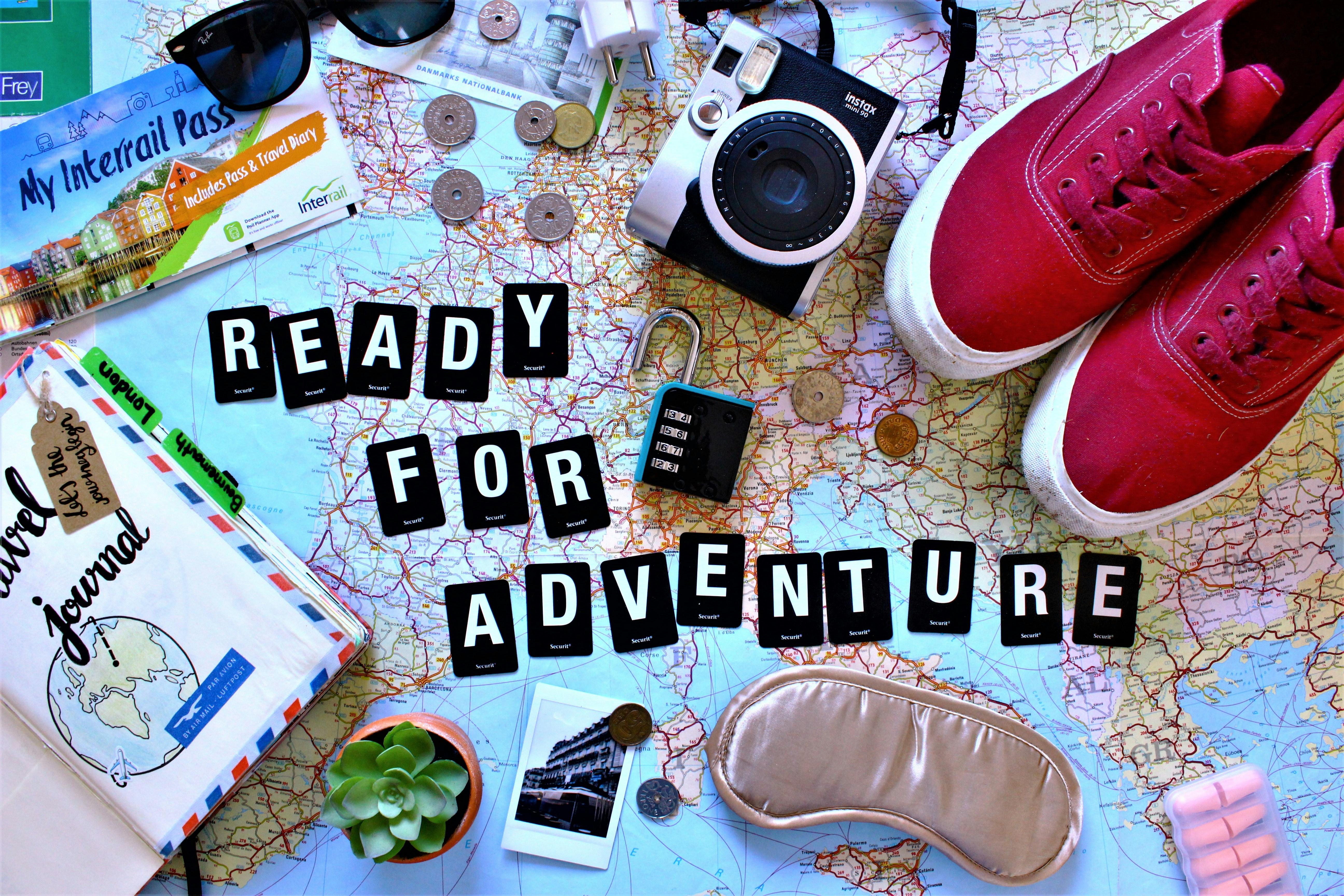
Le voyage economique est une competence qui s’ameliore avec la pratique. Chaque voyage vous en apprend davantage sur vos priorites et sur les domaines ou vous pouvez reduire sans sacrifier l’experience. La meilleure facon de commencer est de suivre vos depenses pendant un voyage — vous serez surpris de voir ou va reellement votre argent. Utilisez ces donnees pour ajuster votre approche au prochain voyage. Avec le temps, vous developperez une intuition pour reperer les bonnes affaires et eviter les pieges a touristes, rendant chaque voyage plus abordable que le precedent sans jamais avoir l’impression de vous priver.