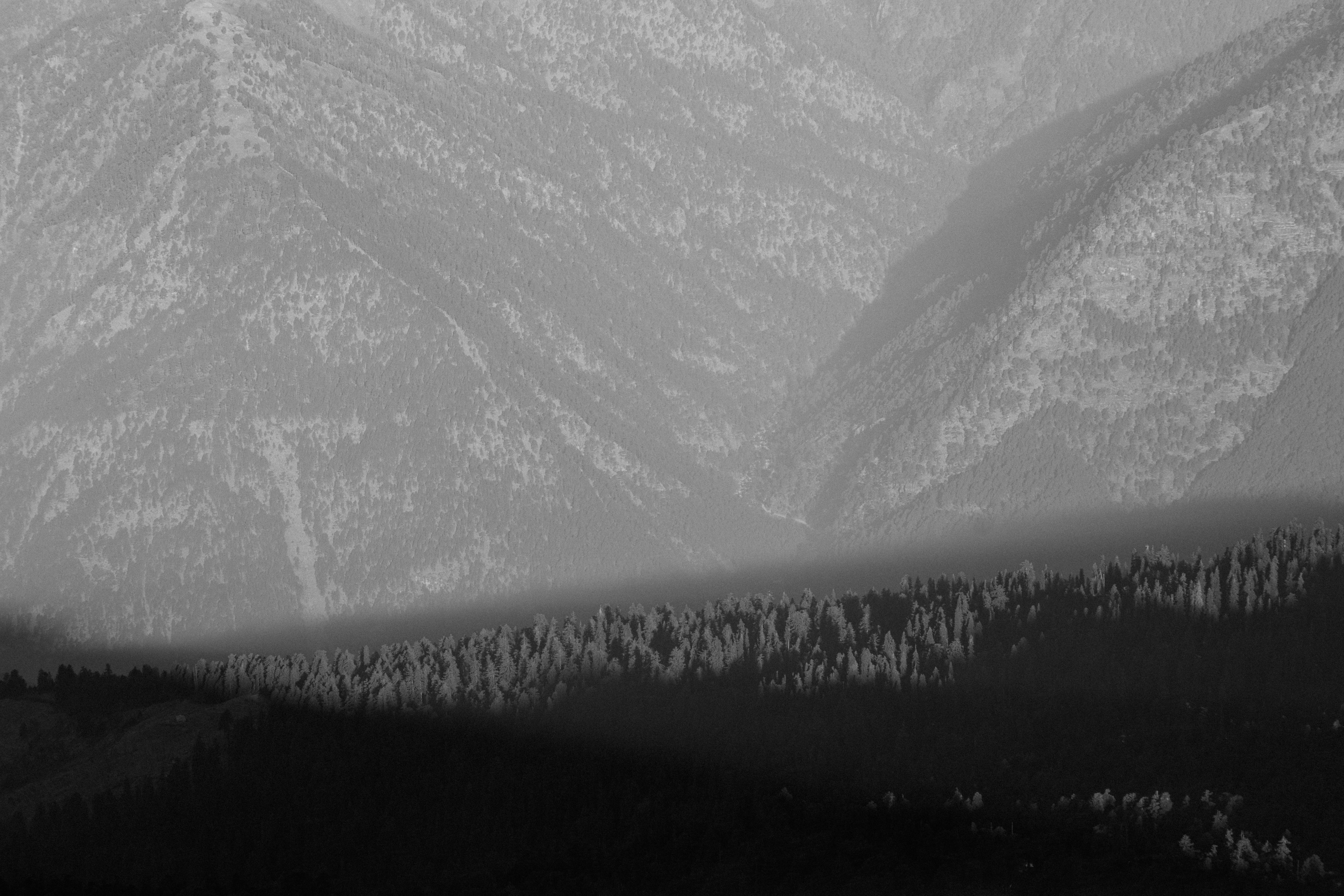
La randonnee est l’une des formes de voyage les plus accessibles — elle necessite un equipement minimal, peut etre pratiquee presque partout, et vous recompense avec des paysages et des perspectives inaccessibles par tout autre moyen. Une bonne randonnee change votre relation avec un lieu. Vous ne vous contentez pas de voir les montagnes ; vous marchez a travers elles, transpirez sur elles et gagnez la vue depuis leurs sommets.
Voici les meilleures destinations de randonnee au monde, organisees par l’experience et la condition physique qu’elles exigent.
Debutant : randonnees a la journee accessibles
Cinque Terre, Italie : Le Sentiero Azzurro relie les cinq villages des Cinque Terre le long de la cote ligure. Le sentier est bien entretenu, clairement balise et offre des vues spectaculaires sur les vignobles en terrasses, les villages colores et la Mediterranee a chaque tournant.
Queenstown, Nouvelle-Zelande : L’ile du Sud de la Nouvelle-Zelande est un paradis pour les randonneurs, et les sentiers autour de Queenstown sont parmi les plus accessibles. Le Ben Lomond Track offre des vues panoramiques sur le lac Wakatipu et la chaine des Remarkables.
Lacs de Plitvice, Croatie : Des passerelles en bois serpentent a travers une serie de seize lacs et cascades interconnectes. Les sentiers sont plats et bien entretenus. L’eau est d’une nuance de turquoise presque incroyable.
Intermediaire : randonnees d’une journee complete et avec nuit en refuge
Tour du Mont Blanc (sections), France/Italie/Suisse : Le tour complet fait 170 km et prend 7 a 11 jours. Mais des sections individuelles peuvent etre parcourues en tant que randonnees d’une journee au depart des refuges de montagne le long du parcours.
Chemin de l’Inca, Perou : Le trek classique de 4 jours et 3 nuits jusqu’au Machu Picchu est l’une des randonnees iconiques du monde. Les permis sont strictement limites et se reservent des mois a l’avance.
West Highland Way, Ecosse : Un parcours de 154 km de Milngavie (pres de Glasgow) a Fort William dans les Highlands ecossaises. Le sentier prend 5 a 8 jours et traverse certains des paysages les plus spectaculaires d’Ecosse.
Avance : treks de plusieurs jours et itineraires eloignes
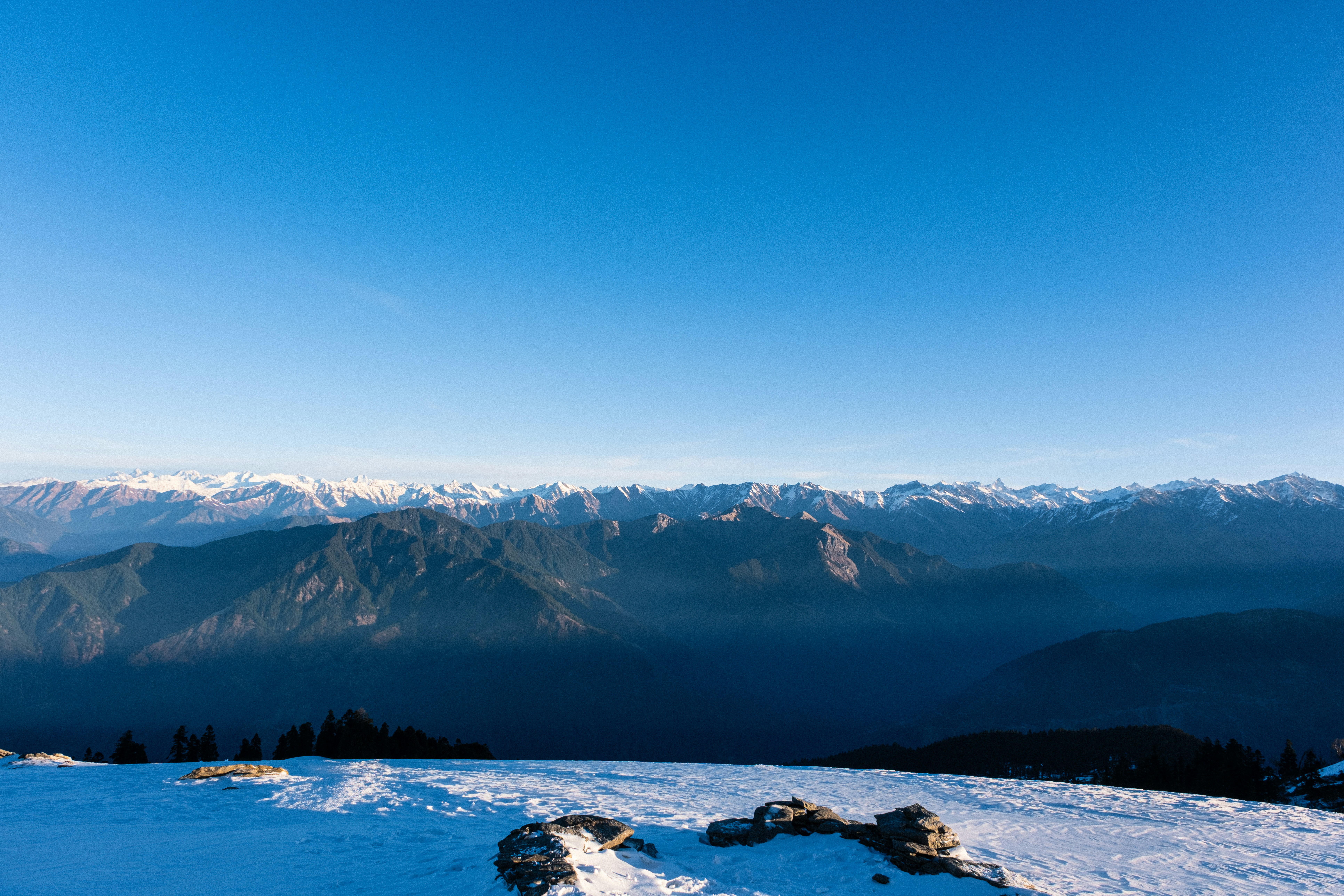
Torres del Paine, Chili : Le circuit O dans le parc national Torres del Paine en Patagonie prend 8 a 10 jours. Les paysages sont d’un autre monde : lacs turquoise, glaciers, tours de granit et des vents assez forts pour vous renverser.
Camp de base de l’Everest, Nepal : Le trek de 14 jours jusqu’au camp de base de l’Everest (5 364 m) est moins technique qu’il n’y parait, mais l’altitude le rend veritablement exigeant. Le sentier traverse des villages sherpas, des monasteres bouddhistes et certains des paysages de montagne les plus spectaculaires de la Terre.
La Haute Route, France/Suisse : La Haute Route de Chamonix a Zermatt est l’un des grands treks de montagne du monde : 180 km sur 12 a 14 jours, traversant onze cols de montagne au-dessus de 2 900 m.
Equipement essentiel pour toute randonnee
Quel que soit le niveau de difficulte, chaque randonnee necessite : des chaussures de randonnee solides et rodees, une quantite d’eau adequate (au moins 1 litre pour 2 heures de marche), un moyen de navigation (telephone avec carte hors ligne et une batterie externe de secours), une protection contre la pluie, une protection solaire, une trousse de premiers soins et plus
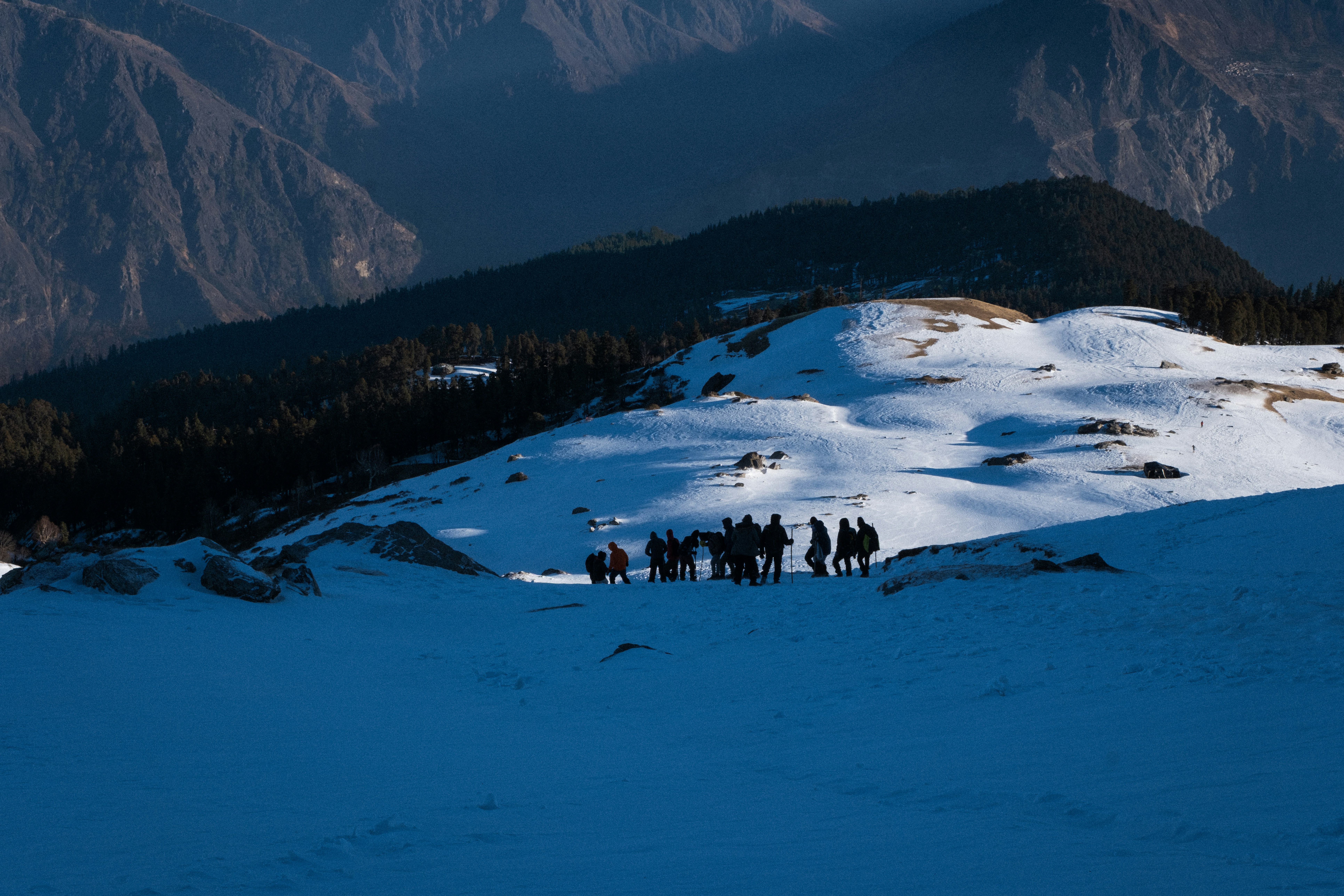
Equipement essentiel pour toute randonnee
Quel que soit le niveau de difficulte, chaque randonnee necessite un equipement de base. Des chaussures de randonnee solides et rodees — ne partez jamais en randonnee avec des chaussures neuves. De l’eau en quantite adequate — au moins 1 litre pour 2 heures de marche. Un moyen de navigation — telephone avec carte hors ligne et une batterie externe de secours. Une protection contre la pluie, quelle que soit la meteo prevue. Une protection solaire — chapeau, lunettes de soleil, creme solaire. Une trousse de premiers soins avec des pansements pour ampoules. Et plus de nourriture que vous ne pensez en avoir besoin — les randonneurs sous-estiment chroniquement leurs besoins caloriques. Les erreurs de randonnee les plus courantes sont la deshydratation, des chaussures inadequates et la sous-estimation de la rapidite avec laquelle la meteo en montagne peut changer.